Brandon Owens is founder of AIxEnergy. Morgan Bazilian is director of the Payne Institute for Public Policy at the Colorado School of Mines.
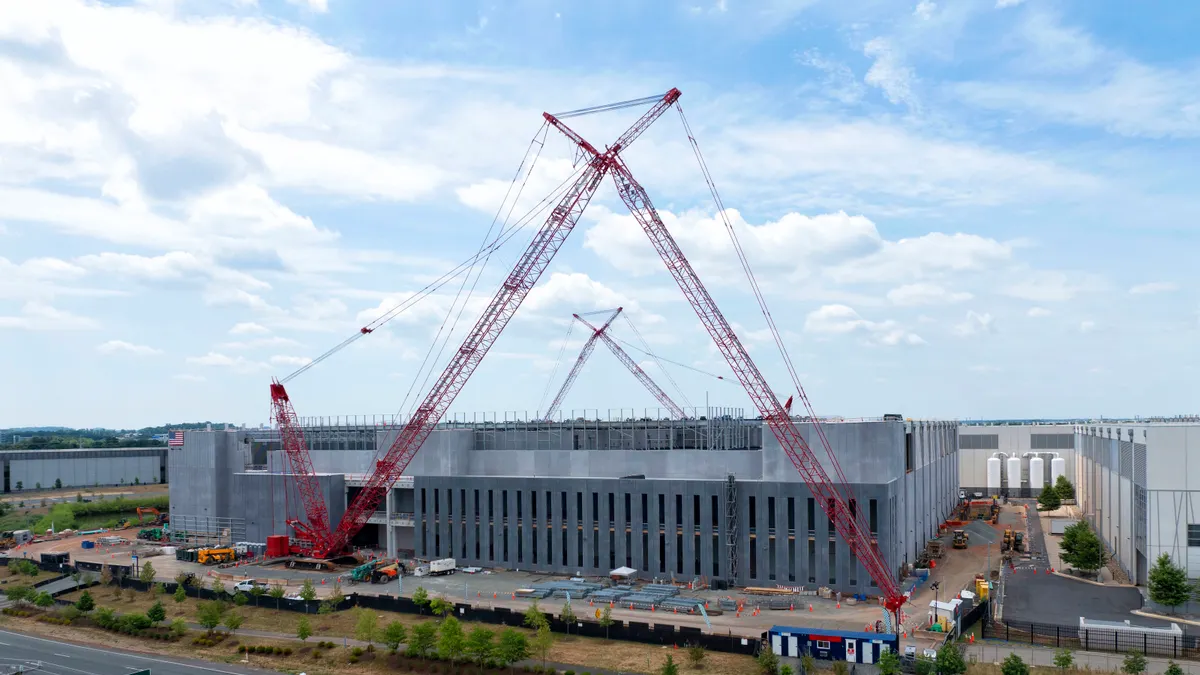
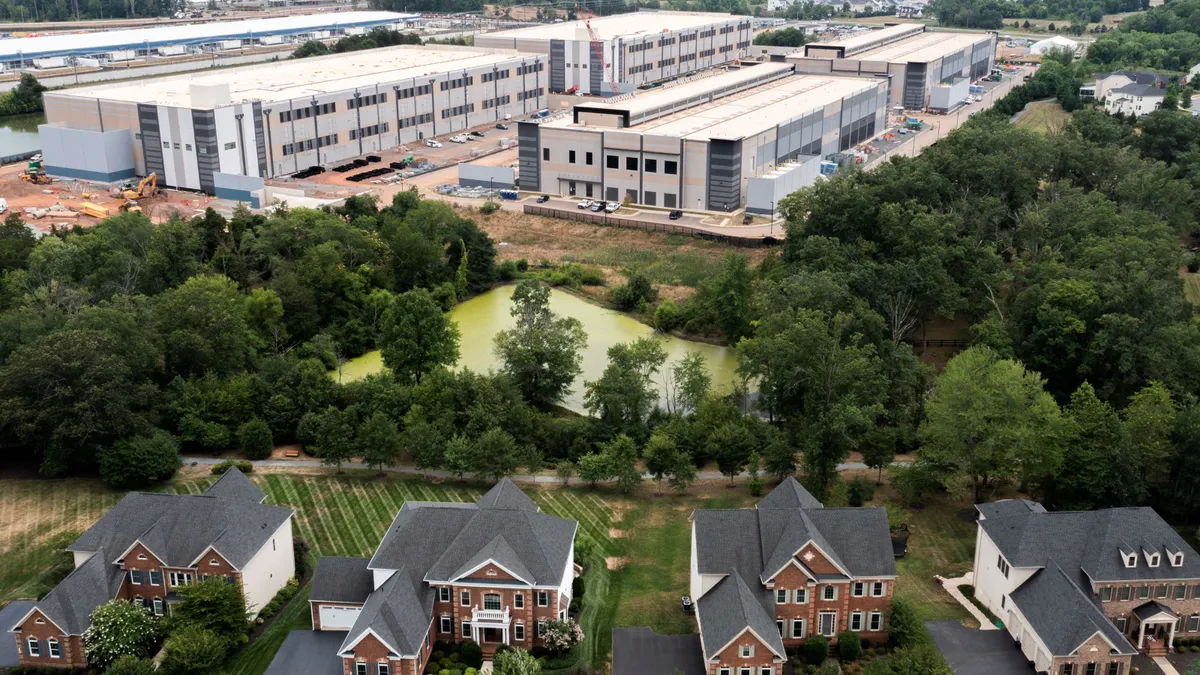
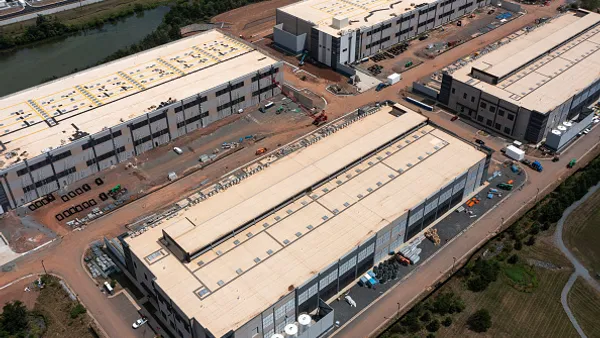
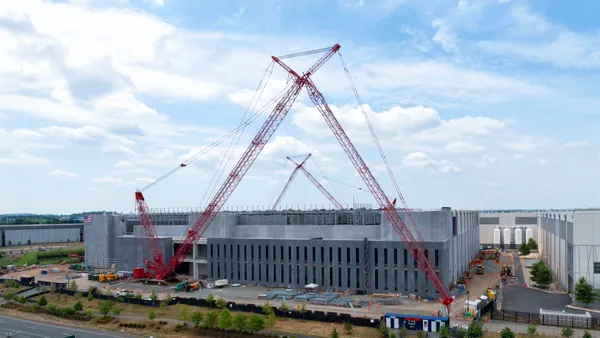
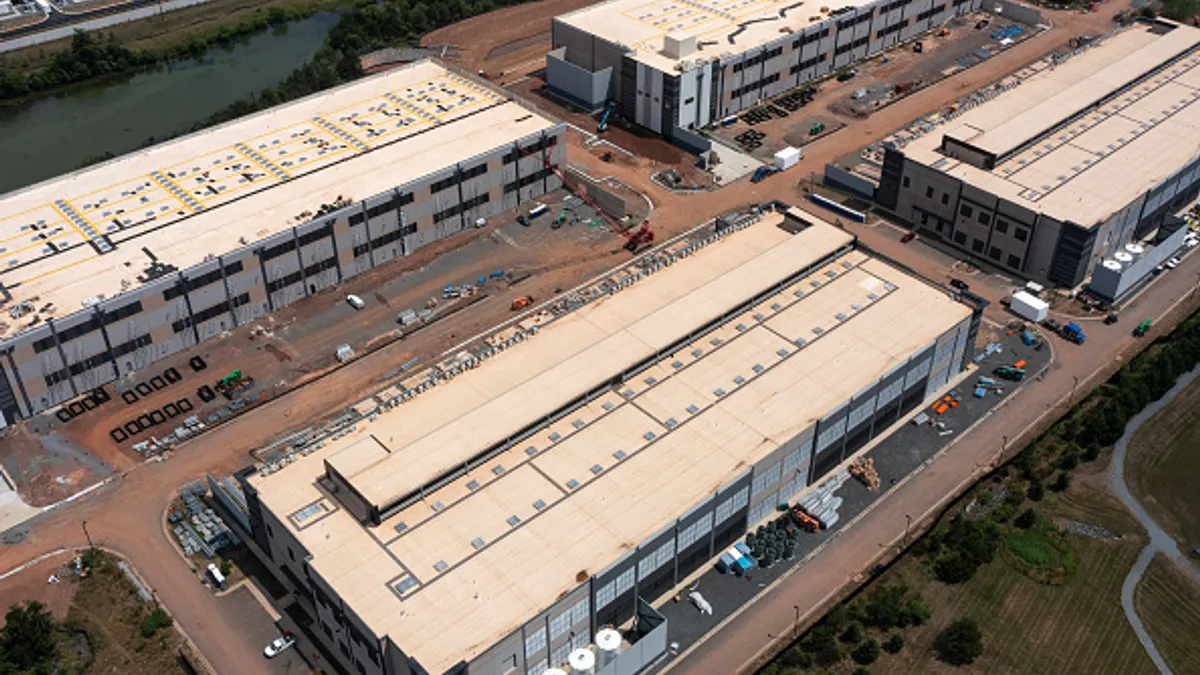
The fastest-growing source of electricity demand in the United States is no longer factories or homes. It is data centers — especially those supporting artificial intelligence workloads. And increasingly, many of those data centers are choosing not to rely on the electric grid at all.
Faced with years-long interconnection delays, constrained transmission capacity, and uncertainty about delivery timelines, some large data center developers are turning to on-site power generation fueled by natural gas. What began as a practical response to congestion is now becoming a structural shift in how major loads are served — and it carries significant implications for utilities, regulators, and ratepayers.
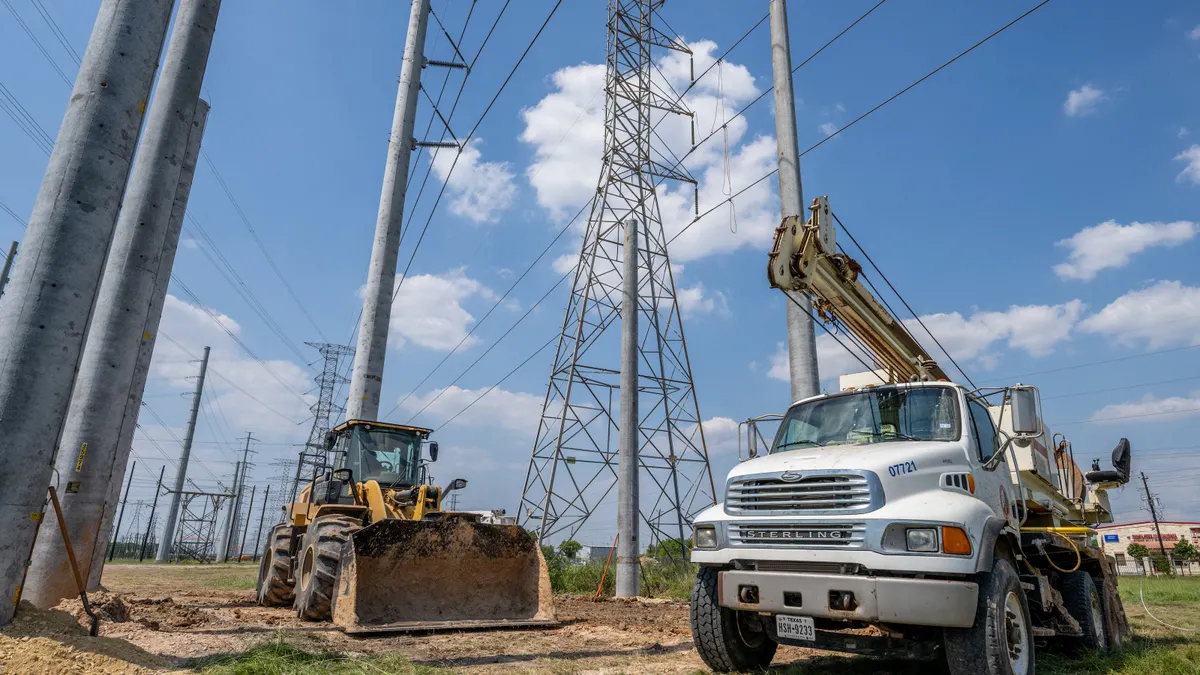
For decades, the grid has operated on a shared-cost model. Utilities make long-lived investments in generation, transmission, and distribution, and those fixed costs are recovered across a broad customer base. Large industrial and commercial customers have always played an important role in that system, contributing materially to load growth and cost recovery.
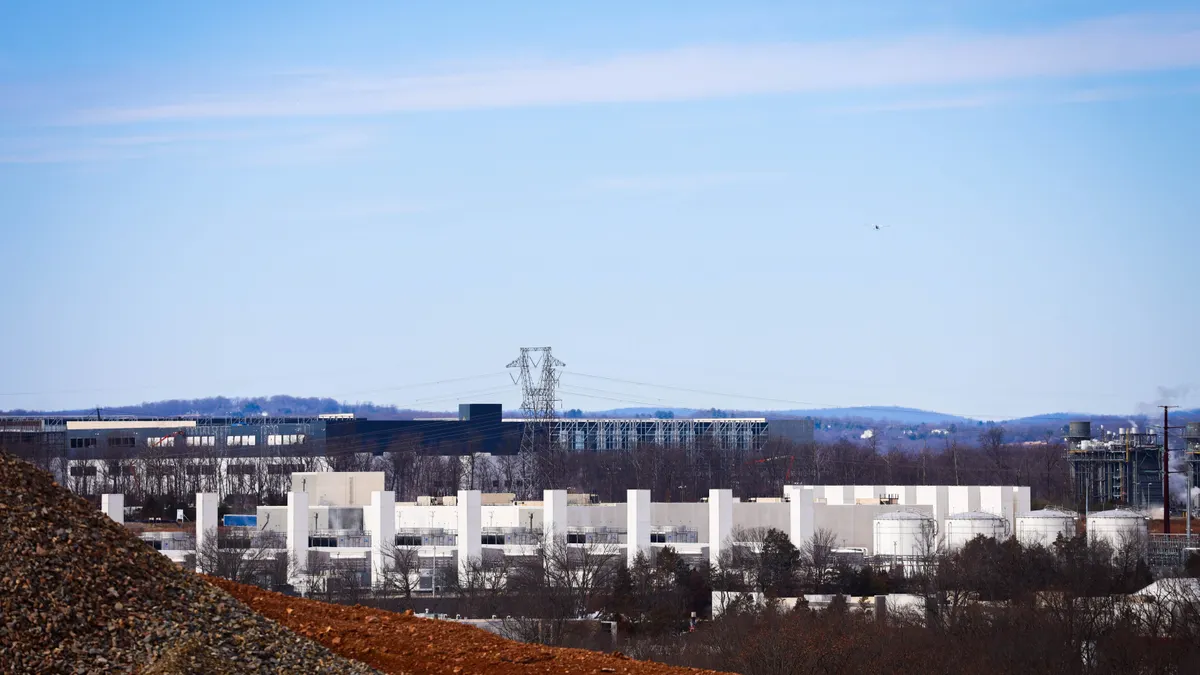
But as AI-driven demand accelerates, power strategy is being embedded directly into data center siting and design. Some projects rely on behind-the-meter gas plants. Others pursue direct connections to private gas infrastructure or deploy generators initially permitted as temporary or emergency assets that ultimately operate as long-term supply. Industry disclosures suggest that by the end of the decade, a meaningful share of new data center capacity could be partially or fully self-supplied.
From a utility perspective, this trend introduces several challenges.
First, it complicates cost allocation. When large, creditworthy customers reduce their reliance on grid-supplied power, the system’s fixed costs do not disappear. Transmission lines still need maintenance. Generation assets still require cost recovery. Resilience investments — storm hardening, wildfire mitigation, cybersecurity—must still be funded. If fewer customers are contributing to those shared costs, pressure on remaining ratepayers inevitably increases.
Second, it disrupts planning and forecasting. Utilities plan infrastructure decades in advance based on expected load growth and customer participation. Off-grid or partially grid-connected facilities reduce visibility into future demand and operational behavior. That uncertainty increases the risk of stranded assets or underutilized investments, while making it harder to justify new transmission or generation needed for broader system reliability.
Third, it raises regulatory and environmental questions. Many on-site generators serving data centers fall outside the traditional oversight applied to utility-scale resources. Assets permitted as emergency or temporary equipment may operate for extended hours, creating local air quality concerns and emissions profiles that are not always captured in system-wide planning. From a decarbonization standpoint, on-site gas generation can, in some cases, produce higher emissions per megawatt-hour than grid-supplied electricity, particularly as the grid continues to add renewables.
None of this implies that data centers should be prevented from pursuing reliability. The interconnection backlog is real. So are the economic stakes of delayed AI infrastructure. But taken together, these individual decisions amount to a quiet redesign of the power system — one occurring largely outside traditional planning and regulatory frameworks.
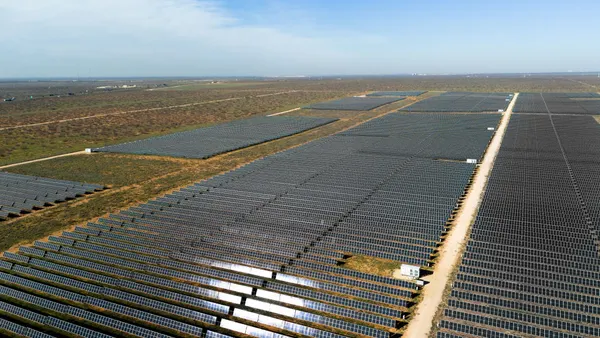
There are alternatives. Hybrid configurations that combine firm generation with storage, renewable energy, and transparent emissions controls can support reliability while limiting cost shifts. Interconnection reforms that are technology-neutral and performance-based could reduce incentives for full grid defection. Regulators also retain tools to ensure that large users benefiting from system-wide investments continue to contribute fairly to shared infrastructure.
The key issue is coordination. Data center self-supply decisions are often treated as isolated siting or permitting questions. In reality, they have system-level consequences for affordability, planning, and long-term grid viability. Utilities and regulators that fail to account for these dynamics risk managing the downstream effects rather than shaping outcomes proactively.
AI-driven load growth is not a temporary phenomenon. How it is integrated into the power system will influence not just emissions trajectories, but also rate stability, infrastructure utilization, and public confidence in the energy transition. For utilities, the challenge is no longer simply how to serve more load — but how to do so in a way that preserves the economics and integrity of the shared grid.