Dive Brief:
- There is sufficient energy efficiency and demand flexibility in the U.S. grid to affordably offset demand from AI data centers and other growing sources of load, according to a February analysis from the American Council for an Energy-Efficient Economy.
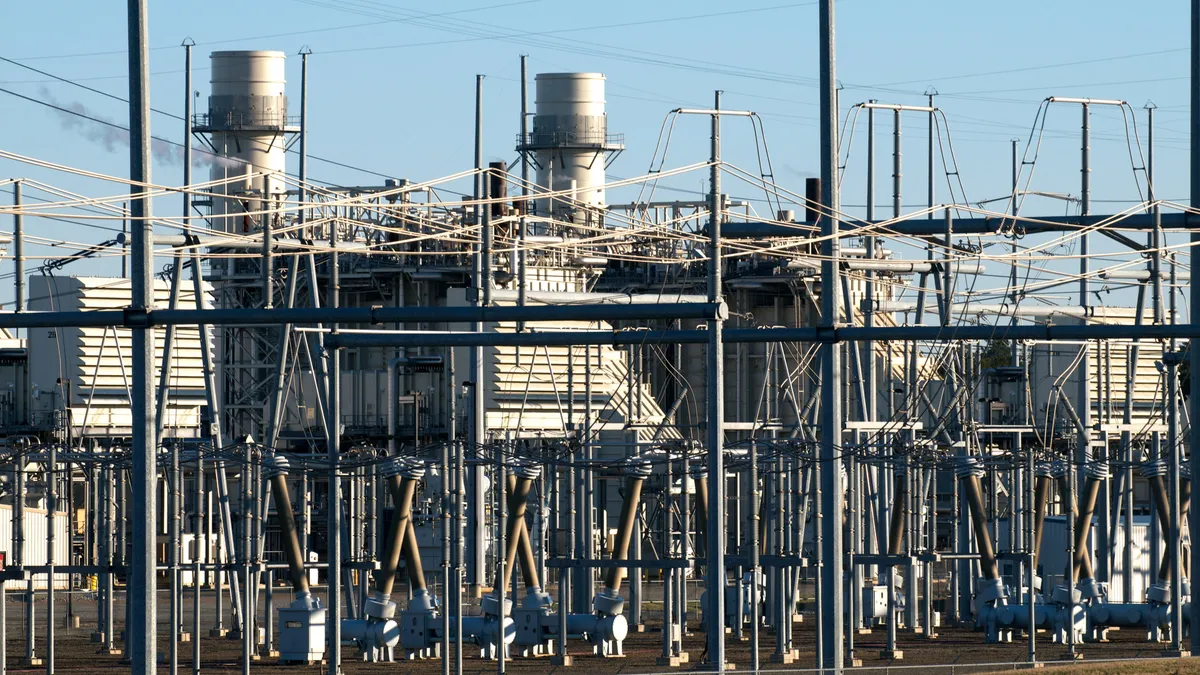
- The largest utility programs provide energy efficiency for a median cost of about $21/MWh, while new combined-cycle gas plants have a levelized cost of energy ranging from $45-$108/MWh, ACEEE said. And only about 6% of U.S. energy consumers participated in a retail demand response program in 2024, “demonstrating the massive opportunity to expand the resource,” according to the report
- ACEEE’s Feb. 4 report recommended lawmakers consider mandating performance incentive mechanisms that encourage utilities to adopt demand side management approaches, while regulators should set load flexibility goals and require utility market studies that consider DSM potential.
Dive Insight:
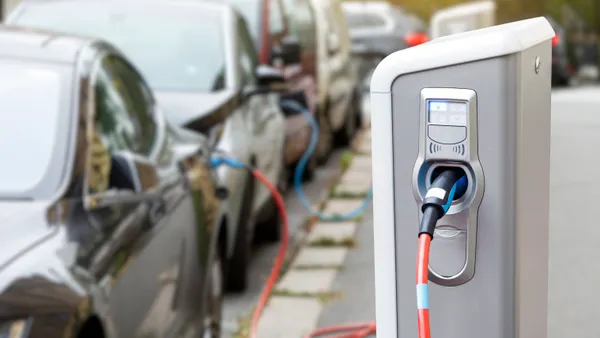
By 2040, energy efficiency improvements could reduce U.S. energy demand by about 70 GW, according to ACEEE’s report. And deploying load shifting flexibility over the next decade, including for electric vehicle charging or water heating, could reduce peak demand by 60-200 GW, “an amount up to double the most aggressive projections of total U.S. data center capacity by 2030.”
Energy efficiency and demand flexibility programs can both be scaled up within months when they receive strong policy and financial support, ACEEE said. “In contrast, new gas plants and grid upgrades currently take five years or more because of permitting, equipment backlogs, and interconnection delays.”
Data center developers are looking to bring projects on as quickly as possible. Computing facilities representing about 30% of all planned U.S. data center capacity plan to power their operations with behind-the-meter resources, according to energy research firm Cleanview.
While on-site solar-plus-storage projects can be built within two years, interconnection delays can add an additional five or more years, analysts at BofA Securities said last week. Behind-the-meter gas-fired solutions, despite higher costs, can offer faster deployment timelines, while batteries can sit between the data center and grid, smoothing demand.
But demand-side measures are faster and cheaper to deploy than new generation, Mike Specian, utility research manager at ACEEE and lead author of the report, said in a statement. “The first-line approach should be tapping into our massive reserve of energy efficiency and load flexibility, not spending billions on new power plants.”
ACEEE’s report recommends:
- Utilities develop procedures for large load customers to bring their own demand-side management capacity;
- Regulators require utilities to consider both supply- and demand-side resources in an integrated fashion before approving investments to meet load growth;
- Lawmakers introduce or strengthen state energy efficiency resource standards and decouple utility profits from revenues to eliminate incentives to maximize sales; and,
- Regulators should require utilities to share data necessary for third-party aggregators to propose optimized DSM solutions and require utilities to evaluate virtual power plants as part of their resource planning.
“Our power system needs to meet rapidly growing electric demand while ensuring reliability and affordability,” Specian said. Efficiency resources and demand flexibility “can be targeted to specific locations to defer or avoid the need to build new infrastructure, saving families and businesses money in the process.”