
A new report from the U.S. Environmental Protection Agency’s Office of the Inspector General found the EPA conducted a rigorous and proper process to award approximately $1.5 billion in environmental grants for disadvantaged communities that were canceled by the Trump administration.
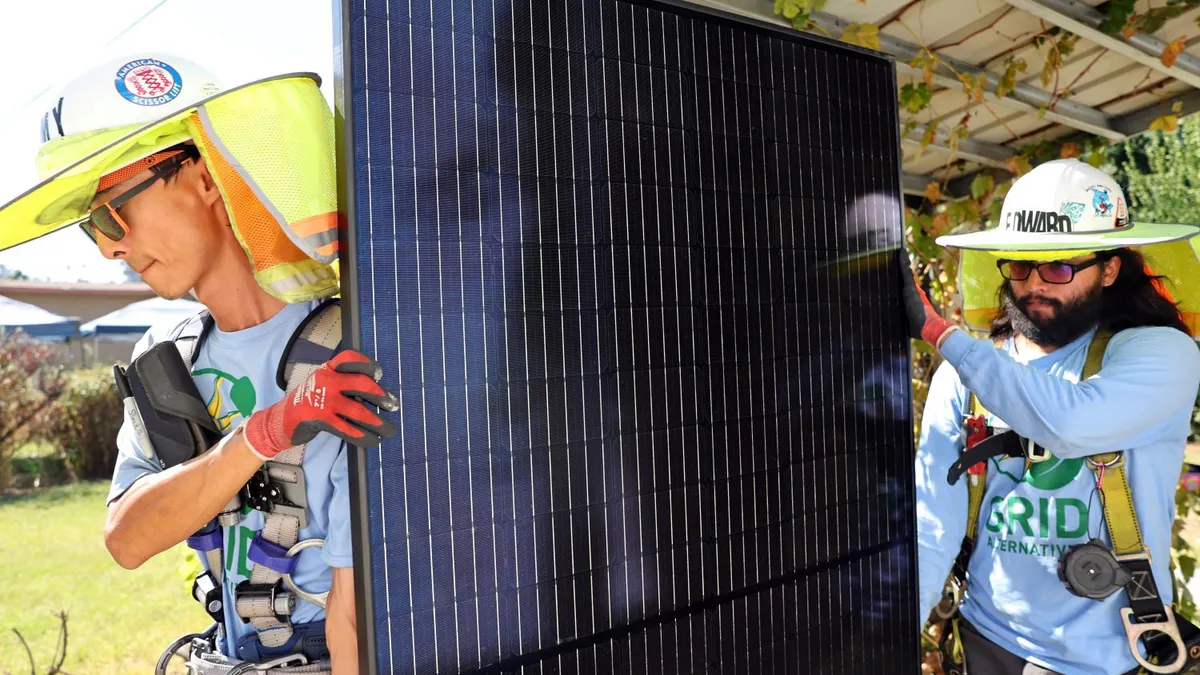
Among the 80 impacted awardees were dozens of energy projects, including energy efficient housing retrofits and weatherization, solar, storage, microgrid and workforce development programs.
The Community Change Grant Program was funded with $2 billion allocated by the Inflation Reduction Act of 2022. The EPA issued notices terminating the grants last May, and in July, the One Big Beautiful Bill Act rescinded the program’s unobligated funds.
Supporters of the program said the report was further evidence officials acted unlawfully to halt the funds.
“The Inspector General has confirmed there was no ‘fraud’ or ‘waste’ – the only things being wasted are time and human lives," Jillian Blanchard, senior vice president of climate change and environmental justice at the advocacy group Lawyers for Good Government, said in a statement.
“The EPA cannot claim to champion efficiency and accountability while unlawfully terminating grants that would provide clean water and air for the very people it is charged by Congress to protect,” she said.
In a statement, the EPA defended its "commitment to being a good steward of taxpayer dollars." It also recounted efforts to rescind the funding and criticized the previous administration’s focus on environmental justice, but did not push back on the findings of the report itself.
The Office of the Inspector General operates independently from EPA.
Among the organizations impacted was the Lucky Shoals Community Association in Gwinnett County, Georgia, which had been awarded nearly $20 million for a community resilience hub and lead pipe replacement.
Georgia State Rep. Marvin Lim, CEO and founder of the nonprofit association, lamented the sudden cancellation in an article in the Atlanta Journal-Constitution last year. He said the resilience hub was going to do work that united the community by creating local construction jobs, making repairs to blighted commercial and residential buildings, preserving greenspace and improving air quality.
“Would you be OK if you had a contract to do honest work and were suddenly terminated, without any accusation of poor performance, and without any attempt even to try to work it out with you, somehow?” he wrote. “We have got other grants, other funding. But to think of the thousands of hours of work in preparation, and then finally getting a win for a community that really needs it, only for it to be taken away, for reasons that misunderstand your work, that is sad.”
Legal organizations continue to advocate for a variety of grant awardees that lost funding due to the Trump administration's widespread crackdown on programs addressing environmental justice and climate change. In August, a federal judge ruled that disputes over contracts with the federal government must be heard by the U.S. Court of Federal Claims, blocking an attempt to reverse the Trump administration's termination of the grants en masse.
Lawyers for Good Government says its Court of Federal Claims Clinic has connected more than 50 organizations that had their grants terminated with legal assistance.
Meris Lutz, a senior editor at Utility Dive, contributed to this story.