Karen Harbert is the president and CEO of the American Gas Association.
Affordability is more than a buzzword. As our economy grows and changes, consumers are feeling the pinch.
Maintaining affordability for American families and businesses should be at the top of the priority list for lawmakers, regulators and utilities alike, especially as we invest in new and better infrastructure to meet the needs of reshoring manufacturing and the emergence of artificial intelligence.
Our energy system and its ability to meet rising demand while containing costs is the linchpin to protecting the livelihoods of American families and businesses. Our industry makes up just 5% of the U.S. economy, but it is the foundation that the other 95% of the economy relies upon. More affordable energy means lower bills for families and businesses, more affordable consumer products and a more robust economy.
Natural gas utilities are working every day to meet the growing needs of our customers and leading the energy sector in delivering reliable, cost effective fuel to data centers and new manufacturing facilities being built today. Since 2006, U.S. natural gas demand has grown nearly 50%, and thanks to the shale revolution, prices are well below where we were in 2006. With more than 100 years of abundant domestic supply, the natural gas industry is poised to sustain continued growth while containing costs, maintaining reliability and reducing emissions.
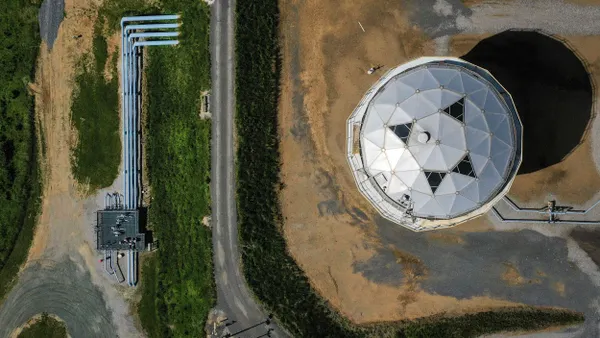
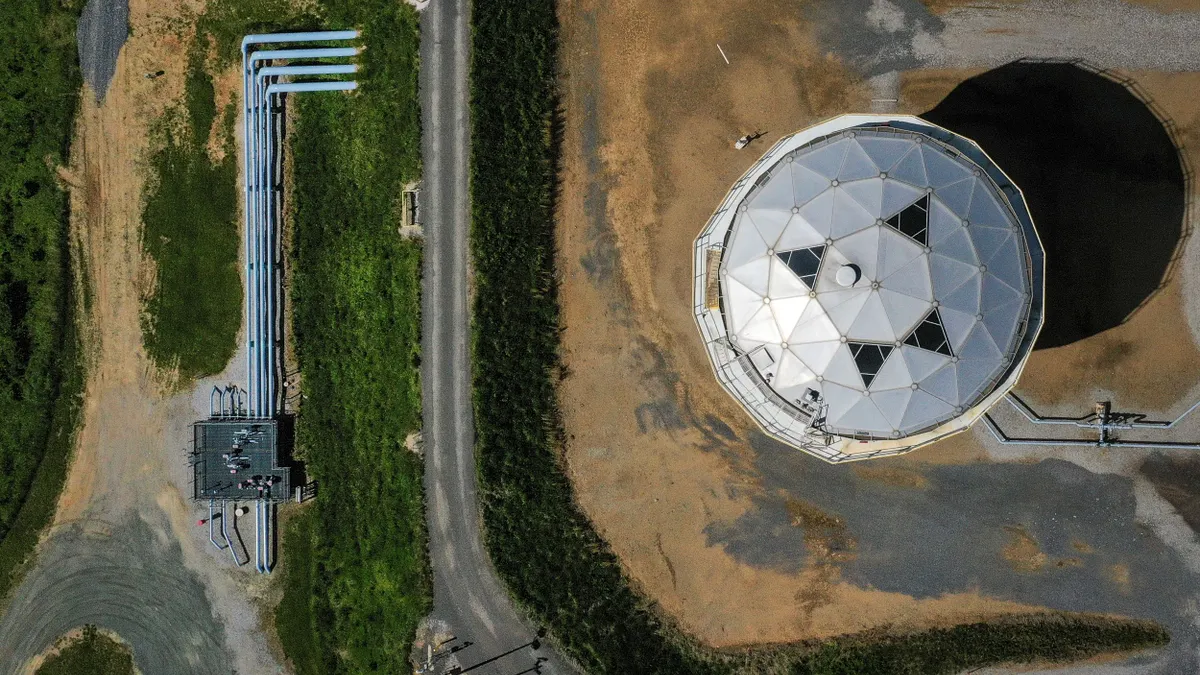
The key to continuing to unlock the opportunities of a stronger economy while protecting the pocketbooks of American families and businesses lies in our ability to scale quickly to meet rising energy demand. While natural gas utilities added 20,000 miles of new distribution lines to serve one new customer every minute of every day in 2025, federal and state policies remain among the biggest barriers to construction of natural gas infrastructure including pipelines and storage facilities. They also impose some of the largest costs and biggest barriers to building out essential infrastructure.
If we hope to meet the needs of our future economy while preserving affordability and reliability for American families and businesses, state and federal regulators must make full use of all the tools at their disposal to enable efficient permitting of new energy infrastructure while ensuring that the cost of expansion does not harm hard working American families.
The question is not just how to protect existing customers from cost increases, but how to make sure residential customers benefit from this energy buildout.
The National Association of Regulatory Utility Commissioners is already sketching out what a better permitting system should look like. Its recent resolutions urge Congress and state legislatures to modernize permitting for interstate natural gas pipelines and other energy infrastructure by creating a clearer, more efficient and more predictable review process. They call for timely and coordinated decisions across agencies; durable approvals that are not overturned after the fact or subjected to endless and frivolous lawsuits; and a focus on reliability, affordability and fair cost allocation for customers.
In short, regulators are asking policymakers to keep environmental reviews rigorous while cutting needless delay so utilities can build the pipelines and wires needed for new large customers without exposing families and small businesses to higher costs or reliability risks.
As new large commercial and industrial customers decide where to locate, public utility commissions act as a safeguard for the people who already live and work there. Before a shovel goes into the ground for new infrastructure, regulators review and approve the rates that will govern service to these customers. Those tariffs assign the cost of new pipelines, compressors or other upgrades to the customer creating the demand, with protections if the projected demand decreases or doesn’t materialize.
That means the community can welcome new investment, tax base and jobs without worrying that families will be left paying for unused assets years later. Smart ratemaking ensures growth happens while putting customers and families first.
Ultimately, higher demand can improve the economics of the energy system when new users are brought on with the necessary planning. Existing commercial customers will benefit from new and upgraded infrastructure, more pathways for supply and the ability to tap into that infrastructure in the future, while the new revenue will help keep costs low for existing customers.
Large commercial or industrial customers can be anchor customers that make it feasible to extend or enhance a main line into a growing area. Once that line is in place, smaller businesses and nearby neighborhoods can also affordably connect and benefit from access to natural gas.
When combined with strong oversight from state regulators, that model turns growth into an opportunity to enhance affordability, reliability and access for everyone on the system.
Our current broken permitting system can add as many as 10 years to energy project timelines. A burdensome review process increases timelines and costs, while frivolous lawsuits add uncertainty for investors and can delay projects indefinitely or even remove completed infrastructure from service.
The Mountain Valley pipeline, a vital energy link to supply gas from West Virginia to the East Coast, took almost a decade and an act of Congress to build. This is not what a functional permitting system looks like. Multiplying this dysfunction out across energy infrastructure essential for factories and data centers and all the other components of America’s economy is perhaps the greatest threat to our nation today.
From state regulators to federal legislators, it is imperative that our governing bodies act quickly to untie the hands of the energy industry and allow America to build. Together, we can provide a brighter future for American families, lower costs for American households and build the economy of the future, today.