Daniel Domingues is the founder and CEO of Planno.
Solar adoption in the U.S. has become the fastest-growing source of power in the country. In 2024, 84% of all new electricity generation capacity added to the grid came from solar and storage, with the number of solar installations surpassing five million.
However, this momentum is expected to slow down under the current administration’s executive order and funding cuts, which limit federal solar tax credits and set ambitious deadlines for eligibility. Still, many states are choosing to expand grants and rebates, and streamline permitting, showing that regional leadership can still guide renewable growth.
It’s become a push-and-pull best described as one step forward and two steps back. But if you take a closer look, many of the existing incentives and policies that ignited the initial “boom” were already misdirected. Research shows that most solar installations are concentrated in wealthier communities, while low-income households, those who would stand to benefit the most, remain largely excluded.
Globally, countries like China and Brazil have shown that solar can do more than decarbonize; it can also help alleviate poverty. In the U.S., there is a real opportunity to do the same, even in the midst of federal pullbacks on funding that was dedicated to addressing this exact issue.
We know capital alone won’t solve the problem. To expand solar equitably, agencies need to coordinate policies that remove barriers, empower local leadership, and innovative tools that support developments that can be shared equally.
With a narrow window of opportunity to change how solar is installed across the country in 2026, let's take a closer look at the story.
From a commercial perspective, solar developers need to target residential demographics with an interest in renewable energy and the capital to invest in solar rooftop installations. Rooftop solar panels and installation have a median cost of around $30,000 before government incentives, pricing many households out of the equation.
In short, current deployment models overlook high-potential, underserved communities.
A study from Cornell University supports this, with data showing that rooftop solar installations are concentrated in particular regions, such as California, and demographics, such as high-income Asian neighborhoods. The researchers also found that lower-income neighborhoods have 14.7% higher carbon offset potential but 47% fewer installations.
The irony of the situation is that the households without solar rooftop installations are the ones who would benefit most from the resource.
According to the U.S. Department of Energy, low-income households spend an average of 8.6% of their income on energy costs, compared to around 3% for non-low-income households.
Switching to solar isn’t only about reducing our reliance on fossil fuels but tackling poverty from the ground up. Without rising costs of living and stagnant wages, solar energy offers a way for homes to cover their immediate electricity needs and reduce utility bills by selling power back to the grid for credits.
However, many households have insufficient cash resources to pay for the installation upfront. Other common barriers to entry for solar technology include a lack of financing due to poor or non-existent credit, inadequate installation conditions on the property, and limited access to reliable, trustworthy solar installers.
If we’re to address the unequal access to solar for the households who are most in need, these barriers to entry must be tackled across the U.S.
Flipping the scales with subsidies, policy and innovation
There are a handful of programs run through state governments that are designed to lower these barriers to entry for solar, in the form of tax credits and rebates.
An example is California, which offers a range of options that include no-cost rooftop solar installations or discounted offerings on energy usage. What’s unique about their Disadvantaged Communities - Single-family Solar Homes program is that it’s one of the few that covers full costs for qualifying owners, rather than just partial subsidies.
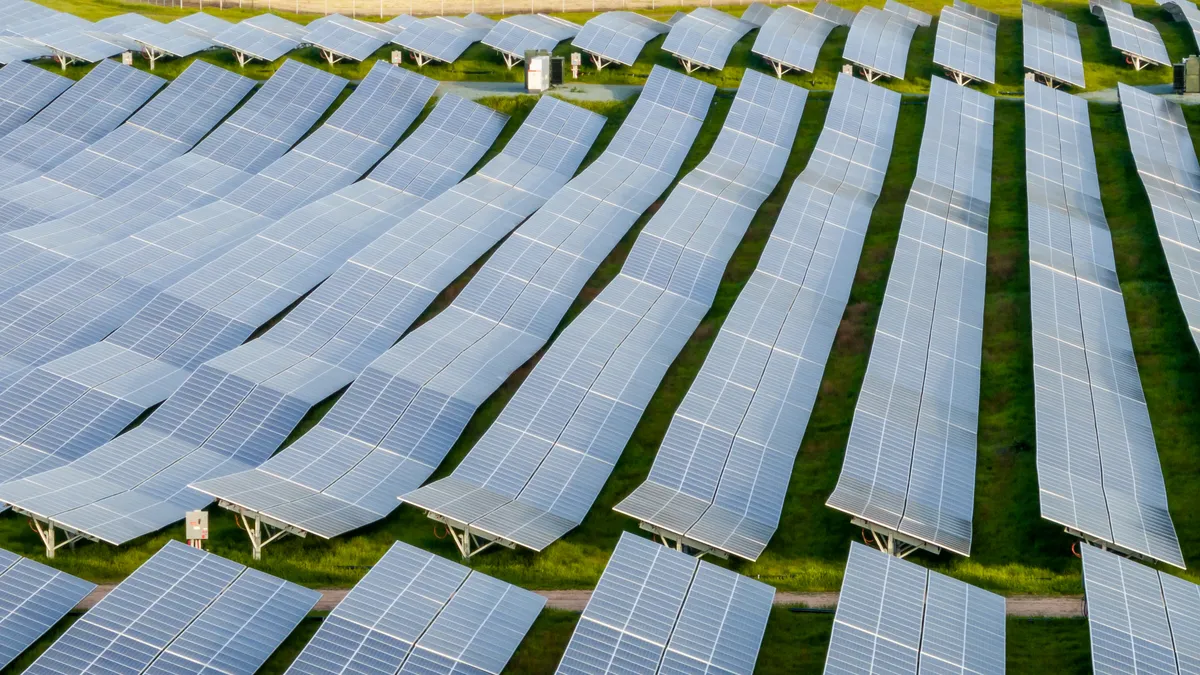
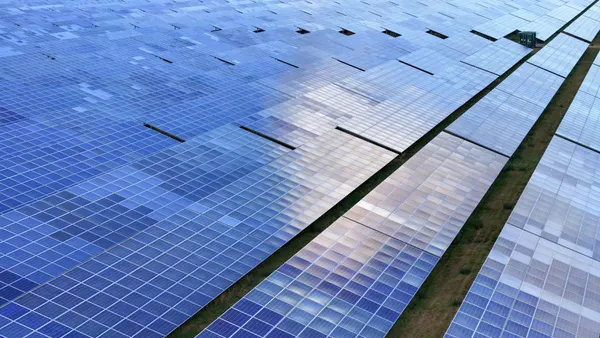
Further, many low-income households are renting or lack direct access to a rooftop. Community solar is a key way to address uptake for communities that fall into these brackets by allowing customers to tap into solar generated at a shared site, like a solar farm. In turn, they receive monthly credits for the share of solar they help “produce,” to reduce their overall utility bills.
Many states leveraged the federal government’s ¨Solar for All¨ $7 billion grant initially offered during the previous administration to support lower-income households' solar transitions across the country, but were forced to cancel after the Environmental Protection Agency formally terminated the program in August. The decision has since sparked a lawsuit from several solar installation companies and advocacy groups challenging the EPA’s decision, alleging it is unconstitutional.
In response, Massachusetts moved ahead with its own plan, launching the redesigned Solar Massachusetts Renewable Target 3.0 program, without relying on federal funding. The updated framework continues to incentivize solar and sets new equity requirements for community projects. The state has positioned itself as one of the few looking to maintain momentum on renewable energy despite shifting national policies.
Even with costs covered, lingering distrust remains a barrier. Studies show that many low-income households don’t differentiate between solar providers from energy service companies, which have a history of using sales tactics that disproportionately impact marginalized communities. With unexpected rate increases and unclear billing, it’s no surprise that homeowners remain cautious about new energy options.
So while subsidies can address one barrier, community-led promotions and education strategies that clearly communicate the benefits that solar will bring by reducing utility bills need to be prioritized in order to have a far-reaching impact, distinct from sales-driven language that can reinforce skepticism.
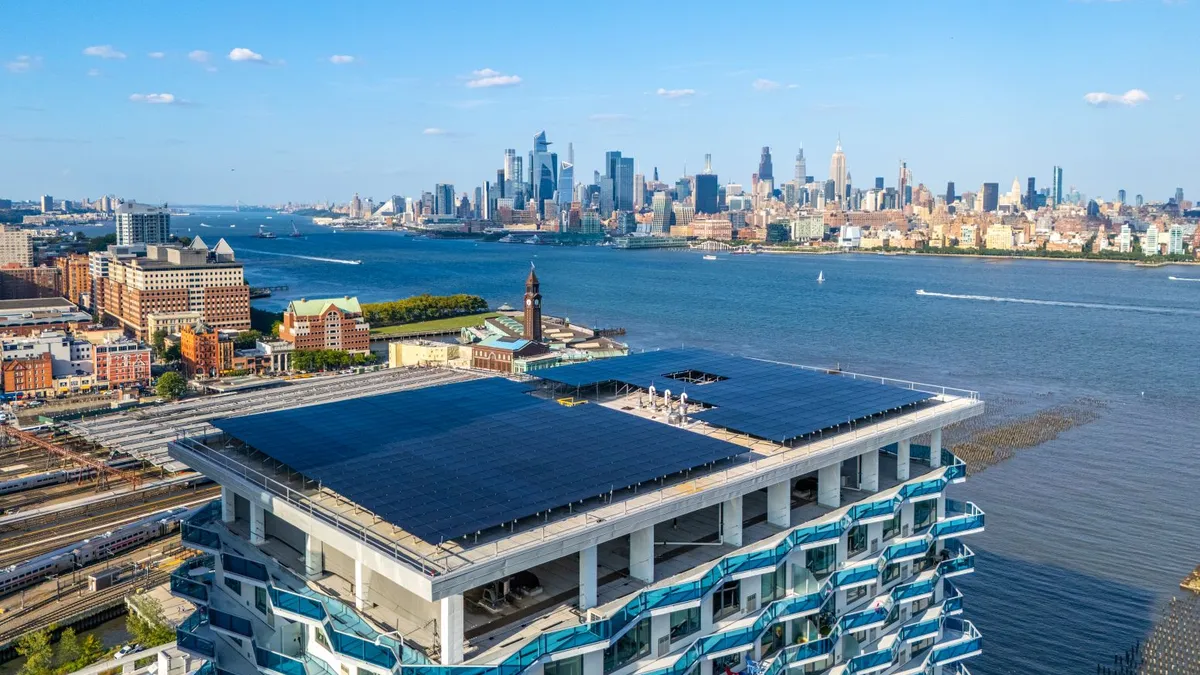
Aside from tackling inequalities and poverty, rooftop solar is also key to the future of how cities are imagining a relationship between renewable energy and space. It’s part of how cities rethink the use of existing space but integrating solar into the built environment. For example, across Northern New Jersey, there are roughly 50,000 commercial rooftops and nearly 14 GW of untapped potential that can power everything from schools to public housing, without having to seek permits for additional land use.
The next phase of progress will be driven by valuable data that today’s technology can provide access to. Tools like GeoAI and satellite-based modeling can help developers and communities easily identify the rooftop solar potential, analyzing sunlight exposure, specifically in low-income neighborhoods. Pairing this data with local engagement helps direct public funding to the places that need it most, making solar development not just faster, but also equitable and more strategic.
A cleaner future has become much more achievable if the path forward merges innovation with inclusion. By combining advanced mapping tools that tell a story through data, transparent community outreach, and equitable funding models, stakeholders can easily turn existing infrastructure into renewable energy assets that support a range of communities.
The challenge ahead isn’t about whether solar can work, but how quickly it can align policy, technology, and trust to make it work for everyone.