Jim Welsh is CEO of Peak Nano.
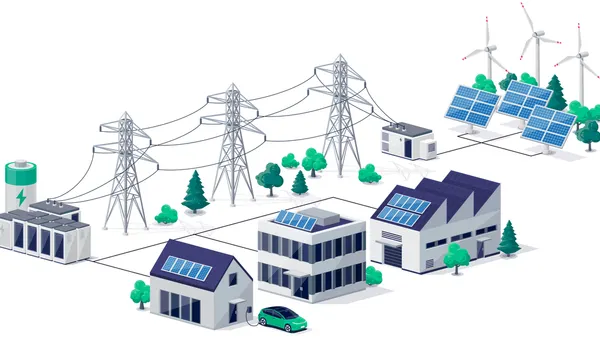
The U.S. power grid is a complex and aging ecosystem and, right now, it is cracking under tremendous pressure.
Utilities, tech giants, manufacturers and households are pushing a system built on outdated, outsourced infrastructure to its limits as transmission lines, transformers and substations near the end of their life. Meanwhile, surging energy needs from AI data centers are driving costs higher, creating strain on customers and power shortages that will only intensify over the next decade.
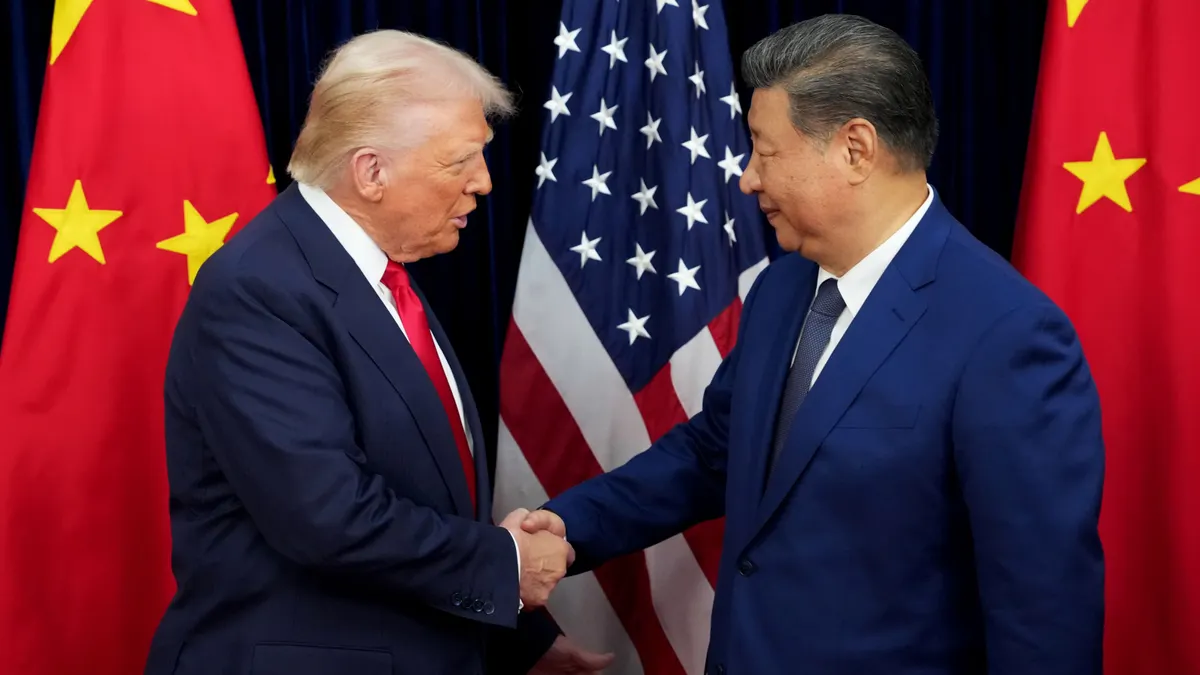
America must compete with China for AI leadership, but power is required before AI chips can be deployed. China’s vast, modernized grid enables large-scale AI deployment, while U.S. tech leaders wait for power. As Microsoft’s CEO recently noted, the company lacks sufficient electricity to even install its inventory of AI GPUs.
Meeting modern demand for scalable and reliable power has become the defining challenge of the 21st century. But the solution will take more than replacing aging equipment. America’s entire grid supply chain is reliant on foreign sources that could leave us vulnerable at any moment. We must begin reshoring every layer of the grid, from materials to components to manufacturing, if we want to close the power gap with China. Otherwise, America will never be able to power the AI economy it intends to lead.
The grid supply crisis
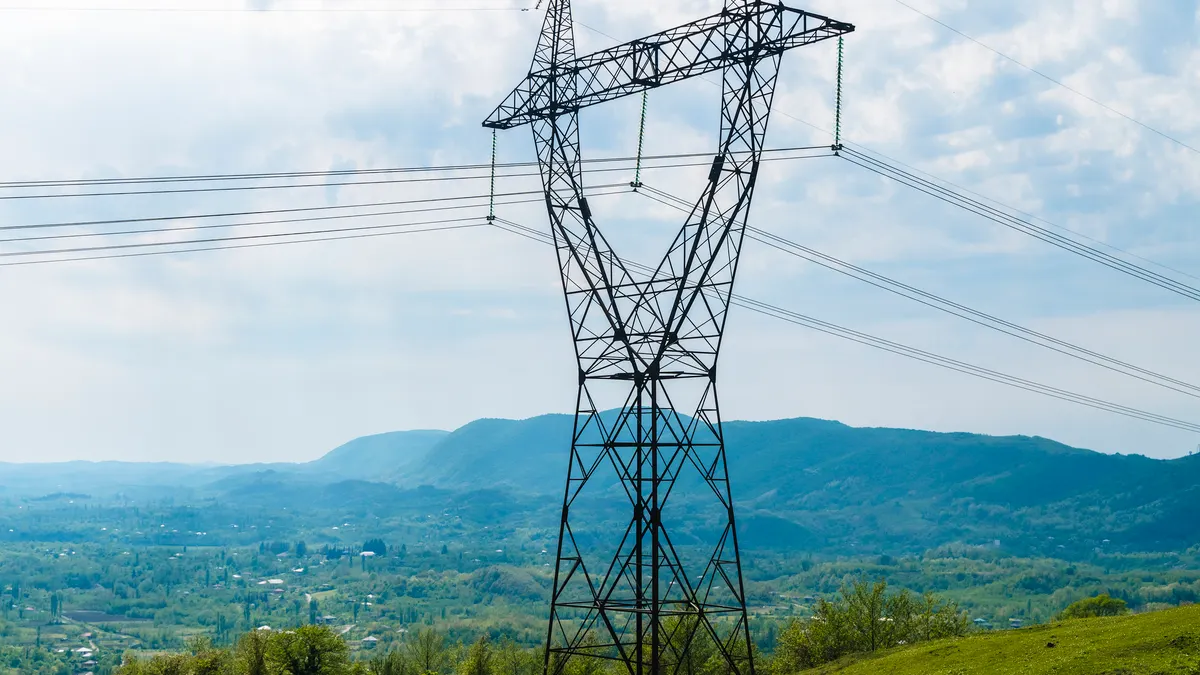
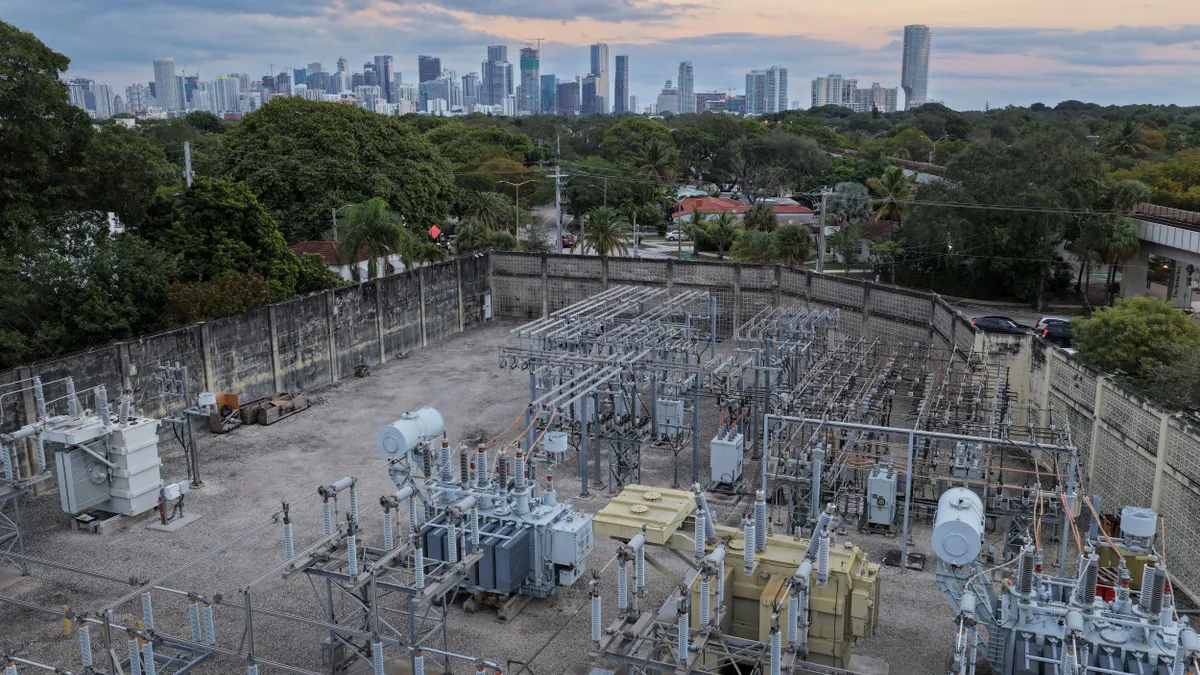
Our grid equipment is running on borrowed time. A staggering 31% of U.S. transmission and 46% of distribution infrastructure are near or past their intended lifespan, according to analysis from Bank of America Institute. And 70% of our transmission lines and transformers have been in service for over a quarter century and weren’t designed for today’s bidirectional flows and dynamic loads.
Making matters worse, our modern digital grid relies on imported parts. This poses huge national security risks and threatens grid reliability.
The problem isn’t limited to a single component. High-voltage transformers? Vital for handling increased loads from data centers and EVs, 85% of these are imported from South Korea and Germany, and China is gaining market share. Steel? Mostly imported from Mexico, Canada, Asia, and Europe (the U.S. is the world’s second biggest steel importer). Substation equipment like insulators, circuit breakers, capacitors and relays? The U.S. is a world leader in imports.
As a result of all this outsourcing, we face long delays in replacing and upgrading parts. Wait times for high-voltage transformers often exceed two years. That’s not an anomaly — it’s the rule. This is a system-wide vulnerability that threatens to slow down the future we’re racing to create.
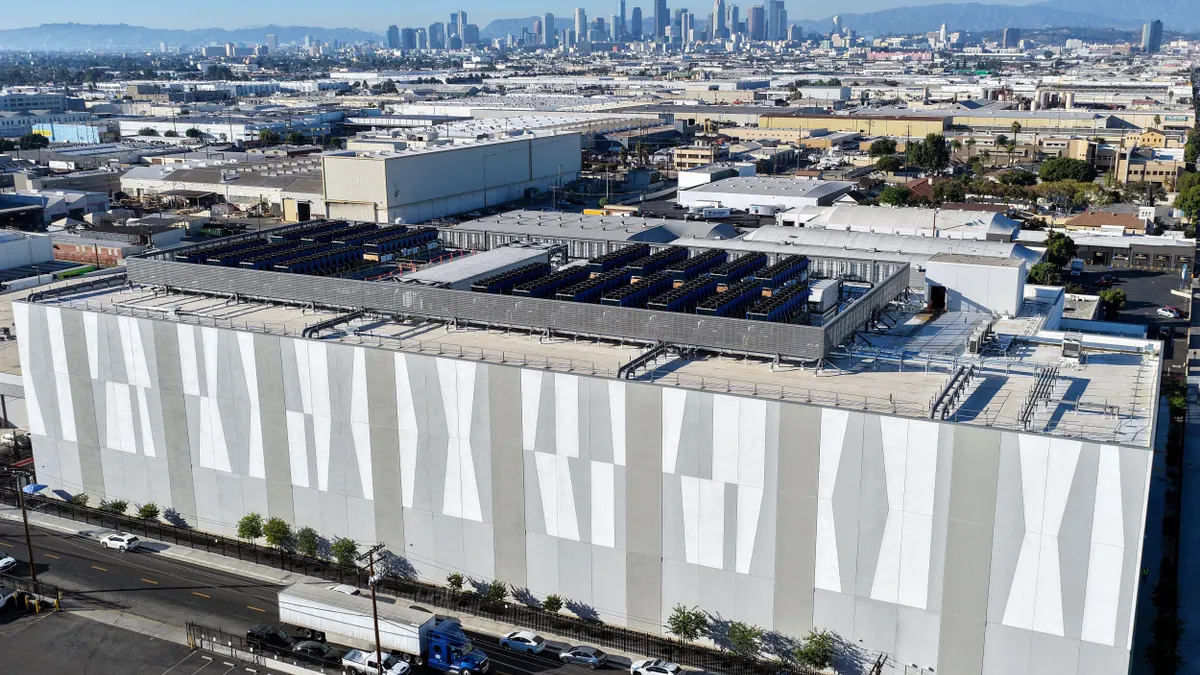
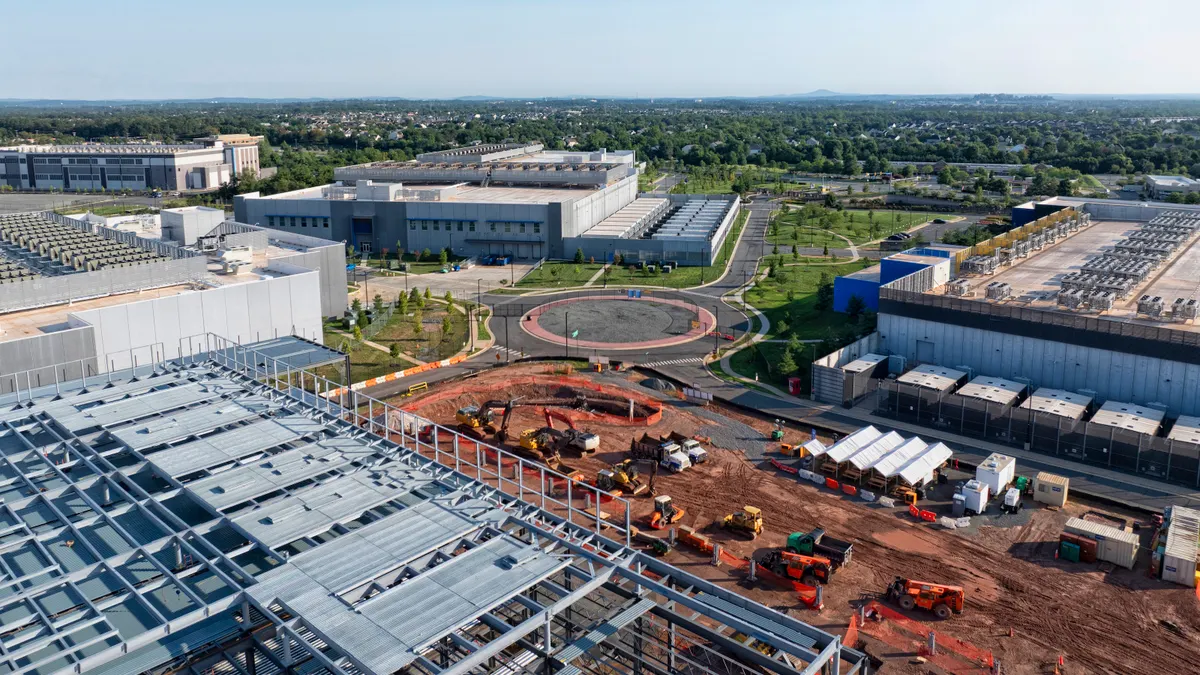
Data centers highlight this challenge. U.S. energy demand from hyperscale and AI-driven data infrastructure is projected to nearly triple by 2030, with major clusters springing up in Virginia, Texas and Ohio. New power supply isn’t keeping up. The Energy Department is now urging data center operators to co-locate and generate their own power, and changing the rules so power generation can be deployed faster. This signals that grid stress is a national security risk.
No single factory or plant can solve this. “American-made” headlines for single products or facilities can earn political points, but in reality, the grid is a complex ecosystem. Building a battery or capacitor plant domestically is challenging if the raw materials or even the manufacturing tools themselves come from abroad. With an underlying supply chain that stretches across continents, the risks are multiplied. Resilience can only come from full value-chain localization.
To build a truly resilient grid, we need a full-spectrum approach to reshoring grid infrastructure. American policymakers and industry leaders must:
- Secure upstream supply. Build a U.S.-based (or allied) raw material supply for copper, advanced ceramics, specialized steel and next-gen polymers.
- Bring home manufacturing. Foster full domestic manufacturing capacity for transformers, towers, cables, substation hardware and sensor technology.
- Close the talent gap. Reinvest in training and apprenticeship for grid engineering, welding, power electronics and materials science — fields hollowed out by decades of offshoring.
- Promote open innovation and R&D: Encourage partnerships between utilities, grid tech startups, national labs and universities to crowd-source solutions for aging assets and domestic manufacturing bottlenecks.
- Develop base materials. This includes plastics, polymers, rare earths and critical minerals that feed these manufacturing facilities.
Leaps in AI data center power management from companies like Emerald AI, which has partnered with Nvidia, promise smarter grids and better demand planning while adding grid capacity through power-flexible AI factories.
But even the most advanced digital controls can’t override shortages in transformers and cables, for which waiting times and prices have almost doubled since 2021. We must manufacture these materials and components at home. AI can help, resurrecting U.S. supply chains with predictive analytics, automated testing and process optimization. America needs a renaissance of both our digital and physical supply chains to lead.
Policy is moving in the right direction, as signaled by the One Big Beautiful Bill Act, AI Action Plan, Advancing GETS Act, and Fusion Advanced Manufacturing Parity Act. U.S. transmission investment is projected to jump 23% by 2030. But that’s dwarfed by spending surges abroad, particularly in China, which invests more in energy than the EU and U.S. combined.
The stakes: reliability, jobs and national security
Competitive pressures are mounting; energy demand is at record highs; and fusion energy is still a promise. Meanwhile, every critical industry depends on a stable power supply. The price of getting this wrong is enormous: higher utility bills, supply shocks, cyberattacks, power delays and potential blackouts.
We need a coordinated push from regulators and utilities to bring the entire grid supply chain back onshore. Without that, we put the whole country at risk. To guarantee affordable power, technological innovation, and energy security, the U.S. must lead with action: invest in every upstream step; forge public-private alliances; retrain the workforce; and plan for a grid that’s built, maintained and modernized in America.