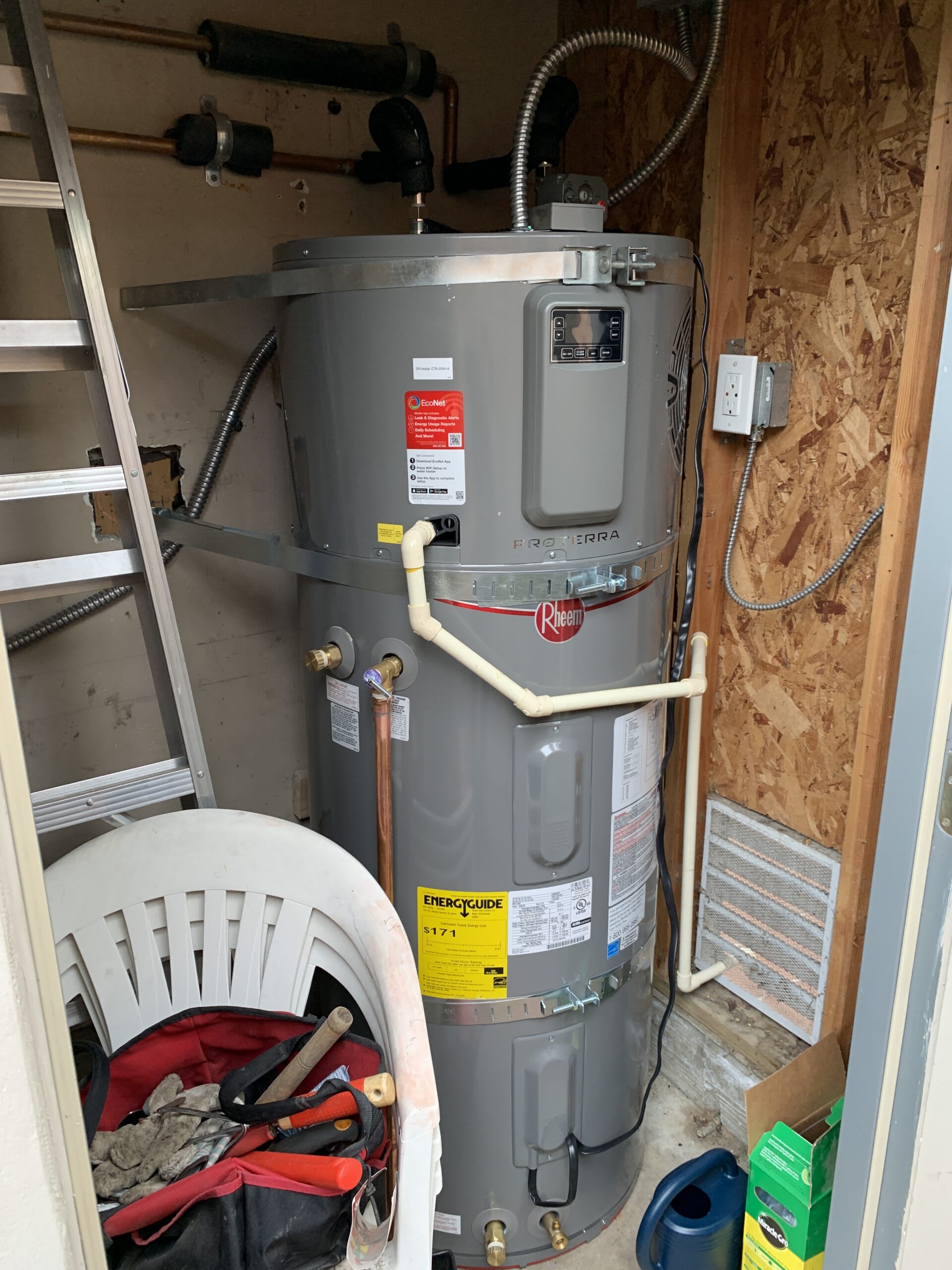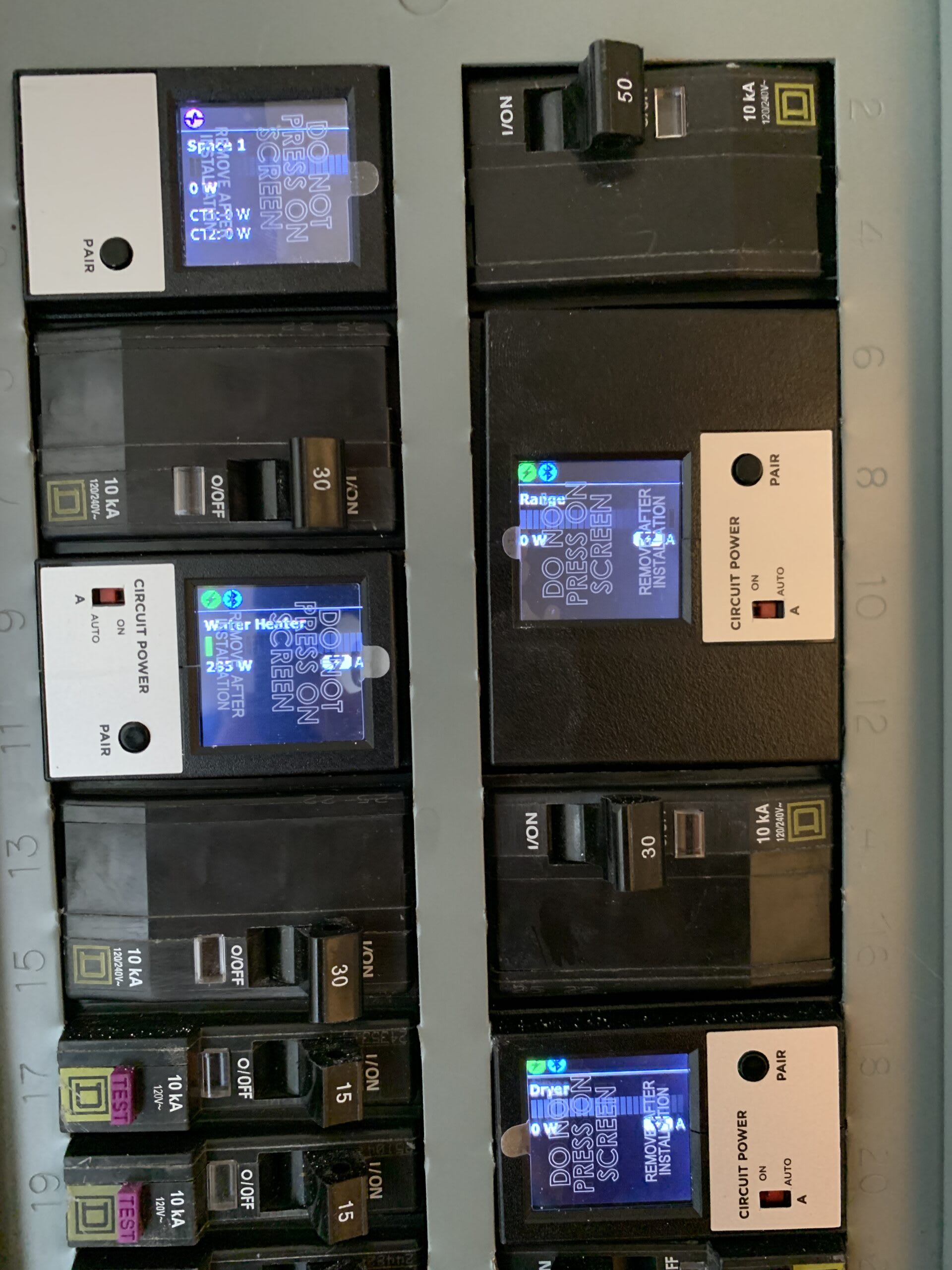


As California accelerates its push toward electrification, the limited electrical capacity of many existing buildings remains a barrier. The CalNEXT pilot program, “Electrification Enablement via Load-Balancing Solutions”, has demonstrated that load-balancing technologies (LBTs) can be a gamechanger for residential and commercial electrification. By enabling the adoption of electric appliances without costly panel upgrades, these technologies offer a scalable, cost-effective solution to electrify California buildings.
A win for electrification and grid integrationThe CalNEXT project is a shining example of how innovation can remove barriers to electrification while supporting grid integration. By demonstrating how technologies like smart panels and circuit splitters allow homeowners to install EV chargers and heat pumps without expensive panel upgrades, this project addresses one of the most significant hurdles to electrification: limited electrical capacity. The CalNEXT team’s work not only makes electrification more accessible but also lays the groundwork for broader adoption of grid-friendly technologies. Additionally, it highlights the potential for technology transfer, ensuring that these solutions can scale across California and beyond.
The challenge: limited electrical capacityAn estimated 33 percent of California homes have 100-amp panels, and more than half have two or fewer open breakers slots. This limited capacity often necessitates expensive panel and service upgrades when adding high-demand electric loads like EV chargers or heat pumps. Costing between $2,000 and $30,000, these upgrades create a significant barrier to electrification for homeowners. For lower-income households, the cost burden can be particularly prohibitive, underscoring the importance of equitable solutions like LBTs.
The solution: load-balancing technologiesThe CalNEXT pilot explored a range of LBTs including circuit splitters, smart panels, and smart breakers. These technologies dynamically manage electrical loads to ensure that total system draw stays within panel capacity. Circuit splitters, for example, allow two appliances to share a single circuit, pausing one load when the other exceeds a set threshold. Smart panels and subpanels go a step further by prioritizing and shedding non-critical loads, enabling long-term electrification without service upgrades. Meanwhile, smart breakers provide circuit-level visibility and control, shedding the highest-draw load when thresholds are exceeded. Together, these technologies offer a practical, cost-effective pathway to electrification.
Key findingsThe pilot revealed several critical insights into the potential of LBTs. First, these technologies offer significant cost savings, with installation costs ranging from $600 to $7,500 – far less than the cost of traditional panel upgrades. Second, LBTs are highly scalable, as participants were able to add Level 2 EV chargers, heat pump water heaters, and other electrical appliances without exceeding their panel capacity. Third, advanced LBTs are evolving to include grid-interactive features, enabling demand response and load management. Finally, the pilot highlighted the importance of contractor and customer education to ensure proper installation and adoption of LBTs.
Consumer benefits and equity impactsFor home and business owners, the benefits of LBTs are myriad. By avoiding the need for panel upgrades, these technologies significantly lower the upfront costs of electrification, making it more accessible to a broader audience. They also simplify the integration of electric appliances, even in buildings with limited electrical capacity. Additionally, LBTs prepare buildings for future electrification and grid participation, offering a seamless path to adopt more energy-efficient technologies over time. Equity is a significant component of these technologies as well, as they reduce the financial burden on lower-income households to make electrification more inclusive.
Taking action: IOUs, program implementers, and contractorsThe CalNEXT report underscores the importance of integrating LBTs into electrification programs. Investor-owned utilities (IOUs), program implementers, and contractors should take proactive steps to incorporate LBTs into incentive programs, reducing the financial burden of electrification for consumers. Equally important is the need to educate contractors and customers on the capabilities and benefits of LBTs to ensure that these technologies are utilized effectively. Supporting workforce development is critical for proper installation and commissioning, which maximize the impact of these solutions.
Removing barriers to electrificationThe CalNEXT pilot successfully demonstrates how load-balancing technologies can remove one of the biggest barriers to home electrification – limited electrical capacity. By reducing the need for costly infrastructure upgrades, electrification becomes more accessible and scalable. As California moves toward its carbon neutrality goals, embracing LBTs can help overcome these challenges while supporting grid integration and equity. The project has proven to be a win for homeowners, contractors, utilities, and the environment alike.
View the full CalNEXT report on load-balancing technologies.
CalNEXT identifies new, big research ideas to help reach California’s energy efficiency and decarbonization goals. CalNEXT’s team of experts provides resources and supports the implementation of 180+ projects that have the potential to make a significant impact. Focused on emerging and underutilized technologies, CalNEXT presents a great opportunity for entrepreneurs, manufacturers, designers, builders, research laboratories, or energy efficiency program administrators to energize their ideas and projects to demonstrate innovative and scalable solutions.
CalNEXT is also dedicated to removing barriers so that all Californians have access to the benefits of clean and healthy environments. Through this initiative, we hope to engage members of the community to provide insight into how to support equity and inclusion in delivering these technologies.