Data centers and other large loads with service agreements are driving up demand expectations across the service territories of American Electric Power utilities, especially in Texas, company officials said Thursday during a fourth-quarter earnings call. That in turn is helping drive the company’s capital expenditure plans, they said.
“We are in the midst of a generational load growth phenomenon throughout our diversified service territory, especially in Texas, Ohio, Indiana and Oklahoma,” William Fehrman, AEP chairman, president and CEO, said.
Data centers make up nearly 90% of AEP’s large load pipeline, according to the company’s earnings presentation.
Up from 13 GW in the fall, AEP Texas has 36 GW of large loads that comply with Senate Bill 6 and are backed by “letters of agreement,” AEP said. Its utilities have an additional 15 GW in the PJM Interconnection and 5 GW in the Southwest Power Pool that are backed by LOAs or “electric service agreements.”
The Electric Reliability Council of Texas market is a “central part” of AEP’s long-term growth outlook, according to Trevor Mihalik, AEP chief financial officer.
“A big chunk of what's coming in, in ERCOT, is around the data center load, which is a lot of hyperscalers and data center developers, more than 50% of that load is now hyperscaler load,” Mihalik said.
Utility regulators in Ohio, Indiana, Kentucky and West Virginia have approved large load tariffs for AEP utilities that aim to insulate existing customers from costs related to serving new loads, according to Fehrman. Similar tariff proposals are pending in Michigan, Oklahoma, Texas and Virginia.
“While this is good progress, additional measures must be taken to ensure that the infrastructure required to serve large loads is paid for by the customers who drive those needs,” he said.
Meanwhile, retail sales at AEP’s utilities jumped 7.5% last year compared to 2024, driven by commercial and industrial sales growth of nearly 10%, primarily from data centers in Indiana, Texas and Ohio as well as industrial sales in Texas, Mihalik said.
New transmission projects and AEP’s planned fuel cell facility in Wyoming total about $5 billion to $8 billion in capital expenditures that isn’t included in the company’s $72 billion, 5-year capital plan announced in October, Fehrman said.
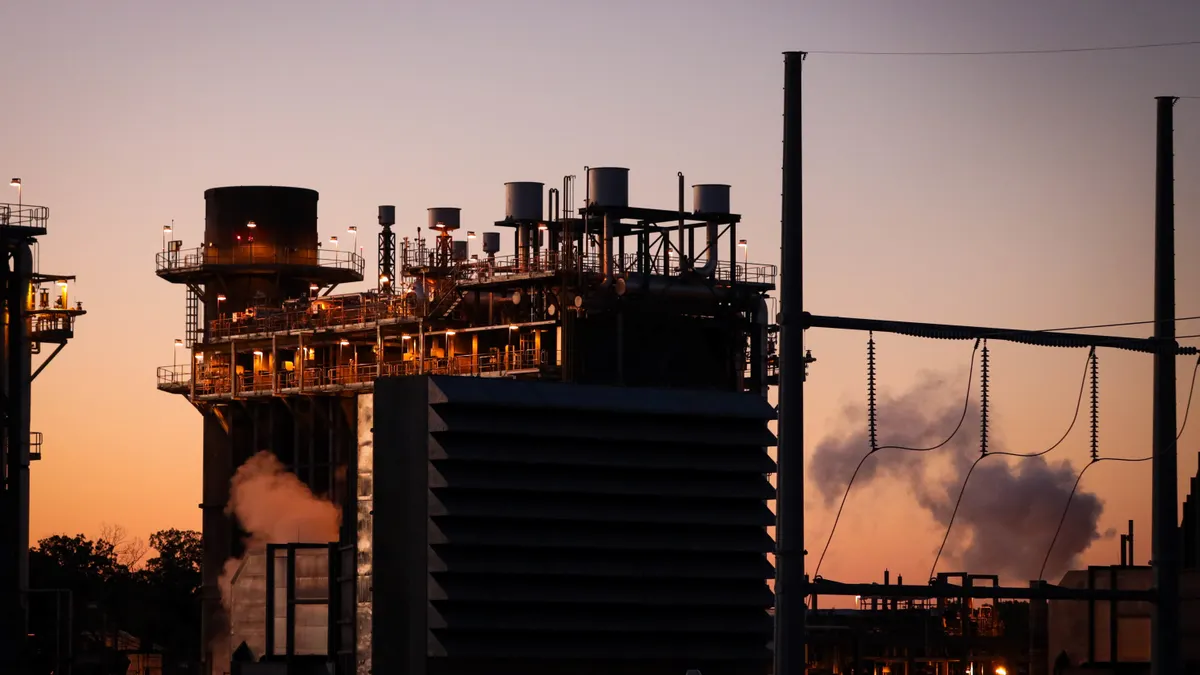
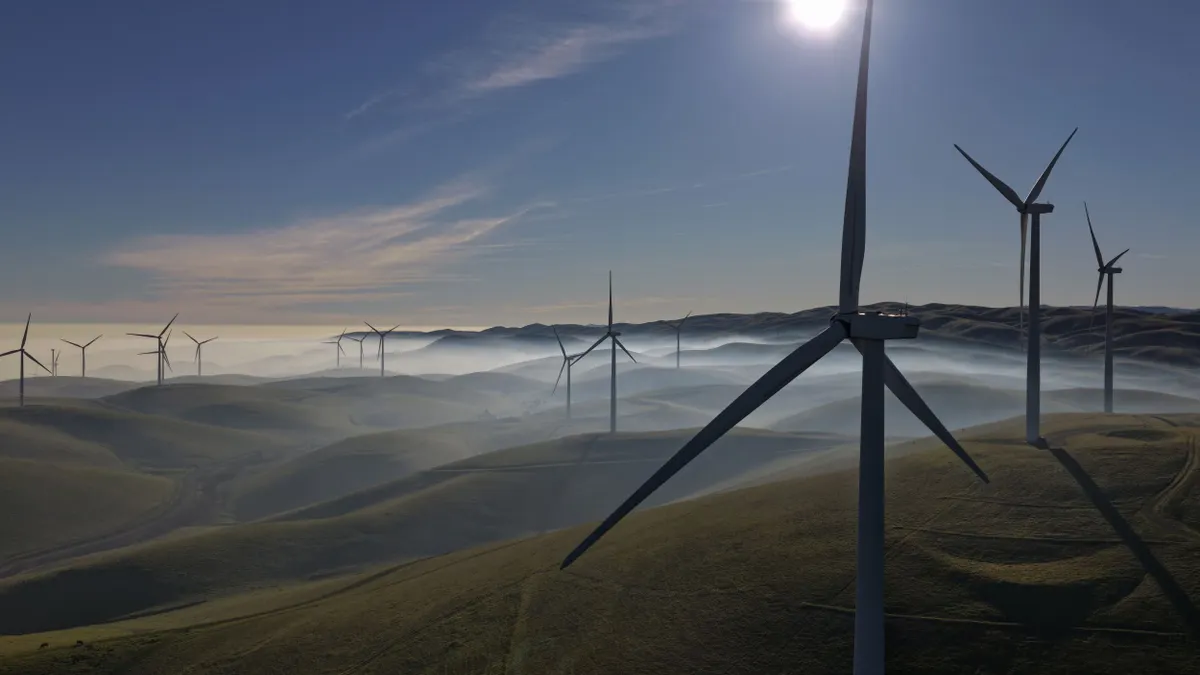
Also, AEP estimates that its utilities will acquire about 27 GW to meet their needs through 2035, according to the presentation. That includes about 15 GW of gas, 6 GW of solar and 5 GW of wind.
On the regulatory front, laws have been passed in Ohio, Oklahoma and Texas that speed up utility cost recovery, Fehrman noted.
Also, base rate cases in Arkansas, Kentucky and Ohio were approved or settled with additional new base rate cases recently filed in Oklahoma and Texas, he said. AEP is seeking a $181 million net revenue increase in Oklahoma and an $84 million increase in Texas, according to the earnings presentation.
AEP utilities earned a combined 9.1% return on equity last year, up from 9.05% in 2024, according to the company. AEP expects its utilities will earn a 9.5% ROE by 2030, Mihalik said.
AEP’s 2025 income jumped 18% to $3.6 billion, or $6.70/share, from $3 billion, or $5.60/share, the year before, partly driven by rate increases, according to the company. AEP’s revenue increased to $21.9 billion in 2025, up from $19.7 billion in 2024.
AEP’s utilities have about 5.6 million customers in Arkansas, Indiana, Kentucky, Louisiana, Michigan, Ohio, Oklahoma, Tennessee, Texas, Virginia and West Virginia.