Federal and state utility regulators should rein in the use of “construction work in progress” accounting to protect ratepayers from cost risks related to building energy infrastructure projects, according to an issue brief released Thursday by the Manhattan Institute, a conservative think tank.
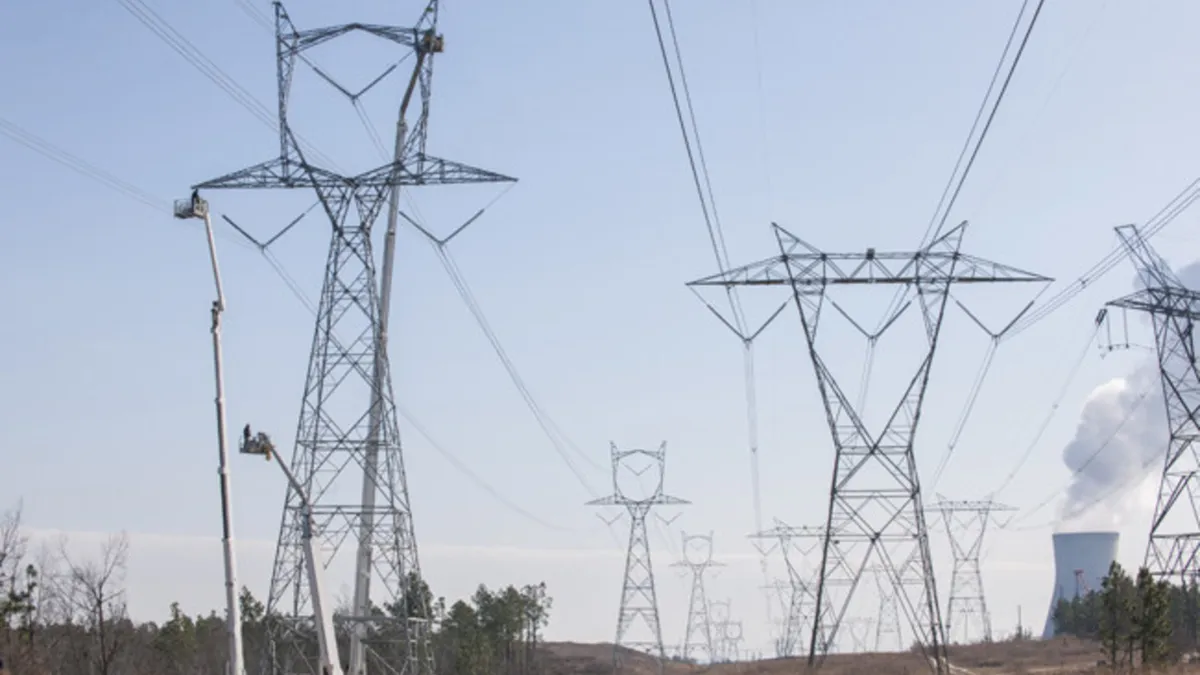
CWIP allows a utility to bill ratepayers for the cost of building a power plant, transmission line or other project as they are being built. In contrast, under “allowance for funds used during construction” accounting, ratepayers aren’t billed until the project comes online. This practice is preferable, even though it can cause ratepayer stickershock, the brief’s authors said.
The report — The Hidden Tax on Your Power Bill: Construction Work in Progress — comes as rising electricity bills have become a political issue in states like California, Connecticut and New Jersey.
Also, U.S. utilities are entering into an infrastructure-building super-cycle, with utilities preparing to spend $1.4 trillion from 2025 to 2030 to build out transmission and generation networks to meet demand from data centers. That spending would roughly double the amount utilities spent in the previous 10 years, Morningstar DBRS said in a report released in October.
The use of CWIP provides an incentive for utilities to “gold plate” projects and extend their construction timelines, according to the report’s authors.
“Under CWIP, utilities face little pressure to control costs or timelines because every additional dollar spent and every month of delay expands their rate base and increases their guaranteed returns,” they said. “Cost overruns become profit opportunities rather than financial penalties.”
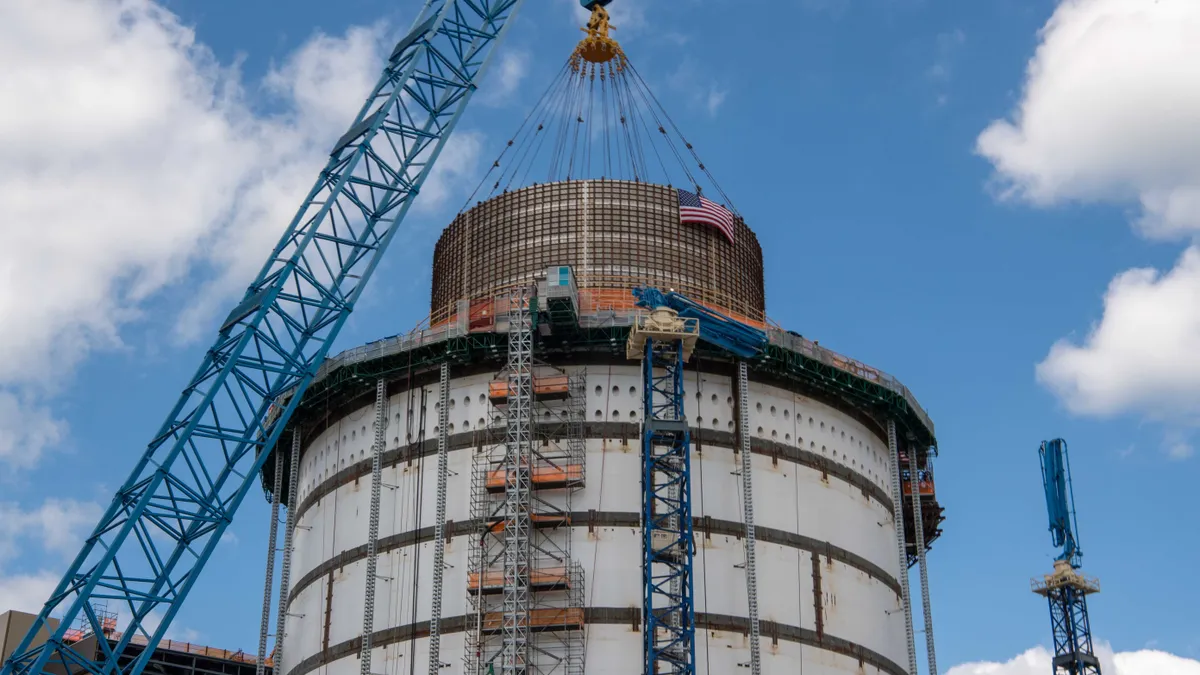
The report’s authors — professors Eric Olson from the University of Tulsa, Jack Dorminey of West Virginia University, and Jason Walter from the University of Tulsa — pointed to Georgia Power’s majority-owned expansion of the Vogtle nuclear power plant as an example of how CWIP can affect ratepayers.
Georgia utility regulators approved the project in 2009 at a $14 billion estimated cost, but the two nuclear units started commercial service in 2023 and 2024 at a price tag of about $37 billion.
“Mounting construction setbacks from component redesigns, contractor bankruptcies, and pandemic-related labor shortages led to an explosion in the total price tag,” the authors said. “Rather than face punishment, Georgia Power was entitled to earn over 10% return on that growing sum each year because CWIP was already in the rate base. For management and shareholders, the mushrooming budget did not threaten the project’s profitability; it enhanced it.”
CWIP can make project financing less risky, and potentially less expensive, according to its proponents.
At the state level, the issue of how utilities recoup costs is usually decided by state regulators. But the Federal Energy Regulatory Commission allows transmission developers to use this accounting method as well, though not without controversy.
Mark Christie, then-FERC chair, opposed the use of CWIP as part of a suite of developer incentives he referred to as “FERC candy” in a dissent to the approval of such a package in May.
The CWIP Incentive, he wrote, “allows recovery of costs before a project has been put into service,” which runs the risk of making consumers “the bank” for the transmission developer.
“[B]ut, unlike a real bank, which gets to charge interest for the money it loans, under our existing incentives policies the consumer not only effectively ‘loans’ the money through the formula rates mechanism, but also pays the utility a profit, known as Return on Equity, or ‘ROE,’ for the privilege of serving as the utility’s de facto lender,” he said.
The Manhattan Institute report’s authors say utility regulators should stop allowing CWIP, adding that they have a range of options for limiting it to protect ratepayers.
FERC, for example, could make CWIP contingent on project developers meeting schedule and cost benchmarks, according to the brief. The agency could also include automatic clawback provisions to recover customer payments when projects are abandoned or there are cost overruns, they said.
“CWIP is a cautionary tale about how well-intentioned financial tools can distort incentives and shift risks when applied without safeguards,” the authors said. “Originally promoted as a way to help utilities weather the capital strain of large, long-lead projects, CWIP has repeatedly weakened cost discipline, encouraged oversizing, and transferred the financial burden of speculation onto households and businesses.”