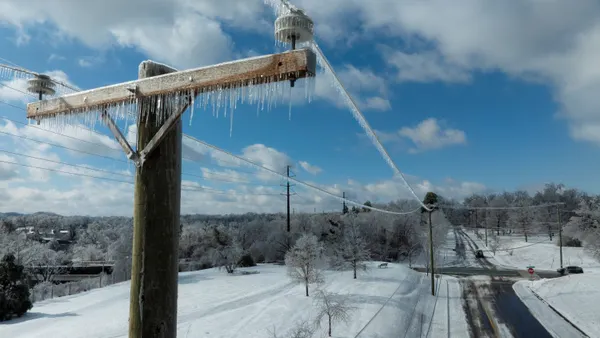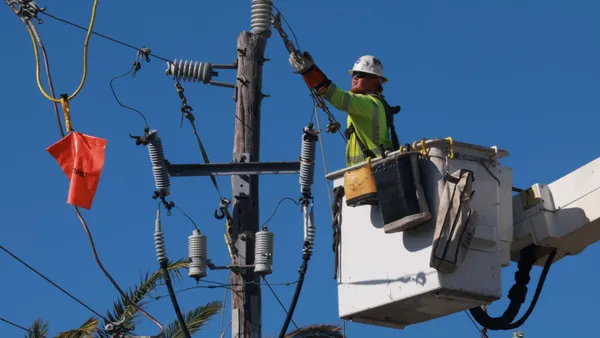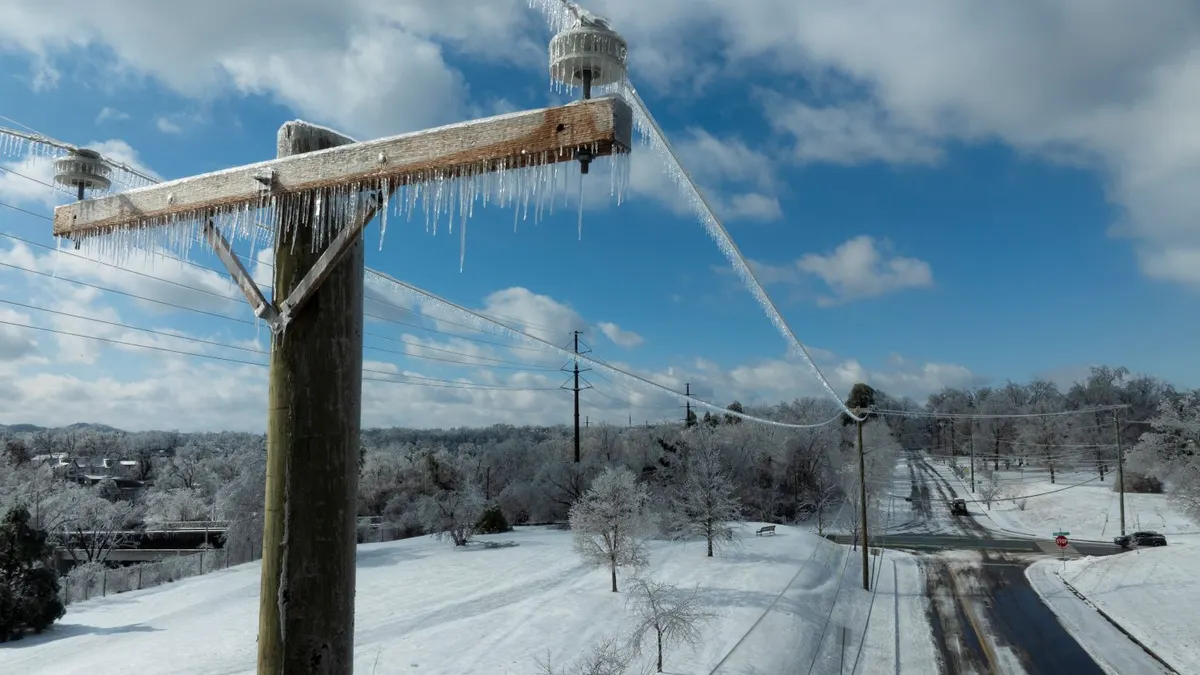
The snow and ice of Winter Storm Fern have passed, but utilities and grid operators are are still struggling to meet higher electric demand amid a prolonged cold snap in parts of the country. The U.S. Department of Energy on Monday issued emergency orders to keep certain generation sources running, regardless of emissions limits.
DOE issued orders under section 202(c) of the Federal Power Act to a pair of Duke Energy utilities and grid operators.
The four orders issued Monday build on emergency directives DOE issued over the weekend.
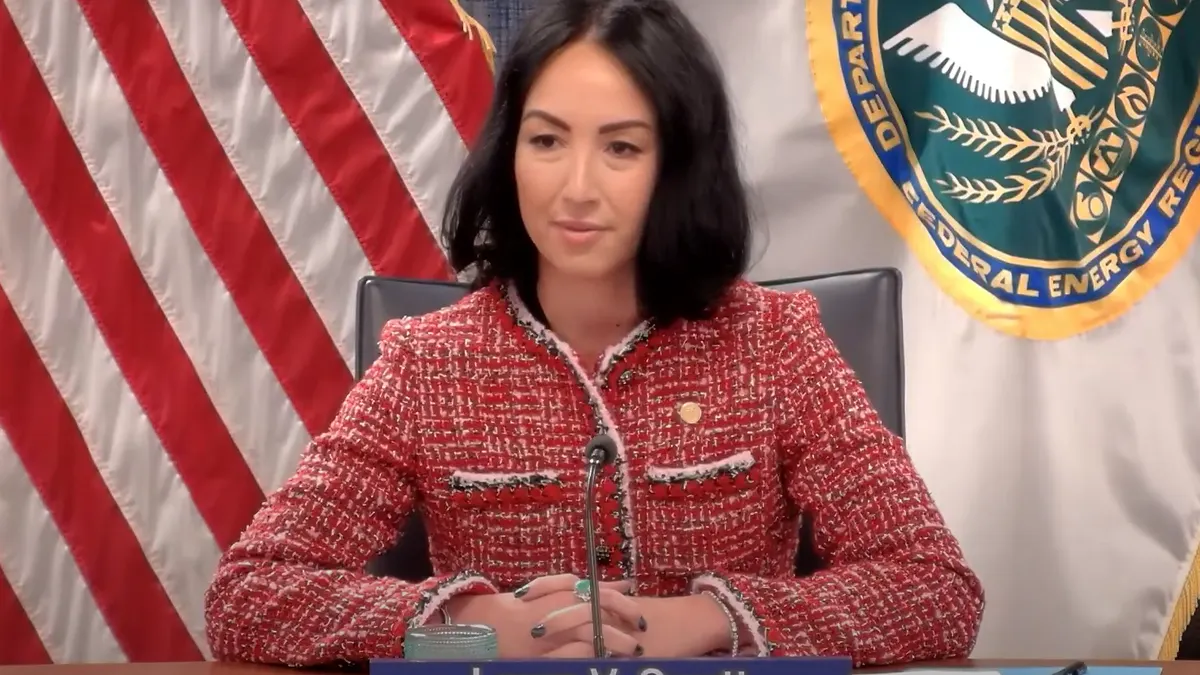
“The Trump administration is committed to unleashing all available power generation,” Energy Secretary Chris Wright said in a statement.
Duke Energy Progress and Duke Energy Carolinas were expecting average temperatures on Tuesday to be 15-20 degrees Fahrenheit below January norms, the utility company said in its petition to DOE. “As such, customer demand may reach or exceed record-breaking thresholds,” Duke said.
The utilities serve parts of South Carolina and North Carolina.
While the “vast majority” of generating units in Duke’s service territory are functioning adequately, the company said some units “are limited in providing the generation the system needs by conditions and limitations in their environmental permit.”
DOE issued an order authorizing Duke’s generating units “to operate up to their maximum generation output levels, notwithstanding air quality or other permit limitations.” The order expires at noon on Friday.
DOE issued similar orders for the PJM Interconnection through Saturday. and the New York ISO through Monday.
Peak demand in PJM has the potential to exceed 130,000 MW for seven straight days, “a winter streak that PJM has never experienced,” the grid operator said in statement.
PJM asked DOE for authorization to deploy customer-owned backup generation “if needed to avoid or mitigate any load shed event during the current extreme winter weather.” The grid operator said it is working with the agency “to identify data center customers who have volunteered to go onto backup generation if needed in an emergency.”