Entergy on Thursday gave an update on the financial performance and outlook for the five regulated electric utilities it operates in the New Orleans area, greater Louisiana, Mississippi, Arkansas and east Texas. Its greater Louisiana subsidiary is its largest by customer count, followed by Arkansas, Texas and Mississippi.
Weather-adjusted retail sales rose 1.5% in the fourth quarter of 2025 and 3.9% for the full year, the company said. A 6.7% jump in industrial sales drove the overall increase, with strong demand from customers in the metals, petroleum refining, chemicals and technology industries. The residential and commercial sales increases were more modest at 2.1% and 1.2%, respectively.
Entergy expects more of the same through the end of the decade, with data centers and other large industrials driving the bulk of new demand, company executives said last week. Its anticipated capital spend over the next four years rose around 4% from last quarter.
As it recovers costs for that spending, Entergy expects residential customer rates to increase 4% annually through 2029, Kimberly Fontan, executive vice president and chief financial officer, said in an interview with Utility Dive. That anticipated rise in rates is consistent with national trends observed by the U.S. Energy Information Administration since 2022.
A strong but static large-load pipeline
Data centers account for 7-12 GW of Entergy’s large-load pipeline. Other large industrials comprise the remaining 3-5 GW, Entergy Chairman and CEO Andrew Marsh said on Thursday.
Both figures are unchanged from the previous quarter as Entergy works to finalize customer commitments. The company’s utilities signed a combined 3.5 GW of electric service agreements last year, Marsh said.
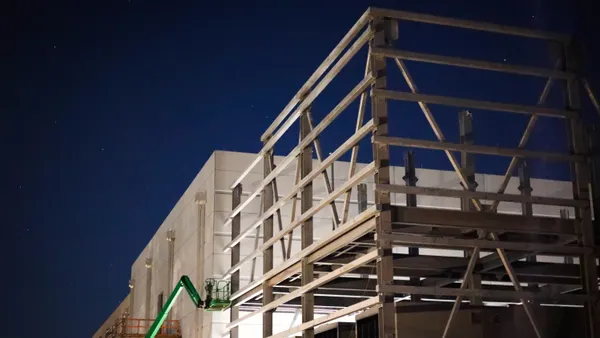
Customers expected to interconnect with Entergy in the coming years include traditional heavy industrial sites that already provide nearly half of Entergy’s sales, such as the $6 billion hydrogen and steel plant Hyundai plans to build near Baton Rouge, Louisiana. But Marsh sounded especially enthusiastic about the data center opportunity as facilities like the 2-GW Meta campus slated for northeastern Louisiana.
“For our residential customers, we estimate the data center contracts in place today will generate approximately $5 billion in rate offsets from their fair share of contributions to fixed costs during the life of the contracts,” or more than $5 per customer, per month, he said.
Ambitious G&T plans, with more to come
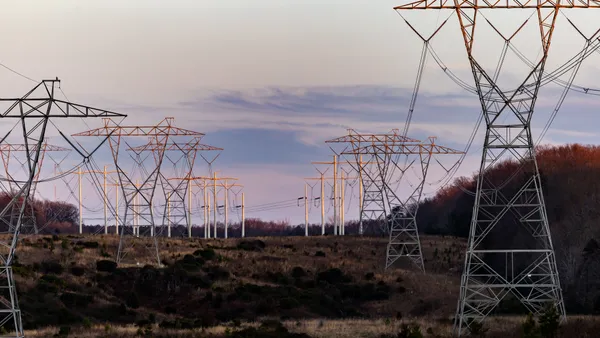
To serve new load, Entergy plans $43 billion in capital spending through 2029. Most of it will fund new generation and transmission projects.
Entergy is building or has been approved to build more than 8.1 GW of combined-cycle gas plants across its five territories. It’s seeking approval to build nearly 3 GW more by 2030. It also plans to deliver a 45-MW uprate at its 1,152-MW Waterford 3 nuclear plant in two phases over the next four years.
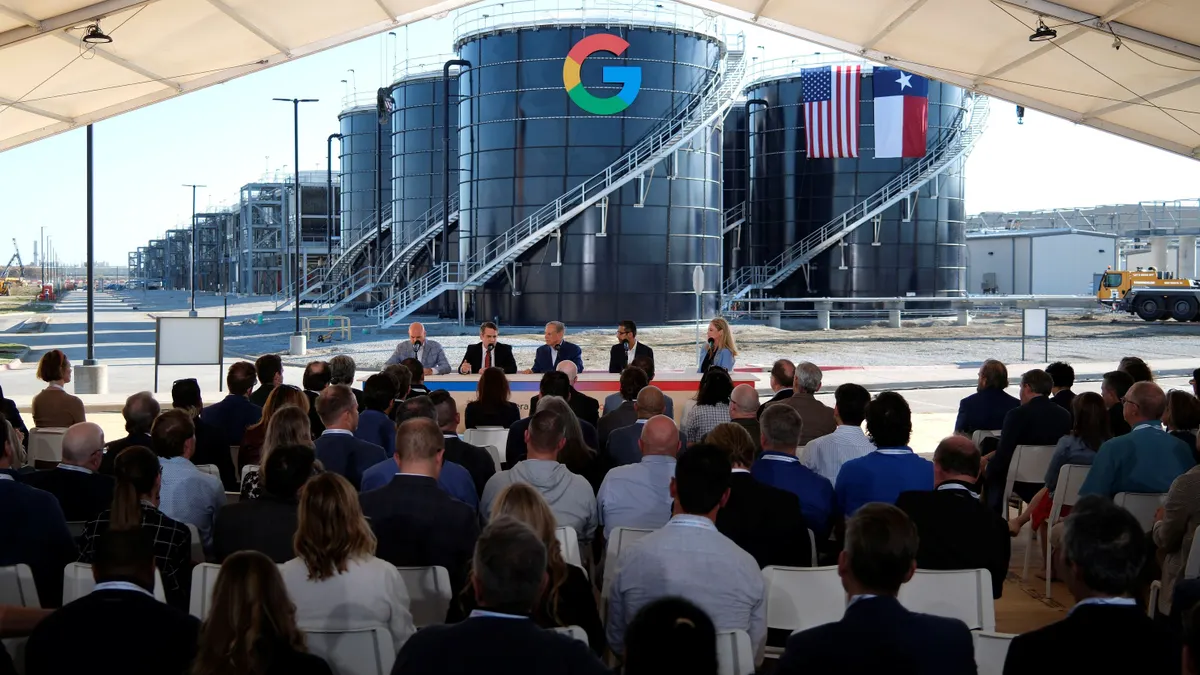
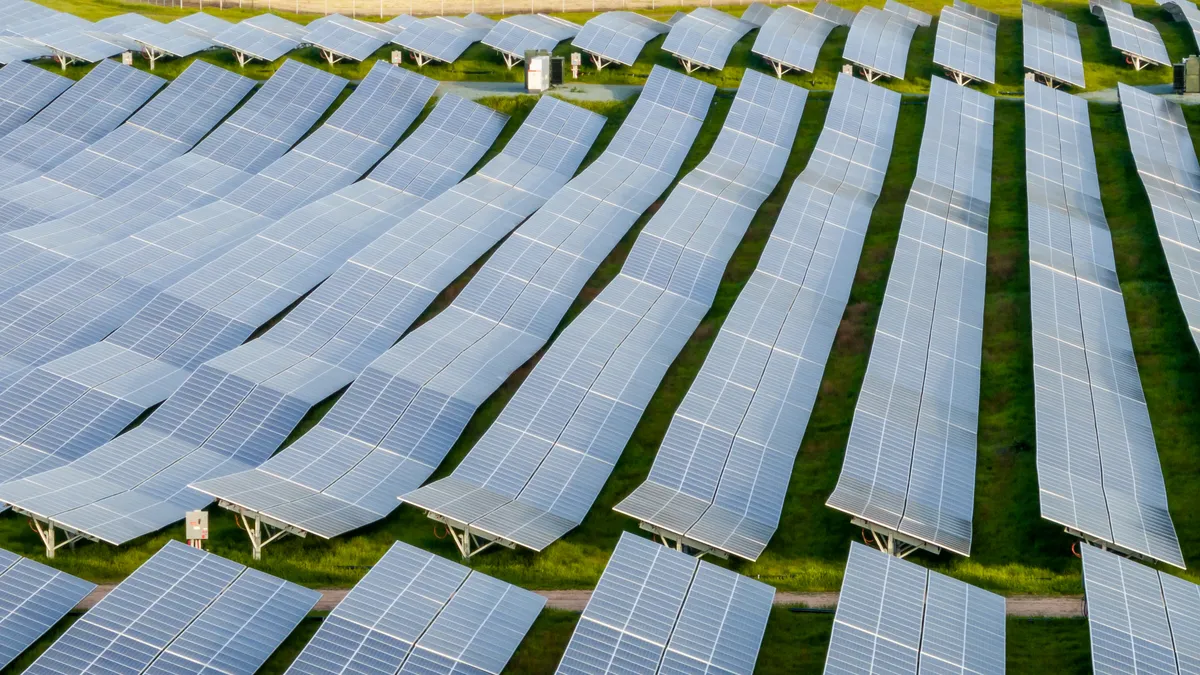
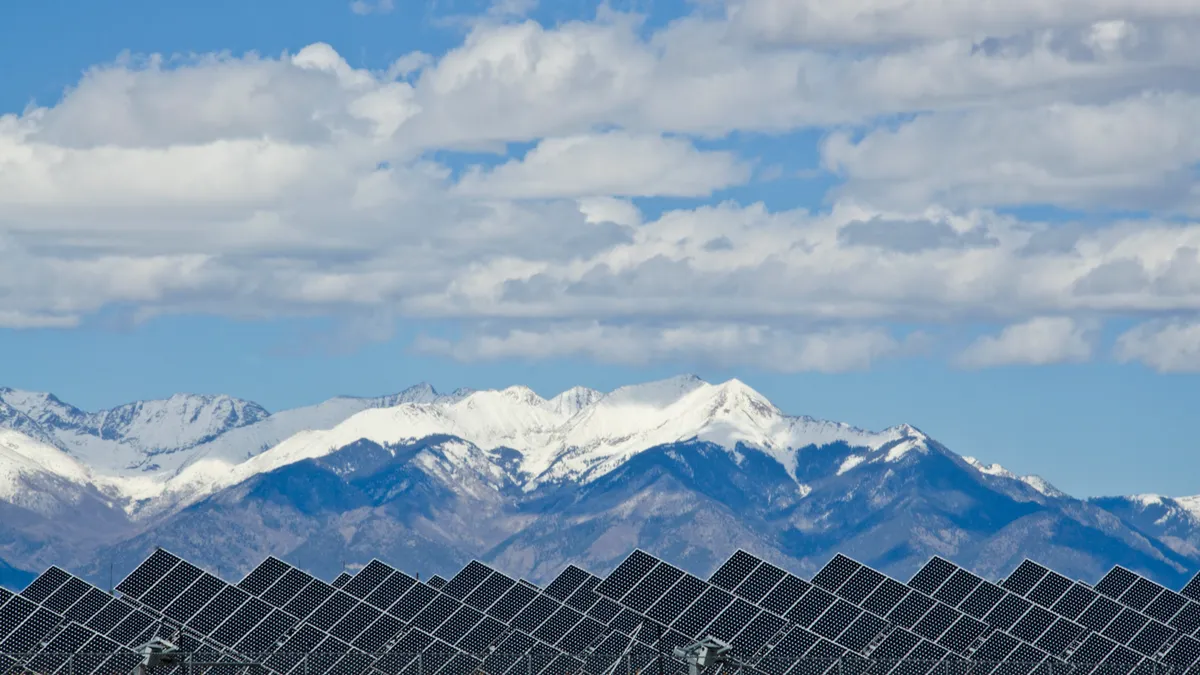
Entergy’s renewables pipeline is much smaller: around 800 MW approved and set to come online by 2028, plus 1.9 GW more pending regulatory approval. Most are standalone solar. One, Arkansas Cypress, is a hybrid solar and storage project that’s also by far the largest in the pipeline. The Cypress project will support a data center Google plans to build in eastern Arkansas under a special rate contract approved by regulators this past quarter.
Entergy expects regulators to decide on many of its proposed projects in the coming months.
According to Fontan and a recent Entergy presentation at a conference hosted by the Edison Electric Institute, Entergy has 11 GW of turbine reservations included in its near-term growth forecast and 8 GW reserved through “slot reservation fees” to accommodate potential future growth.
“If we sign incremental customers, whether that's data centers or traditional Gulf Coast industrial customers, we would turn those reservation fees into actual builds, but they would be supported by the revenues coming from the new customer,” Fontan said.
Entergy has taken proactive measures to address supply chain inflation, including advance contracting for a significant amount of the power island equipment it needs to build new thermal plants, Fontan told Utility Dive.
“We also have few positions for long lead items around things like breakers and transformers on the transmission side to help support that,” Fontan said. “You do see some cost volatility on the labor side as more companies are increasing their build.”
Editor’s note: Ethan Howland contributed to this story.