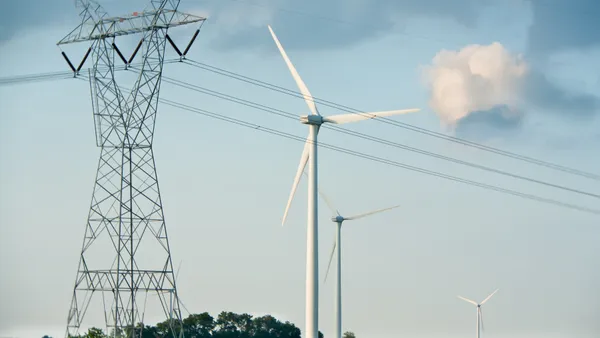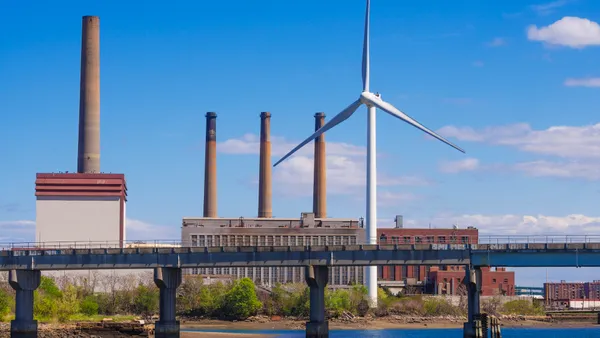
Global wind energy additions will total 160 GW in 2026, a “substantial” amount of capacity but also a 6% decline from last year, according to a new analysis from Wood Mackenize.
Global wind additions in 2025 were a record-breaking 170 GW, the firm said.
The slowdown is largely attributable to the end of a five-year development cycle in China, according to the consulting firm’s 2026 wind energy outlook. The United States “will remain the leader in single-market contributions outside China, as developers race to secure expiring incentives,” the report said. U.S. federal policies, however, will “curb” the buildout.
President Trump is openly hostile to wind energy, particularly offshore projects, citing reliability and security concerns. U.S. developers face “policy deadlines, tariff-driven cost pressures and shifting market dynamics,” WoodMac said. Under the One Big Beautiful Bill Act and updated Internal Revenue Service guidance, developers must start construction by July in order to qualify for production tax credits for projects targeting 2029-2030 commercial operation.
The U.S. is on track to add 46 GW of new wind capacity from 2025 to 2029, with total projected volumes unchanged quarter on quarter from previous forecasts, WoodMac said in December. “However, timing has shifted, as 2026 and 2027 will deliver significant gains, at 10.7 GW and 12.7 GW, respectively, as more assets advance through the development pipeline.”
U.S. wind installations in 2025 totaled about 7 GW, the firm said, a 36% increase over the previous year.
“Permitting risks will persist through 2026 and influence project buildout, with substantial projects canceled or inactive, many on federal lands,” according to WoodMac’s wind outlook. “Offshore wind faces additional difficulties from the Trump administration's stop-work orders, injecting uncertainty into a challenged sector.”
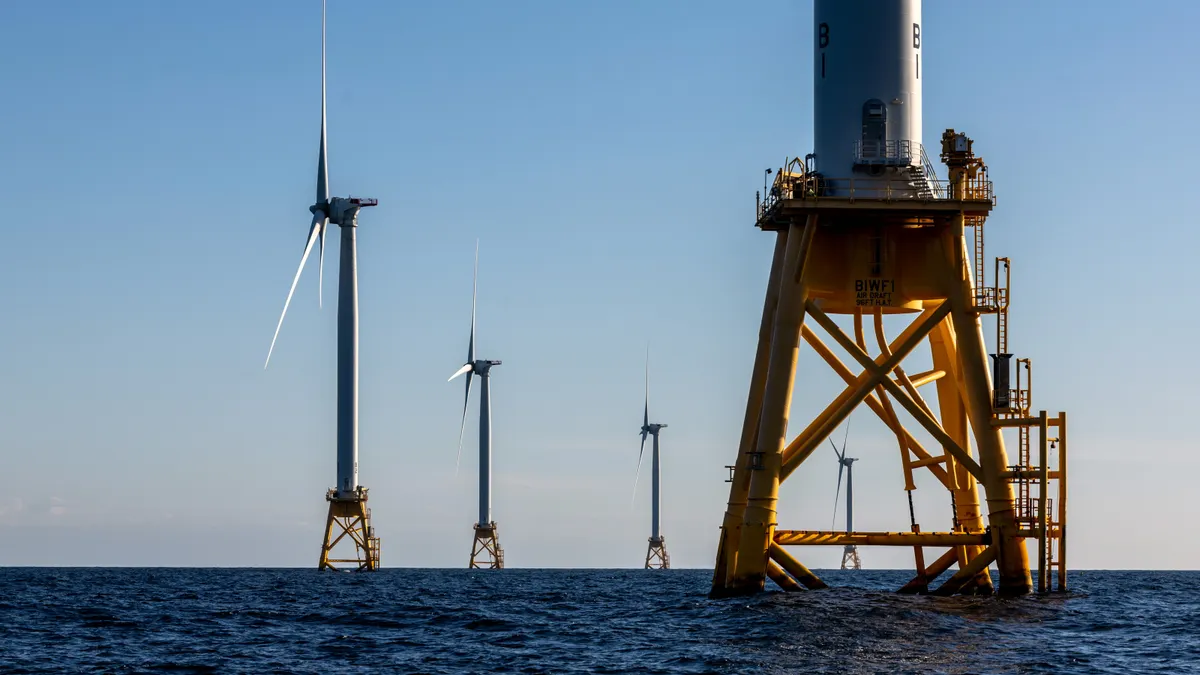
In China, WoodMac expects a “breakout year” for offshore wind. In the U.S., the Trump administration has sought to block development of offshore wind projects, with its ability to do so uncertain after recent court rulings.
The U.S. District Court for the District of Columbia on Thursday granted Empire Wind a preliminary injunction that allows construction activities to resume following a December stop-work order from the U.S. Department of the Interior. The 2-GW project is located offshore New York.
And on Monday, a federal judge granted Revolution Wind’s request for an injunction, for a second time, against a construction freeze issued by the Interior Department. The injunction allows construction on the 700-MW project to continue while the underlying lawsuit proceeds.
Revolution — a subsidiary of Ørsted and a 50/50 joint venture between Ørsted and Global Infrastructure Partners’ Skyborn Renewables — is almost complete and plans to serve Rhode Island and Connecticut beginning next year.