Yueqi Tian is a business intelligence analyst at Metergy Solutions.
Utilities are rapidly modernizing the way energy is generated, priced and managed. Distributed energy resources, dynamic tariffs and real-time grid analytics are no longer experimental — they are becoming standard practice. Yet one critical layer of the utility stack remains stubbornly static: residential billing.
In multi-unit residential buildings, billing still operates on monthly cycles, manual processes and simplified assumptions. When meter data is missing or clearly incorrect, utilities and billing operators still have to issue a bill. Waiting is rarely an option. Regulatory timelines, customer expectations and cash flow realities make billing continuity mandatory — even when the data is imperfect.
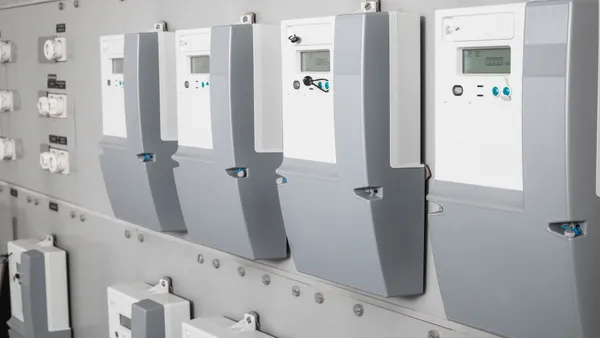
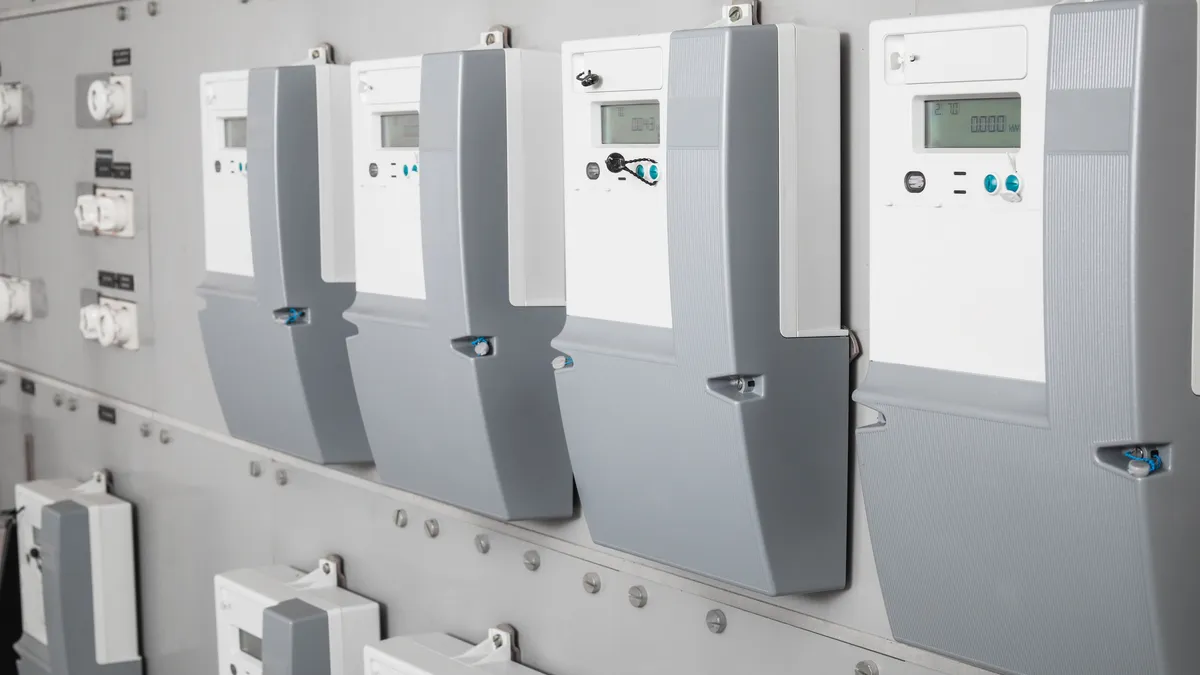
From my work at Metergy Solutions, I have seen this tension play out repeatedly. When a sub-meter fails, reports zero usage, or produces readings that clearly don’t reflect reality, the industry turns to estimates. The most common approach is to infer usage from comparable units within the same building — using averages from other studios or similar unit types to fill the gap. This practice is widespread, operationally defensible and often the only practical short-term solution.
But it is also limited. Static averaging assumes that similar units behave the same way, ignores seasonality and erases individual usage patterns. It keeps billing moving, but it does so by trading accuracy for convenience. Over time, these compromises accumulate into resident distrust, billing disputes and hidden financial leakage.
The deeper issue is not meter failure — it is the absence of intelligence in the billing layer. Modern energy systems are dynamic, but billing systems are still built on static rules. They look backward rather than learning forward. When discrepancies between main meters and sub-meters appear, they are treated as accounting problems instead of operational signals.
This is where learning-based approaches become not just useful, but necessary. Reinforcement learning and similar adaptive methods are designed to operate under uncertainty. They learn from historical behavior, seasonal patterns and contextual signals to make better decisions over time. In the context of billing, this means producing estimates that are grounded in reality rather than averages — estimates that improve as more data becomes available.
Intelligence alone, however, is not enough without timely data. Traditional billing systems often rely on monthly manual reads, which detect problems weeks after they occur. By contrast, automated meter polling — whether hourly or daily — changes the nature of the problem entirely. Missing data, stuck meters and abnormal spikes can be identified immediately, while discrepancies between main meters and sub-meters can be tracked as they emerge, not after bills are sent.
When combined, continuous data collection and learning-based reconciliation shift billing from a reactive process to a proactive one. Instead of spreading unexplained usage across all residents, systems can identify likely sources, apply context-aware estimates and clearly distinguish real consumption from inferred values. Transparency improves. Corrections become smaller and more defensible. Trust is preserved.
Accurate billing is often treated as a back-office function, but its impact is anything but minor. Billing errors undermine customer confidence, discourage conservation, and expose utilities and property managers to operational and regulatory risk. As energy systems become more complex, the cost of relying on static billing assumptions will only grow.
If utilities want billing systems that can keep pace with dynamic tariffs, distributed generation and real-world consumption behavior, they need to rethink billing as an intelligent system — not just an accounting exercise. Reinforcement learning is not a futuristic add-on. It is a logical next step in aligning billing with how modern energy systems actually operate.