Dive Brief:
- Public funding for energy efficiency faces an uncertain future in the Southeast, further pressuring residential and commercial customers in a region where electricity bills exceed the national average, officials from the Southern Alliance for Clean Energy said on Feb. 11.
- Most Southern states have suspended or delayed energy-efficiency rebate programs authorized by the Inflation Reduction Act as the U.S. Department of Energy slow-walks disbursements of already-obligated funding, the environmental nonprofit said last month in its seventh annual report on energy efficiency in the region.
- Duke Energy remains the Southeast’s “leader by default” with its Carolinas subsidiaries achieving annual efficiency savings near the 0.7% average of large U.S. investor-owned utilities, SACE said. The Tennessee Valley Authority, Southern Company and other large utility companies in the region lag far behind despite abundant, cost-effective opportunities for home weatherization, HVAC upgrades and industrial efficiency.
Dive Insight:
SACE’s analysis focused on the performance of utility-led energy efficiency programs rather than efficiency gains enabled by federal programs like Energy Star, SACE research director Maggie Shober told a webinar audience last week.
Nationally, the top-performing large utilities offset about 1.5% of annual retail sales through energy-efficiency programming, according to SACE’s analysis. Some do even better: DTE Energy (1.65%), Pacific Gas & Electric (1.7%) and Commonwealth Edison (3.02%) all exceeded that benchmark.
In contrast, SACE said that with the exception of Duke Energy Carolinas and Duke Energy Progress, utilities across the Southeastern Electric Reliability Corporation’s seven-state territory fall far short. Its figures show Georgia Power (0.39%), Dominion South Carolina (0.23%), TVA (0.14%), Duke Energy Florida (0.10%) and Florida Power & Light (0.05%) well below the national average.
“Our best performer regionally is an average performer nationally,” said Eddy Moore, SACE’s decarbonization director.
Moore and Shober said the contrast between Duke’s North Carolina and Florida operations shows the real-world impact of state energy efficiency regulation. Along with Georgia, North Carolina has a modern regulatory framework that pushes utilities to invest in energy savings, Moore said. With a weak resource planning process and a statutory efficiency framework that hasn’t been meaningfully updated since the 1980s, Florida is by contrast an “energy efficiency desert,” Shober said.
Shober said targeted demand reduction is all the more important in a region expected to see upwards of 2% annual load growth over the next several years.
If the Southeast’s current energy-efficiency trajectory holds, “these savings goals are just a tiny drop in the bucket compared to the load growth we are seeing,” she said.
Regional utilities expect data centers and other large industrial loads to drive much of the projected increase. They largely plan to meet new demand with capital-intensive investments in transmission, gas-fired generation and energy storage. Southern Company, for example, said in October that it sees more than 50 GW of possible large-load additions in Georgia, Alabama and Mississippi over the next 10 years. Georgia Power alone will need five new combined-cycle gas plants and 11 grid-scale battery installations totaling 10 GW, it said.
Under a July settlement with state regulators, Georgia Power’s authorized retail rate of return on equity will remain between 9.5% and 11.9% through 2028.
In its report last month, SACE said that settlement also saw Georgia Power backslide on a previous commitment to target 0.75% energy efficiency savings. The efficiency component of its 2025 integrated resource plan featured what SACE said was an excessive amount of customer rebates for a relatively modest efficiency gain. Regulators ultimately accepted a slimmed-down plan “that had never been shown to stakeholders and that largely maintained the status quo for energy savings,” SACE said.
Moore and Shober said utilities elsewhere in the United States provide a roadmap for their Southeastern counterparts, should they choose to follow it.
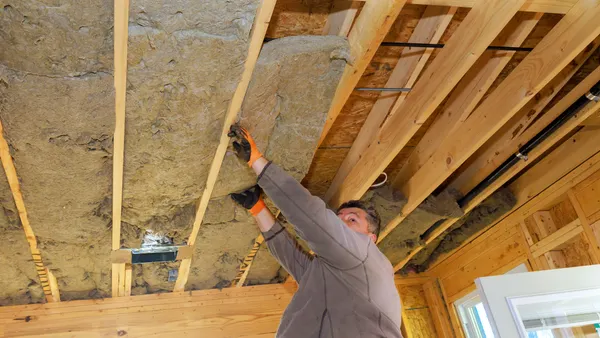
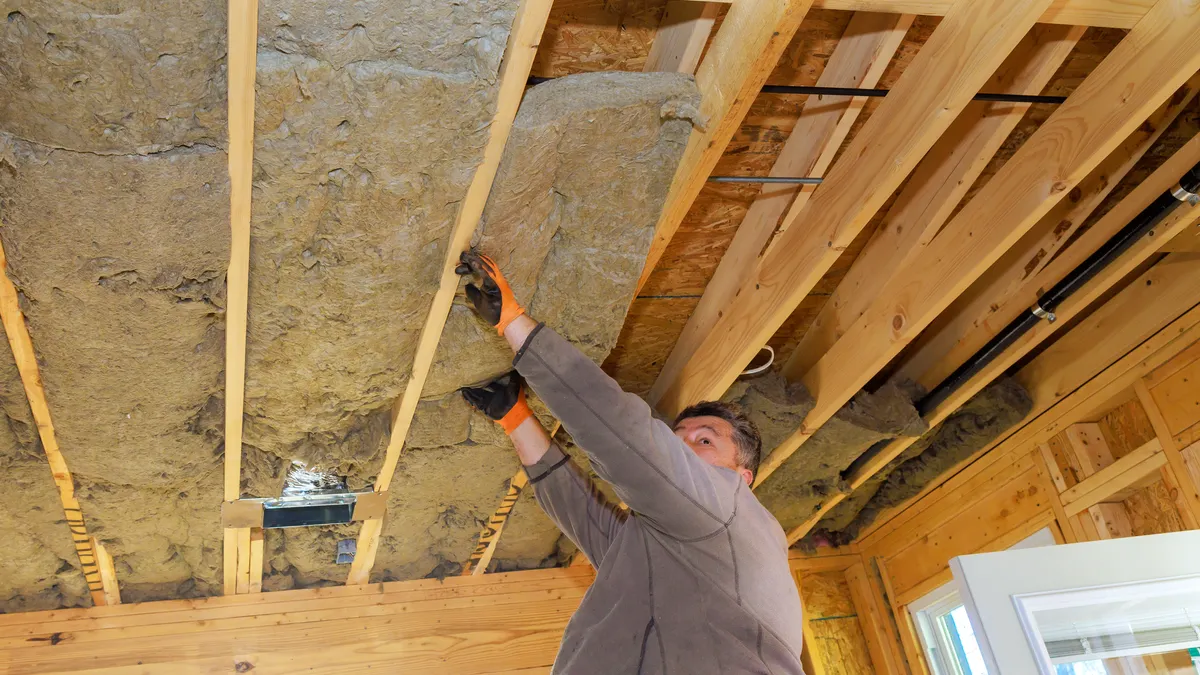
Weatherizing homes and sealing HVAC duct leaks could significantly boost energy efficiency at modest cost, SERC said. Entergy Arkansas — in a comparable climate zone just outside SERC’s territory — weatherizes about 7,000 homes per year, a potential harbinger of success for Dominion Energy South Carolina’s nascent low-income weatherization program.
And with residential and commercial customers carrying most of the energy-efficiency load across SERC, Moore said it’s time for southern utilities to end broad program exemptions for industrial customers.
“We are sort of fighting [with one hand] because we’ve left out the biggest energy users with some of the cheapest savings available,” he said.
Georgia Power and Duke Florida didn’t immediately comment.