Anna Adamsson is a project manager at Clean Energy Group, a nationwide nonprofit. Leslie Glustrom is a senior advisor to Clean Energy Action, a nonprofit based in Boulder, Colorado.
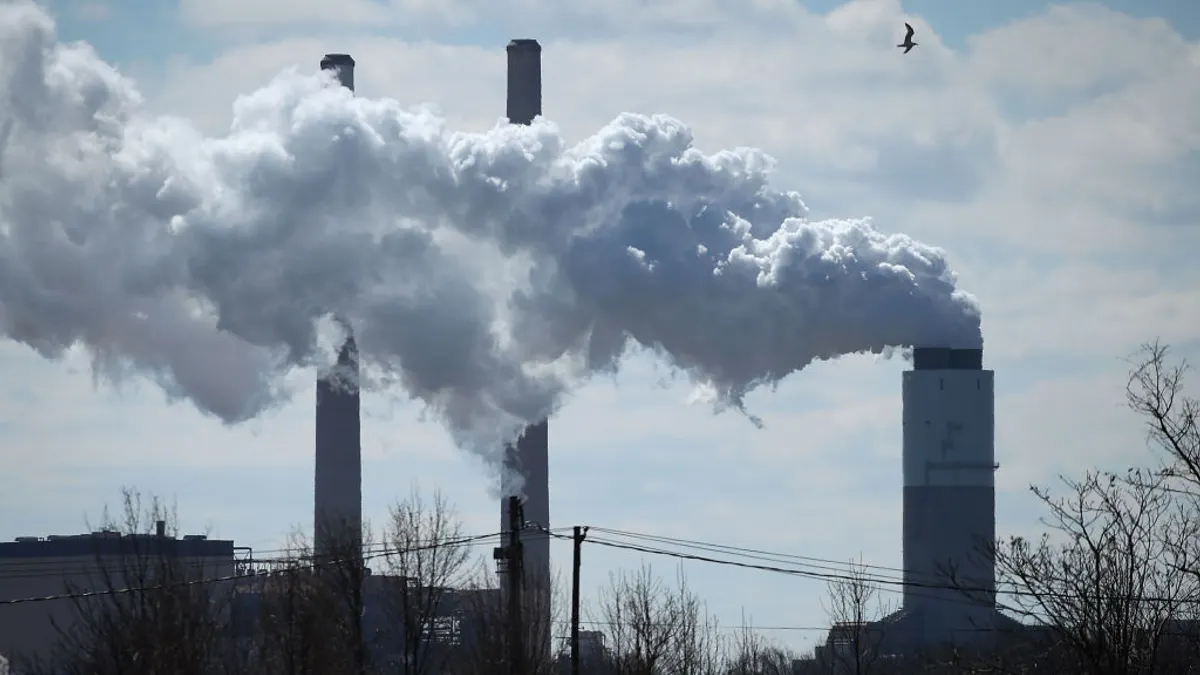
Colorado’s youngest coal-fired generating unit will not be producing power, or savings, for the state anytime soon.
The problems began even before the unit started up for the first time. Comanche Unit 3, the third unit installed at Xcel’s Comanche Generating Facility in Pueblo, Colorado, was supposed to begin operations in 2009, but leaking steam valves forced delays until July 2010.
Since then, the 750-MW unit has been offline for over a quarter of its lifetime. Energy costs have soared 45% higher than originally projected due to construction cost overruns and higher-than-projected operating and maintenance costs.
Comanche 3 is slated to retire by 2031, but still years after analysis first indicated that replacing the coal plant with new solar generation would be more cost effective. Instead of pivoting to a more economical renewable energy investment, Colorado continues to invest in the coal plant.
Because of this, the state has now delayed the retirement of the much older Comanche Unit 2, because Unit 3 suffered yet another unplanned outage last summer that is not expected to be fixed till June 2026, nearly a year after the incident.
Fossil fuels have been heralded as a reliable and necessary counterpart to intermittent renewable energy resources that only generate power when the sun is shining and the wind is blowing. However, this claim ignores growing evidence about the unreliable nature of coal. It also fails to recognize the role energy storage and demand response can serve in ensuring power is always available.
Instead of investing in the potential of low-cost clean energy combined with energy storage, the Trump Administration recently committed $600 million to postpone the retirement of aging, inefficient and expensive coal power plants across the country.
These coal plants are nowhere near as flexible and responsive to changing demands from the electrical grid as energy storage. Some of those coal plants also need repairs. In December, the U.S. Department of Energy ordered a 427-MW Colorado coal plant to delay its 2025 retirement, despite it needing expensive repairs to resume operations.
Colorado is not the only state where coal has become an increasingly unreliable source of energy. The youngest coal plant in the country will be offline for two years, depriving Texas of about 900 MW in operating capacity. Across the country, coal plants are offline for an average of 12% of the year due to maintenance or unexpected outages.
In fact, a 2023 analysis by Energy Innovation, a clean energy think tank, found that just one out of 210 coal plants operating across the U.S. was more cost-effective to run than to replace with new solar, wind or energy storage.
The environmental, public health and economic costs of coal are carried by the public. Comanche 3 cost over $1 billion to build and emits up to five million tons of carbon dioxide a year. Coal plants emit many other harmful air pollutants, including sulfur dioxide, nitrogen dioxide, particulates, acid gases and many heavy metals including mercury, arsenic and lead. These plants also consume millions of gallons of water a day and produce large quantities of toxic coal ash.
Xcel Energy has made hundreds of millions of dollars in profit from burning coal in the 21st century while polluting the environment and wreaking havoc on public health.
While the current federal administration may prefer “big beautiful” coal plants, solar, wind and energy storage are better for the environment, public health and ratepayer pocketbooks.