Katherine Hamilton is the interim executive director and Isaac Brown is the incoming executive director of the Thermal Battery Alliance.
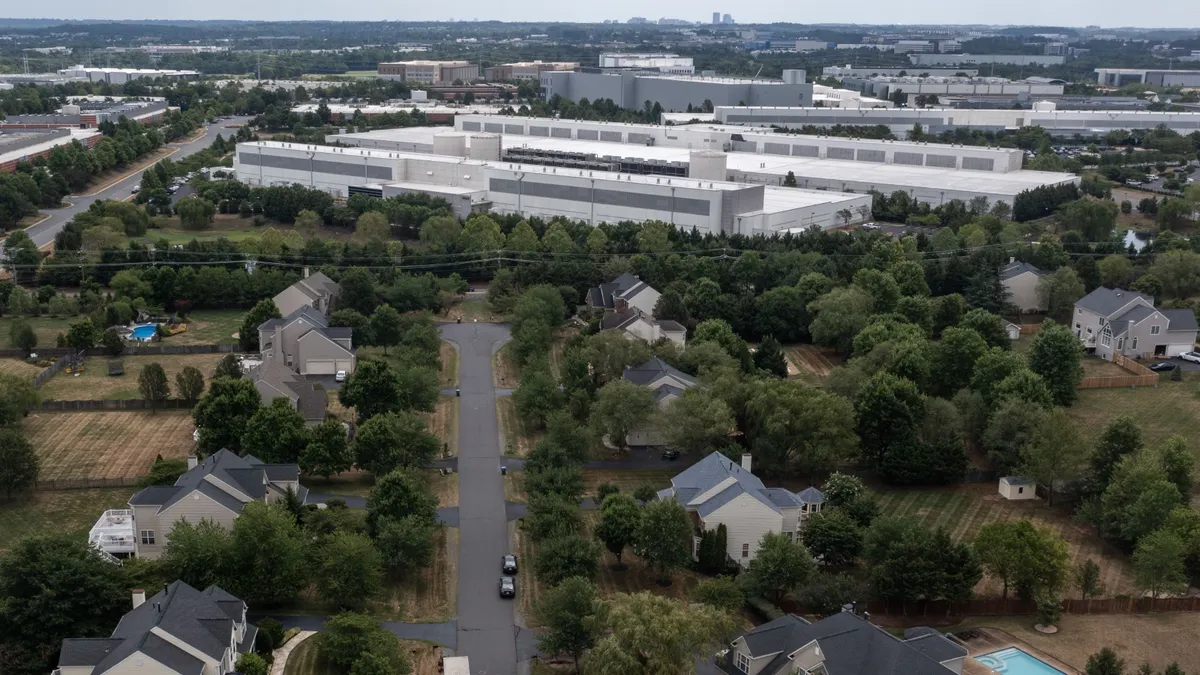
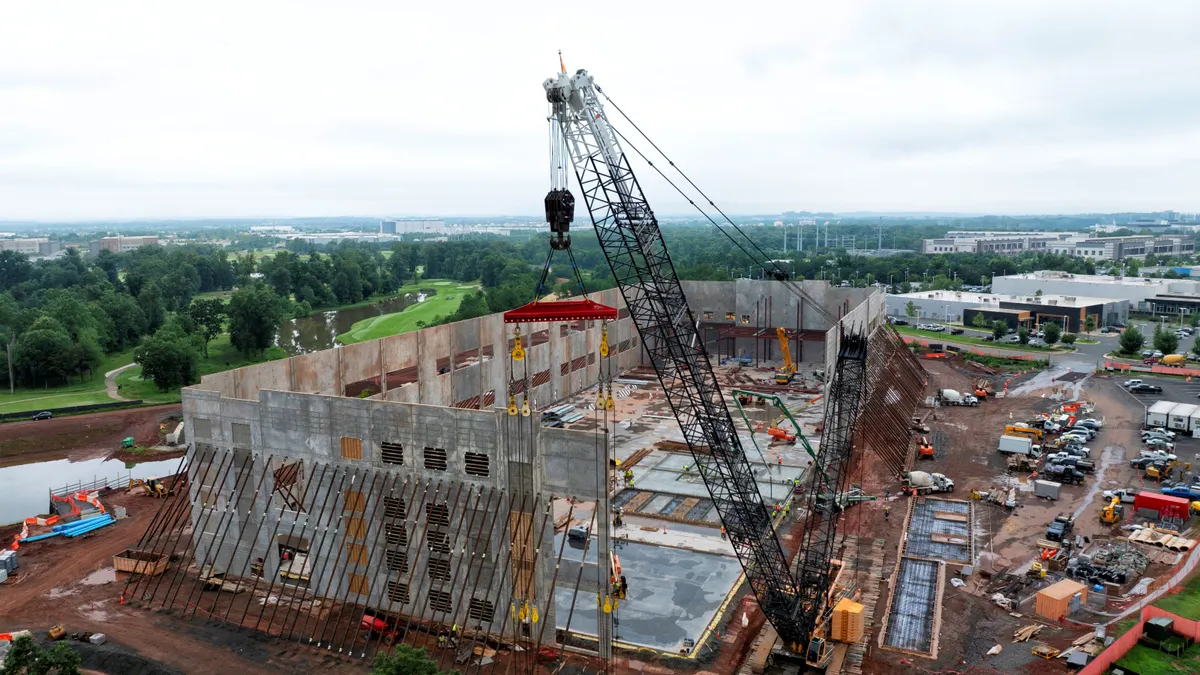
America’s electric grid wasn’t designed for what’s coming. Projections show electricity demand growing at an unprecedented pace, driven especially by surging data center and artificial intelligence loads — data center demand alone could more than double over the next decade.
This puts our energy system at an inflection point. Without key reforms at the state and federal level, brownouts and grid strain could become more common, impacting everything from homes to factories.
But with the right policies, new, flexible technologies like thermal batteries could help us meet this moment, making energy more affordable and reliable for everyone on the grid.
Right now, most industrial users draw electricity as they need it, creating spikes in demand that stress aging infrastructure. It’s a one-way system in which factories consume power and the grid struggles to keep up. In the residential sector, home batteries have already changed that equation, storing electricity during off-peak hours and using that energy when demand is high. Thermal energy storage brings that same flexibility to industry.
Imagine a typical stretch of the Midwest, where data centers are adding new loads the size of entire cities. Nearby, a large food processing factory is exploring traditional options to electrify, which typically draw electricity at all hours, regardless of grid conditions. Instead, it installs thermal batteries that charge flexibly when electricity is cheap and deliver reliable, cost-effective industrial heat.
The result: lower operating costs, expanded factory operations and no contribution to grid peaks. By charging only when demand is low, the plant makes better use of existing grid infrastructure and helps grid operators manage growing load volatility. It’s a win-win: We can power American manufacturing and improve grid reliability.
But to unlock these benefits at scale, we need to modernize the rules of the road for U.S. electricity markets.
Thermal batteries can lower costs and strengthen the grid
Today’s grid is strained by aging infrastructure, long generation queues and inflexible loads from data centers and industry. Electricity demand is expected to grow more than 2% annually over the next decade, and data centers alone could consume 6% to 12% of U.S. electricity by 2028, up from about 4% in 2023, according to the Department of Energy.
Thermal batteries offer a paradigm shift: they charge quickly and flexibly, consuming electricity only about one-third of the time while delivering dispatchable, 24/7 industrial heat. By drawing power when it is cheapest and least valuable to the grid and storing it for very long durations, they cut costs and stabilize supply.
For manufacturers, thermal batteries are a drop-in solution that unlock abundant, low-cost energy, boosting competitiveness and securing long-term energy supply.
For grid operators, they electrify large industrial heating loads without raising demand peaks, making better use of existing infrastructure and avoiding costly new transmission or generation buildout.
The result? A more efficient and resilient system with lower energy bills for everyone.
Modernizing legacy electricity rules
U.S. electricity markets were built around static loads. A few common-sense updates would unlock the benefits of flexible technologies, cut costs and strengthen the grid.
Electricity market access
Traditional batteries can buy power at wholesale rates, but thermal batteries that sell heat to industry cannot.
Instead, they pay retail rates that ignore time and location, precluding thermal batteries from economically charging when it’s valuable to the grid. This leaves U.S. manufacturers at a disadvantage, shutting them out from accessing the gigawatts of cheap power that are at their doorstep.
State regulators can fix this by approving tariff structures that pass through wholesale electricity costs, while Congress can clarify that purchase of electric energy for thermal or electric energy resale qualifies as a wholesale transaction under the Federal Power Act.
Grid fees and interconnection rules
Transmission and distribution rules and fees are too often designed around outdated assumptions and inflexible loads. These fees are often fixed or poorly differentiated, ignoring the unique ability of thermal batteries to charge when the grid has excess capacity.
For thermal batteries to make better use of existing infrastructure and lower costs across the system, these charges should reflect actual system costs caused by new projects.
Grid congestion already costs Americans more than $20 billion per year in higher wholesale power prices. Flexible technologies like thermal storage could help reduce these costs by using existing infrastructure more efficiently.
When thermal batteries compete, ratepayers and U.S. industry win
Thermal batteries are being deployed today. Unfortunately, outdated electricity market rules in some places can hold them back, resulting in inefficient markets and higher costs for everyone.
A bold but achievable electricity market reform agenda that exposes thermal batteries to real-time market signals would help the U.S. realize the full value of this homegrown innovation.
With fair rules, thermal batteries can help stabilize the grid, lower system costs and strengthen America’s manufacturing base and AI infrastructure. Doing so would unleash some of the most powerful tools available to our grid while driving down energy costs for industry and households alike.