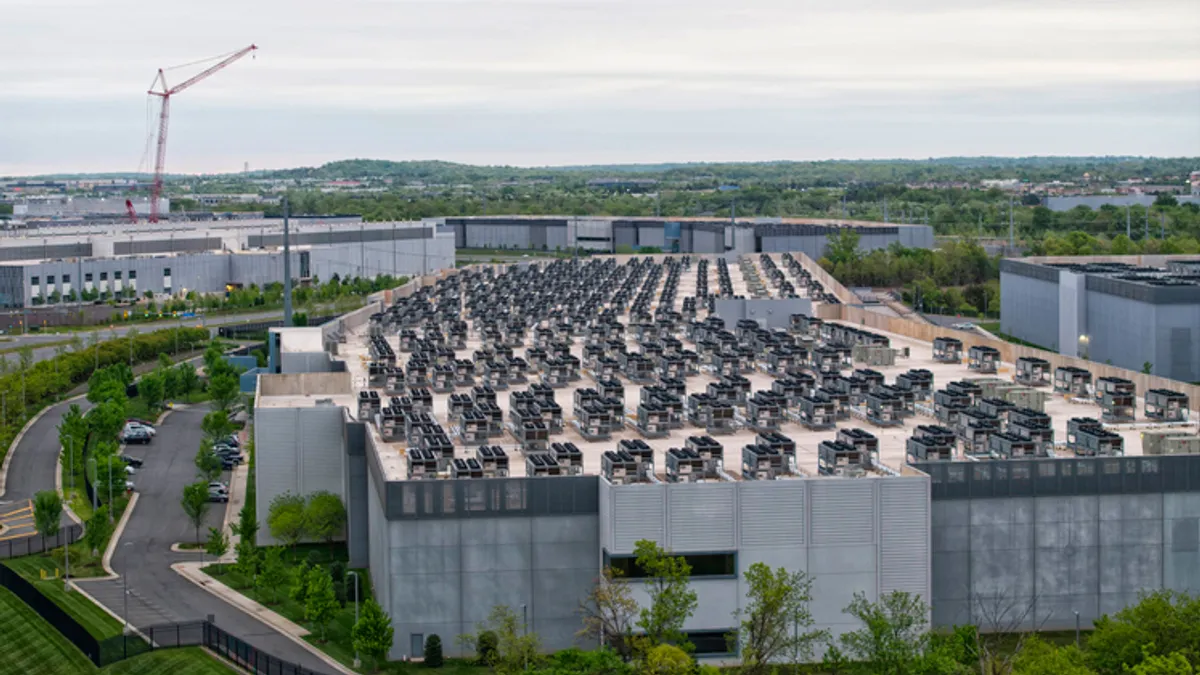
The data centers being planned and built across the U.S. need a massive amount of electricity, and utilities are racing to build new generation and grid infrastructure to meet unprecedented demand growth — driven in significant part by these large load customers — while coming up with contract structures that protect their other customers.
But several factors are working against utilities as they seek to manage risk, experts and industry sources say, potentially leaving them and their ratepayers or members vulnerable to stranded investments.
The electric power industry works on planning horizons of decades, while most of the data center demand surge associated with artificial intelligence arrived in November 2022 with the public release of ChatGPT, which was followed by rapid technological advancements in the field.
The load profile of these AI data centers is fundamentally different from earlier data centers and other industrial or commercial loads. They would be hard to replace once their presence has been written into utility planning. At the same time, the ever-evolving nature of both AI and the hardware it runs on makes it difficult to predict how much power data centers may need in the future.
Many have compared the possibility of an AI bubble to the dot-com bubble that burst around the year 2000.
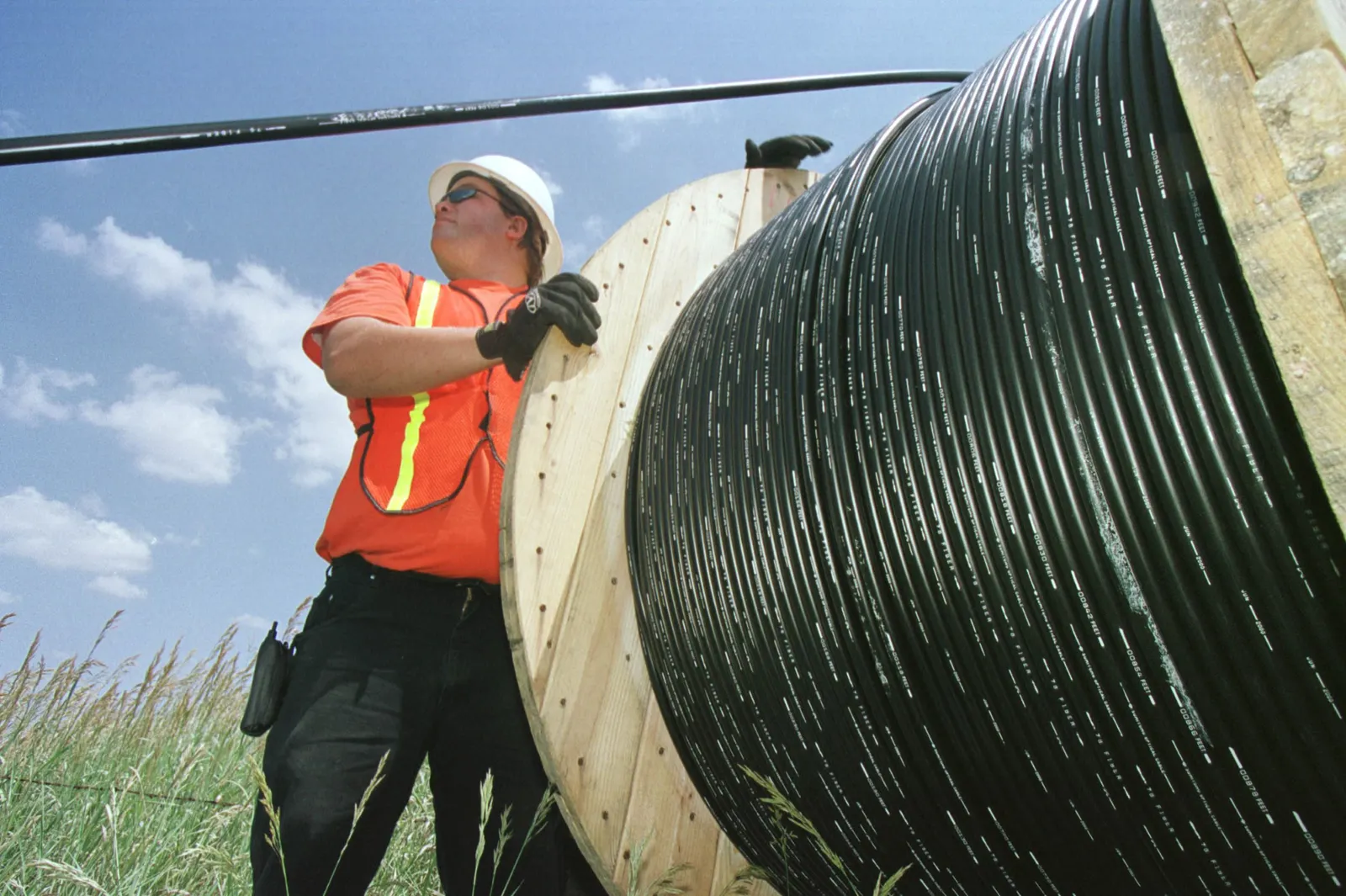
However, the legacy of that crash — millions of miles of abandoned fiber-optic cable, or “dark fiber,” later tapped to power data-intensive applications like AI — has no good analogue to the current moment, said Advait Arun, senior associate for energy finance at the nonprofit Center for Public Enterprise.
“It's still not exactly clear what you could do with [data center] assets in, like, a dark GPU situation,” Arun said. “With fiber optic, the Internet was still a thing, and it was the infrastructure on which you could build newer websites or new service models. But it's not really clear what the future of the inference services industry looks like, simply because we have all of these competing companies with fairly identical services.”
“This is a business model that hasn't exactly proved it can generate revenue or have a stable core to its demand,” he added.
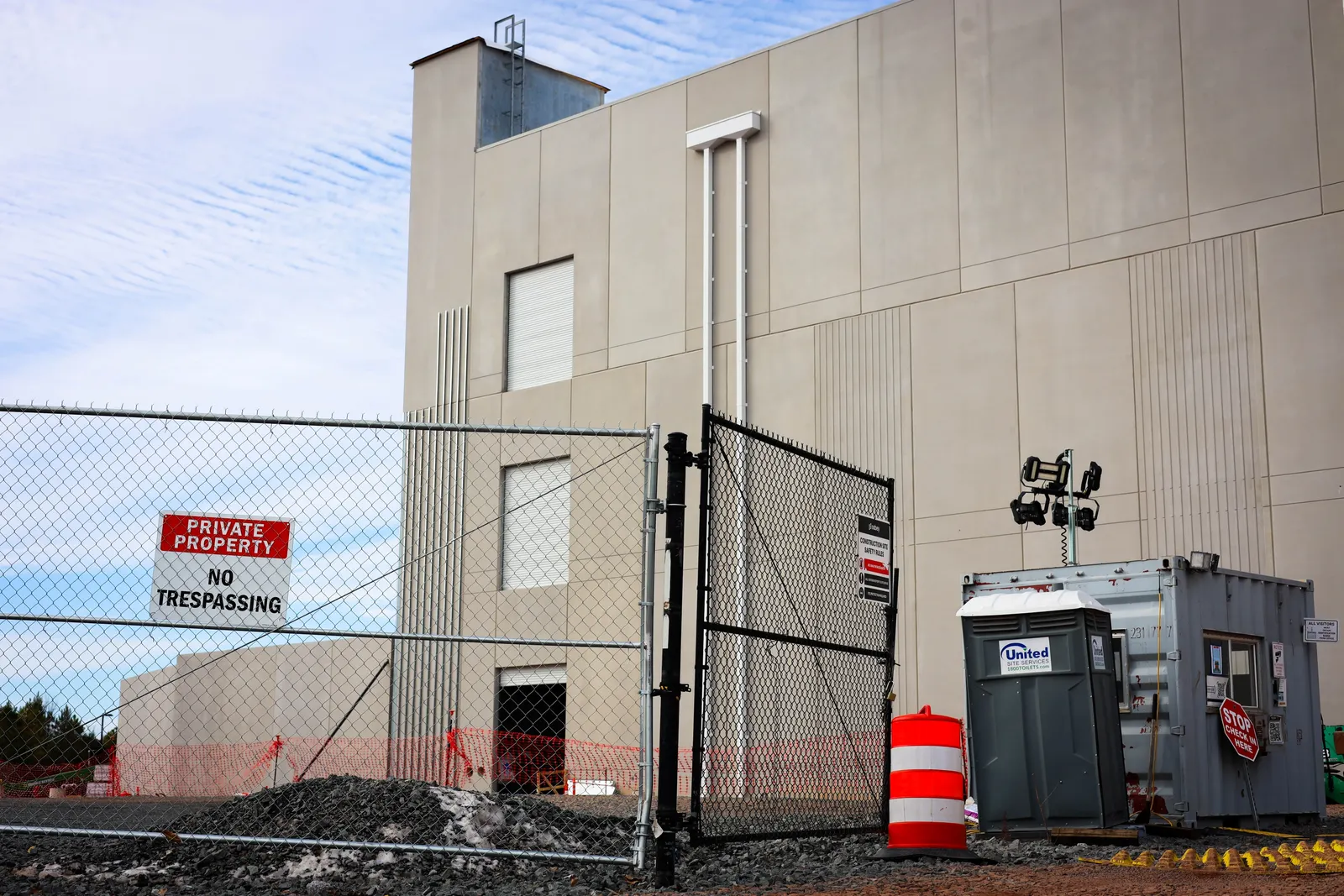
Arun examined the issue of GPU depreciation in a November paper for CPI, in which he wrote that neocloud companies like CoreWeave, which often provide GPU capacity to hyperscalers like Google, are “disproportionately exposed to the risk of falling asset values — but this risk is a threat to the whole sector.”
In the event of any crash or market correction that reduces demand for inference services, neoclouds “are definitely most at risk,” Arun said, along with any data centers that they're going to be building.
“These companies will almost certainly have a much worse time than the leading cloud service providers,” such as Google, Microsoft and Amazon, he said.
One of the biggest risks of a significant increase in large load customers is simply the credit risk they pose, said Scott Engstrom, chief customer officer at GridX.
“Who’s on the other side of signing up for, say, $100 million a year of minimum payments?” he said. “You have to be confident that the counterparty is going to be around for the period of time that they are committed to recover that infrastructure investment. That’s a way that this can go wrong — somebody goes into bankruptcy, they go out of business, they lose funding, whatever it is.”
Engstrom said that when it comes to hyperscalers like Google, Meta or Amazon, “you certainly feel very good that they are going to have a lot of money 10, 15 years from now. Could the world change? Obviously.”
The increasingly circular nature of the inference services industry also poses challenges for utilities that are trying to get a clear picture of demand and manage risk.
“Is there the potential for market correction? Yes, absolutely.”

Daniel Farris
Partner at Foley & Lardner
There are “reasonable concerns” about the interconnected nature of some of the investments, said Daniel Farris, a law partner at Foley & Lardner who works on data center and energy contracts.
“The chip manufacturers are investing in neoclouds so that they can go secure data centers that are backstopped by those chip makers, so that they can turn around and spend money that they receive from the chip makers to buy chips from the chip makers,” Farris said. “Is there the potential for market correction? Yes, absolutely.”
In the CPI paper, Arun noted that CoreWeave’s growth trajectory “may not be sustainable if its two key revenue sources — Microsoft and NVIDIA, over 70% of CoreWeave’s revenues — do not meet their payment commitments,” and that CoreWeave is “on the hook for over $56 billion in data center lease payments, which will last around 10 years.”
‘We don't really have anything else that could take up that space’
Gas and nuclear are two of the most sought-after solutions for data center energy demand, but a supply chain crunch is stretching out the timeline for new gas generation to at least several years, and new nuclear can take even longer.
“Data center demand is hard to project over the next few years,” Arun said. “In a market correction, it's very possible the data centers that have promised to pay for these [combined-cycle gas turbine plants], that can no longer pay for them, will end up crashing out of their tariff arrangements, and the utilities will cut these gas plants from their [integrated resource plans].”
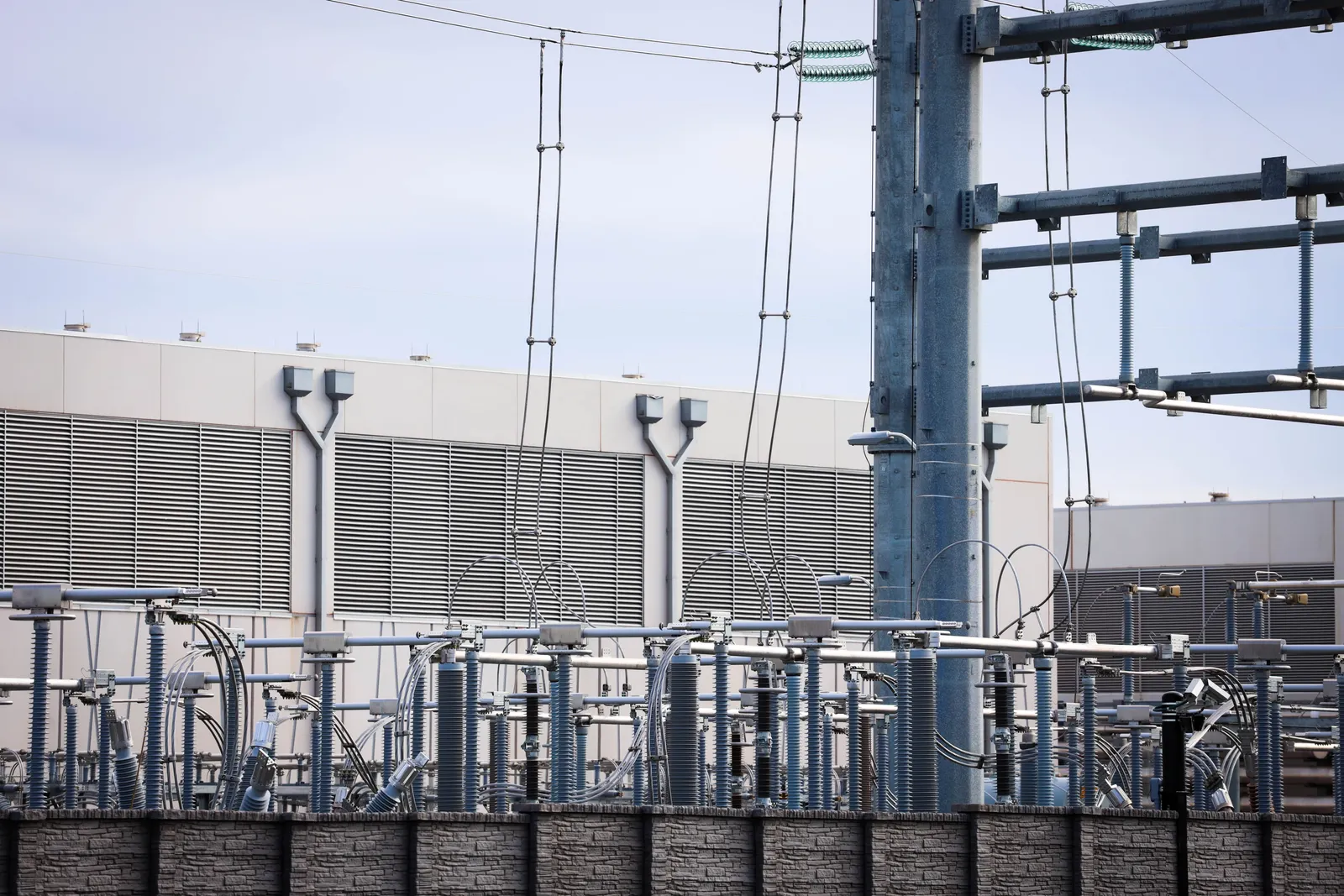
In the event of a market correction that leaves data centers “unbuilt but in possession of those rights for the land interconnection, that's basically hundreds of megawatts worth of interconnection that is now not being used — maybe up to a gigawatt, if that gigawatt data center gets built,” he said. “And we don't really have anything else that could take up that space.”
Farris noted that “everybody in the industry expects there to be something of a power cliff” — in other words, a lot of the available dispatchable power has largely already been “acquired or secured by most of the hyperscalers, neoclouds, data center operators, and so renewable energy is still a source people are looking to.”
A big factor in determining power sources “is going to be the consistency of the power to keep up with these AI loads, which are still somewhat chaotic,” he said. “They're not as well-balanced as more traditional CPU kind of loads.”
GPUs, a more advanced type of processor than a CPU, are essential to AI workloads, and can individually draw up to 700W. They also have a tendency to generate unforeseeable energy spikes when running those workloads, sometimes called AI power bursts. Data centers can house tens to hundreds of thousands of GPUs.
Not all data centers contain GPUs, but all of them contain servers, which themselves “use a lot of electricity just because of the sheer number,” said Christopher Tozzi, a technology analyst and senior lecturer at the Rensselaer Polytechnic Institute in Troy, New York. “I don't really see a way to mitigate that issue. There are ways of trying to make server components a little more energy efficient, but they're already pretty energy efficient.”
Servers, with or without GPUs, also use a lot of electricity for cooling. More energy efficient technologies for cooling exist, Tozzi said, but they are more expensive, and he doesn’t see pressures in the market that are likely to drive down the cost.
“My overall sense is that the data center industry right now is more focused on the idea that energy itself will become cheaper and more abundant and that will solve their energy problems, as opposed to trying to find ways to make data centers more energy efficient,” Tozzi said.
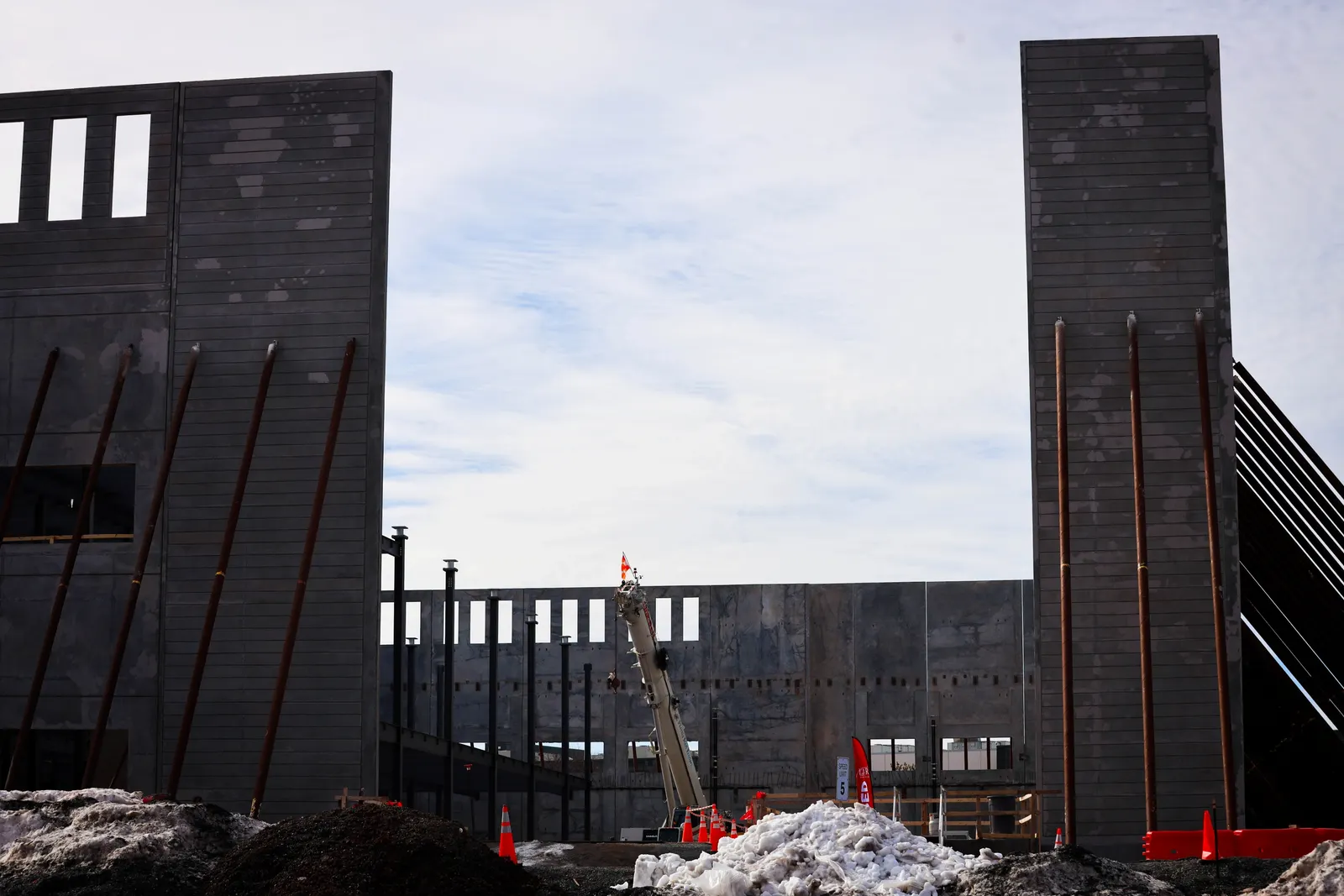
Before the public release of ChatGPT, Farris noted, hyperscalers like Microsoft, Amazon, Google and Meta were very focused on improving efficiency and sustainability in their facilities.
“Since we've had the last three-ish plus years of the arms race for securing power and creating these much larger [high-performance computing] data centers, some of that has gone by the wayside as everyone's just trying to secure power,” he said.
“But I think you'll have a return to that strategy over time,” Farris added. “We're seeing public opposition to data centers, and that’s for a variety of reasons, one of which is certainly sustainability. And there are definitely folks pushing for cleaner power, so that helps to support renewables.”
Arun said he anticipates that solar and storage, which are significantly cheaper to build than new gas plants, “will likely stay on IRPs and will stay in the queue, regardless of what happens to data centers.”
“Not just because electrification and demand growth is still happening at a lower rate even without data centers, but also, these are just cheaper and better for the ratepayers’ balance sheet,” he said. “I think utilities will want to avoid, at all costs, burdening ratepayers with assets that a large load customer is no longer able to pay for.”
Large load tariffs, bring-your-own-capacity models gain traction
Utilities are increasingly using methods like large load tariffs and long-term contracts, sometimes with take-or-pay clauses, to manage the risk of connecting data centers to the grid. A December analysis from Enverus Intelligence Research found that three dozen utilities have adopted new-large load tariffs, with several geared specifically toward data centers, and the group expects that trend to continue.
In July, American Electric Power’s Ohio utility introduced a load study tariff and began to charge between $10,000 and $100,000 to look at large load proposals, which it said slashed its large load forecast from 30 GW to 13 GW — though the Ohio Manufacturers’ Association says the utility is still inflating its forecast.
“Utilities are able to impose lockout fees and create large load tariff structures for these interconnections. And I think that will help rationalize for the rest of the system the kind of demand that we're actually expecting.”
Advait Arun
Senior associate for energy finance at the Center for Public Enterprise
Dominion Energy, which serves the Northern Virginia area of high-density development called Data Center Alley, got approval from the State Corporation Commission in November to create a new GS-5 rate class, which starting on Jan. 1, 2027, will require data centers and other customers over 25 MW to sign 14-year contracts and pay a minimum of 85% of contracted distribution and transmission demand, along with 60% of generation demand.
“A company like Dominion is actually much better poised than a lot of other utilities, because they're in a vertically integrated territory where they've always been handling almost all parts of the grid process,” said Arun. “And in the process, they’ve developed the full stack of experience for understanding interconnection requests, for dealing with all different kinds of load classes.”
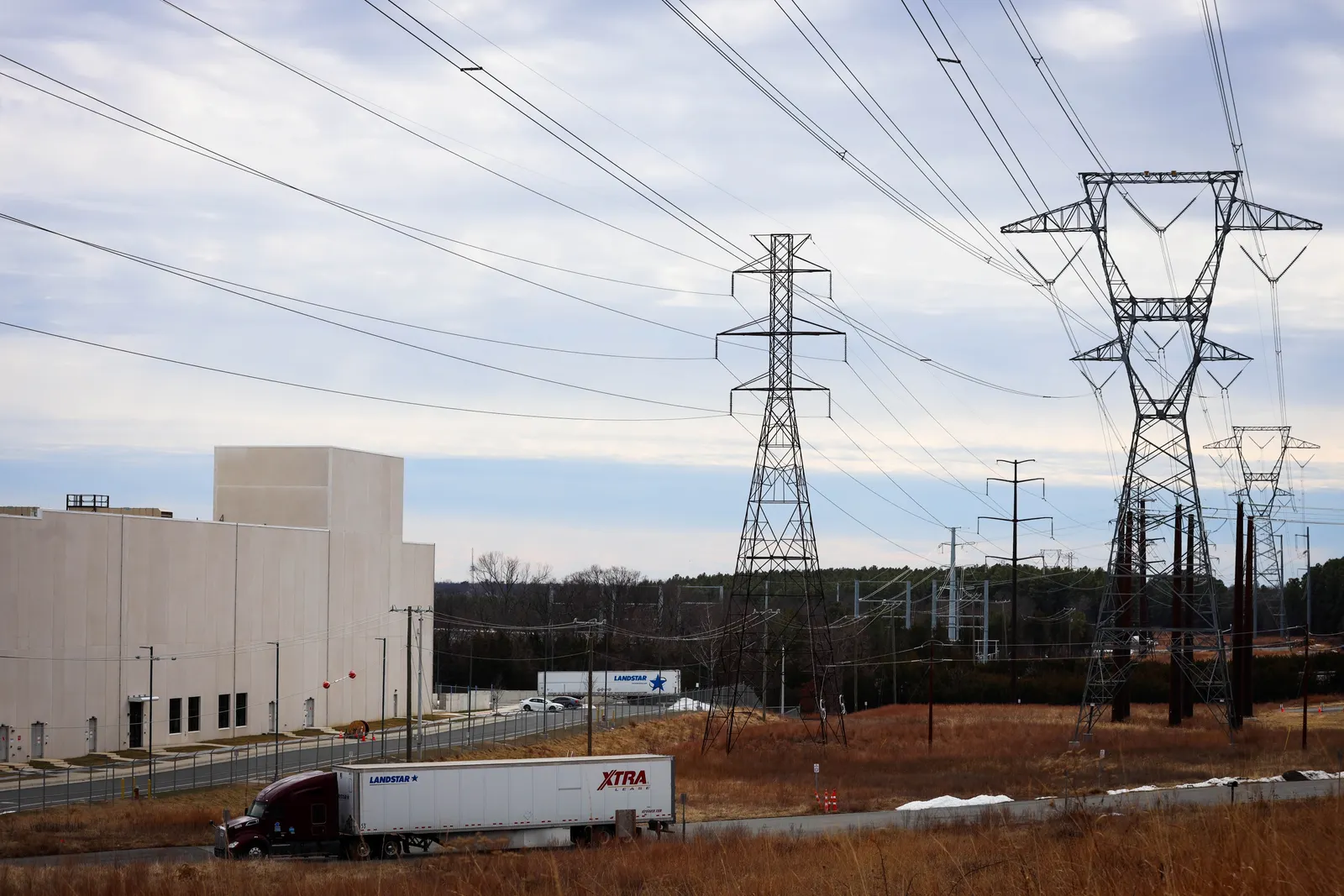
Smaller co-op utilities, Arun noted, generally lack this kind of experience. Those utilities — along with municipally owned utilities — have a different risk profile, Engstrom said, “because their customers are the shareholders.”
“If we think about the worst-case outcomes, the utility signs up with one of these customers who has a lot of money today, and they agree to pay these terms, and then any of these bad events happen, and the counterparty’s unable to pay,” Engstrom said. “Let's say that the gap there is $100 million or $500 million — is that the responsibility of the other customers, or is that the shareholders for the utility?”
Some small utilities “have talked about how the volume of what they're delivering to the data centers might literally double their size," he added.
One such utility is the Northern Virginia Electric Cooperative, which operates in parts of Data Center Alley and doesn’t own generation but purchases wholesale electricity through the PJM Interconnection.
In a January 2025 article in the Prince William Times, Gilbert Jaramillo, the co-op’s vice president for power supply, told the newspaper that by 2032, data center customers are expected to account for more than 95% of NOVEC’s energy sales. Jaramillo described this as “very concerning” but a “great opportunity for the rest of the membership as well.”
Since then, Dominion has entered talks to purchase NOVEC, Bloomberg reported in November. Dominion and NOVEC are already intertwined, as Dominion's transmission services are tied to NOVEC's substations dedicated to data centers.
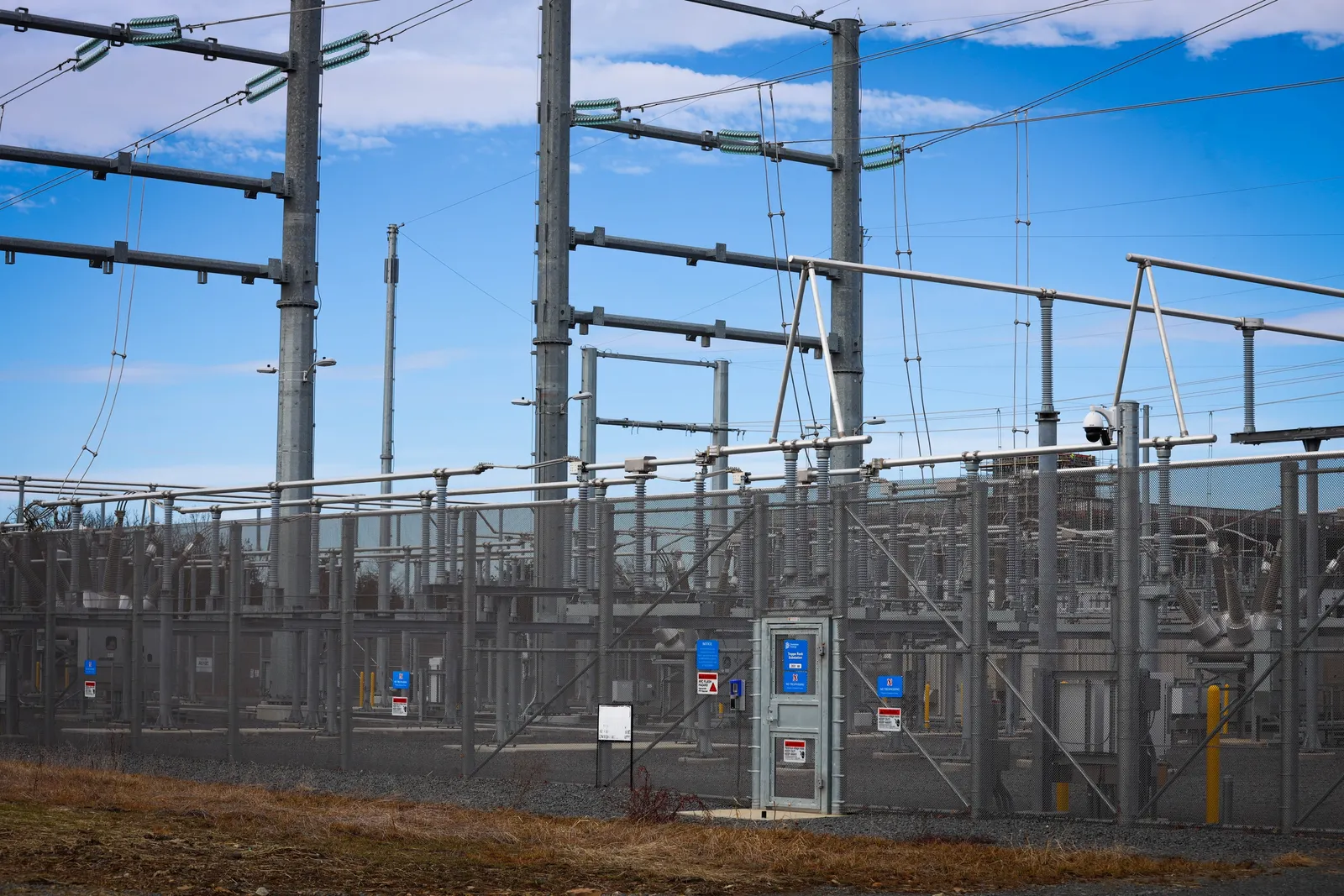
The success of the bring-your-own-generation model for meeting data center demand is also influenced by the utility’s structure, Engstrom said.
“In some states, that works well where the utilities don't own the generation, at least in terms of negotiating with the utility,” he said. “In the states where they're still vertically integrated, that can create some conflict.”
In some ways, utilities hold significant power, Arun said, because “the growth of the power sector is the ultimate constraint on the actual realization of this bubble.”
“Utilities are able to impose lockout fees and create large load tariff structures for these interconnections,” he said. “And I think that will help rationalize for the rest of the system the kind of demand that we're actually expecting.”