Lawmakers in Indiana and Virginia last week passed bills that aim to encourage the addition of generation or storage resources at power plants that have spare interconnection capacity — a pathway for bringing capacity online quickly.
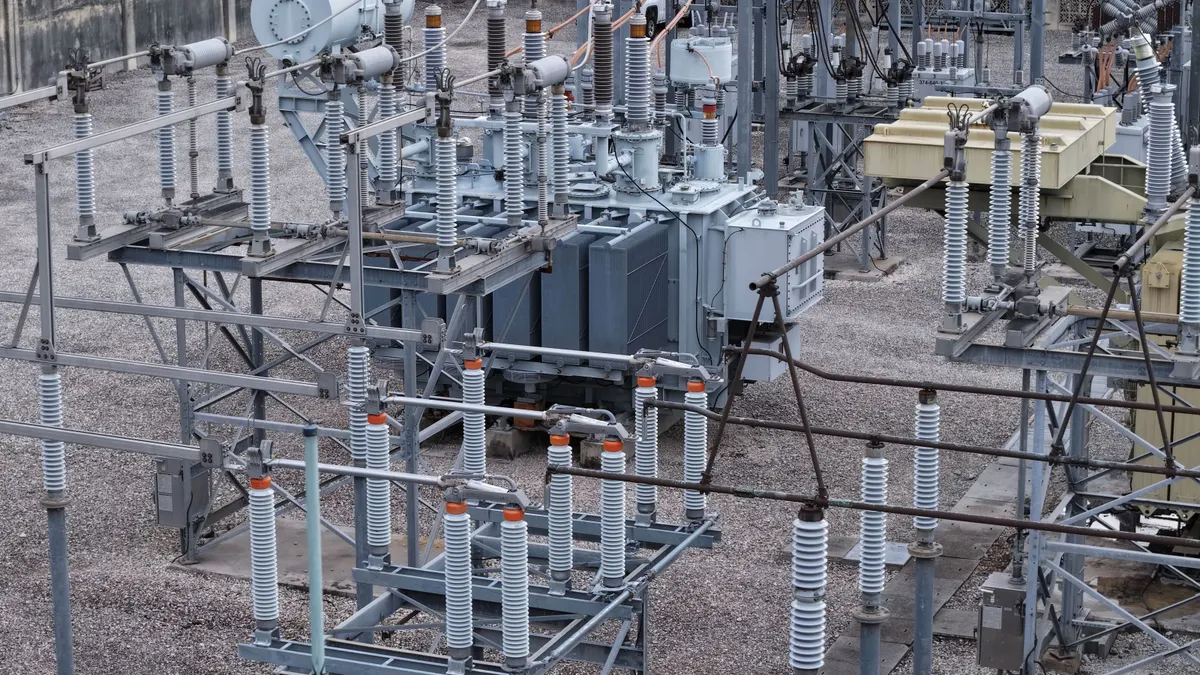
Surplus interconnection service, or SIS, allows a new generator or energy storage system to connect to the grid at a power facility's existing interconnection point, using that asset's available interconnection rights.
Grid operators study SIS requests outside their normal interconnection reviews. The SIS review process typically takes less than a year compared to years for a standard interconnection review.
“This is an attractive avenue for policymakers because it provides an entirely separate path to get new energy sources online,” said Jenny Netherton, an officer on the Pew Charitable Trusts’ energy modernization project.
Also, SIS maximizes the use of existing utility infrastructure and typically leads to “brownfield” development at existing power plant sites, Netherton said in an interview.
Besides faster interconnection, SIS can have sharply reduced interconnection costs compared to a project that needs new interconnection rights, according to a 2024 report from Synapse Energy Economics.
As an example, a solar project in Kansas required $333.42/kW in interconnection costs while a nearby SIS solar project faced $0.71/kW in interconnection costs, according to the report.
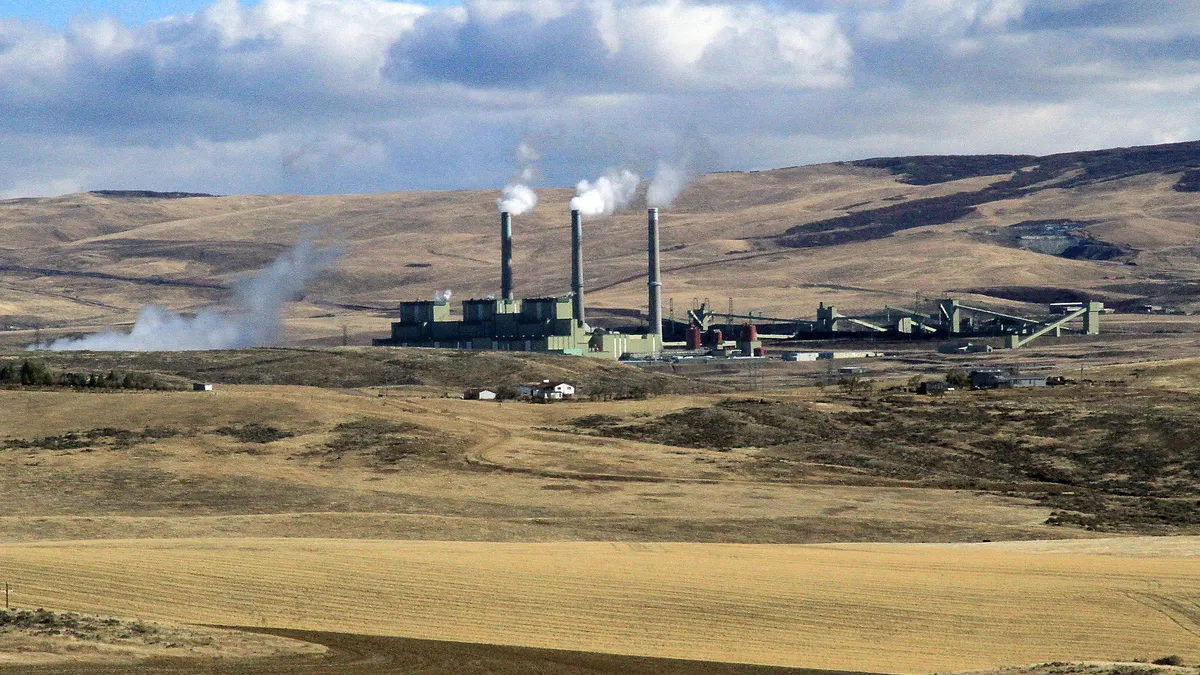
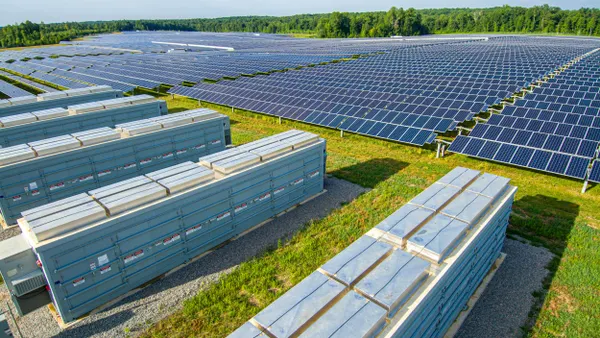
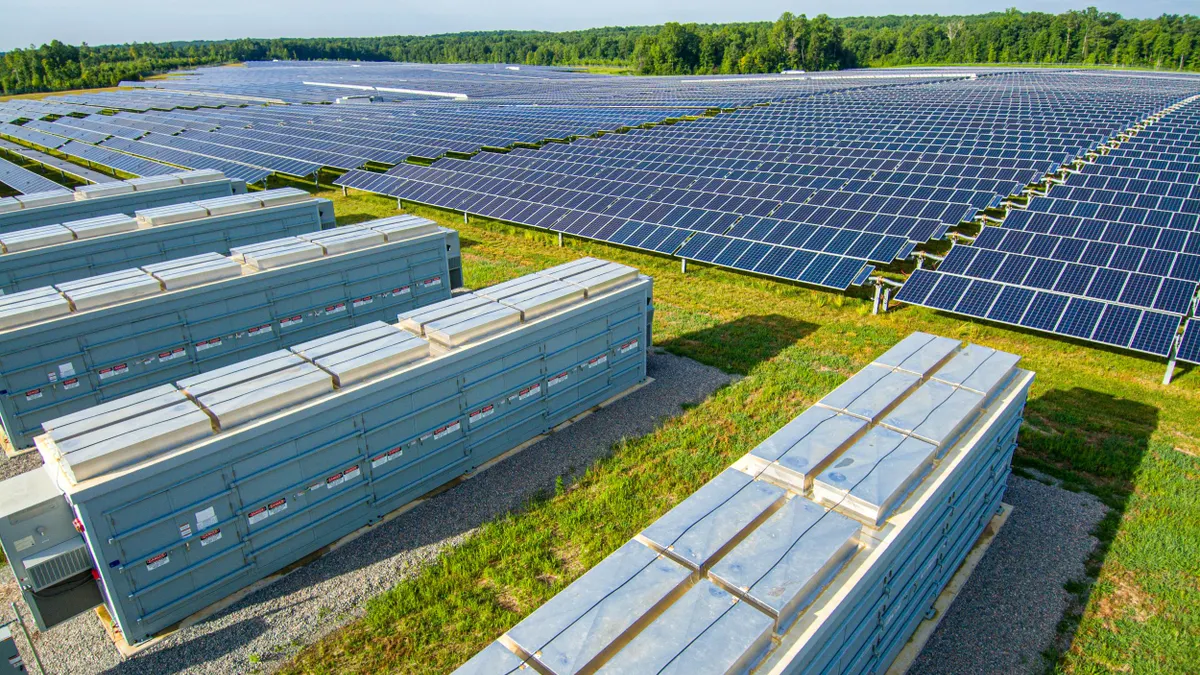
The opportunities for thermal and renewable plants using SIS are different, Netherton noted. Solar could be added at the site of an infrequently used gas-fired peaker plant, allowing the combined facility to deliver power daily, she said. Or energy storage can be added to a wind or solar farm, turning it into a dispatchable resource with a higher capacity value, she said.
The moves by the states come as grid operators are trying to get more generation online in the face of growing electric demand. While some grid operators, like SPP and MISO, have robust queues of surplus interconnection projects totaling gigawatts, the country’s largest grid, the PJM Interconnection, is lagging behind. Now, states that fall within PJM’s footprint are seeking to pass laws that could force the matter forward.
Virginia, Indiana bills pass
The Virginia Senate on Thursday passed the Facilitating Access to Surplus Transmission (FAST) Act, a bill that requires Appalachian Power and Dominion Energy Virginia to assess how much interconnection capacity is available at their existing and planned intermittent generating facilities.
The bill, which passed the Virginia House earlier last month, also directs the utilities to establish pilot programs for energy storage resources and solar facilities that use surplus interconnection service, including a request for proposals.
In Indiana, SB 240 cleared the Senate on Wednesday after passing the House — both on unanimous votes. The bill requires the state’s utilities, such as Northern Indiana Public Service Co. and Indiana Michigan Power, to analyze the potential for SIS to meet immediate needs for capacity and energy at their power plants and file that information in their integrated resource plans.
Also, starting in 2030, petitioners seeking permission from state utility regulators to build, buy or lease a power plant must analyze the use of SIS as an alternative to the project and describe to what extent the new facility will make use of, or allow the use of, SIS.
“This will help build momentum around surplus interconnection in PJM,” Miles Farmer, a partner at the Roselle law firm, said. “The states focusing on their utilities and making sure that the utilities are also exploring this opportunity makes a lot of sense.”
Similar legislation is pending in Maryland. That proposal would direct the Maryland Energy Administration to study the state’s potential for SIS. The MEA must share the study results with data center developers to encourage the use of surplus interconnection, according to a summary of the bill.
“Surplus is a really good tool in the toolbox,” Farmer said. “It's not the fix to everything. But it definitely can be important.”
Robust SIS in SPP, MISO, PacifiCorp
Grid operators in some parts of the country have robust SIS review processes.
The Southwest Power Pool is studying 74 SIS requests totaling about 10,000 MW, according to its generation interconnection queue. The projects under review are mainly battery storage, but also include 14 thermal projects that total 2,175 MW.
Last year, the Midcontinent Independent System Operator received more than 70 surplus interconnection requests — the most it has ever received in a calendar year — totaling nearly 8,000 MW, the grid operator said in a Feb. 13 proposal at FERC that seeks to fine tune the grid operator’s SIS review requirements.
Currently, MISO is studying 72 potential SIS projects totaling about 8,960 MW, according to its generator interconnection queue. Those projects, nearly all battery storage, include a combined 1.5 GW from Entergy Arkansas, 1.15 GW from Northern States Power–Minnesota, an Xcel Energy utility, and 400 MW from Duke Energy Indiana.
In the West, PacifiCorp is studying 36 SIS requests totaling about 5,260 MW, mainly battery storage, according to its surplus queue. Those projects include about 1,090 MW of solar PacifiCorp is considering adding in Wyoming.
PacifiCorp last month asked FERC to approve surplus large generator interconnection agreements that would add 300 MW of battery storage to the 300-MW Hornshadow solar farm owned by D.E. Shaw Renewable Investments in Emery County, Utah.
PJM lags on SIS
PJM, the largest U.S. grid operator, reformed its SIS process last year, but the change has yielded few results so far.
Since 2023, PJM has received 14 SIS requests, according to a Nov. 24 presentation from the grid operator. At the time of the presentation, PJM had approved two of the requests, with an agreement issued to one of them and was negotiating an agreement with the other. PJM didn’t respond to a request for comment.
PJM’s lack of traction adding surplus interconnection capacity comes as the grid operator has been warning that it faces power supply shortfalls amid growing demand forecasts.
In its last capacity auction, PJM failed for the first time to acquire enough capacity to meet its reserve targets. Last year, it created a one-time, fast-track interconnection process in an effort to spur power plant development.
An analysis released in August by University of California, Berkeley, researchers found that PJM could unlock about 150 GW of new supply by using surplus interconnection.
There has been an uptick in interest in SIS in PJM among developers, but the rules are more favorable in markets like MISO, according to David Mindham, director of regulatory and market development for EDP Renewables North America.
“If you have an existing wind or solar park and you want to add storage, you can get a higher accredited capacity out of that [in MISO,]” he said. “There's more value to it there than in PJM.”
EDP is always considering how to optimize its projects and is considering SIS opportunities in PJM and MISO, he said.
One challenge in PJM, according to Roselle’s Farmer, is that a project must have a single owner to be eligible to participate in the capacity market. That requirement makes it hard for a developer to add a new project to an existing one because it would have to renegotiate off-take terms or financing terms for the existing project to become a single entity, Farmer said.
“It's essentially not workable at all,” he said. “Most developers are going to encounter big, big issues under the PJM structure.”
In MISO and SPP, SIS projects receive a capacity credit, but from a market perspective are treated like they're separate projects, according to Farmer.