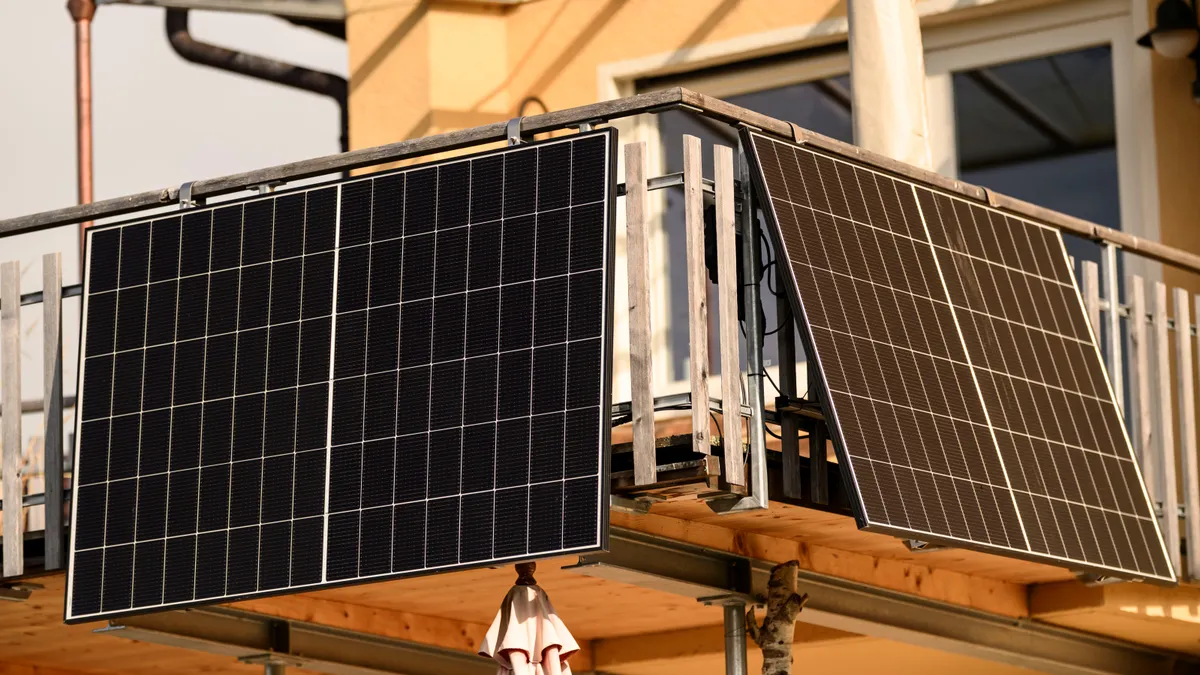
Both chambers of the Virginia legislature have approved a measure to allow plug-in solar devices to be used without requiring approval from a utility, sending the legislation to the desk of Gov. Abigail Spanberger, D, who is expected to sign it.
“Balcony solar was on a short list of the Governor’s energy affordability priorities,” the Chesapeake Climate Action Network Action Fund said in a Wednesday release. “The Governor’s administration repeatedly spoke in favor of the measure in committee.”
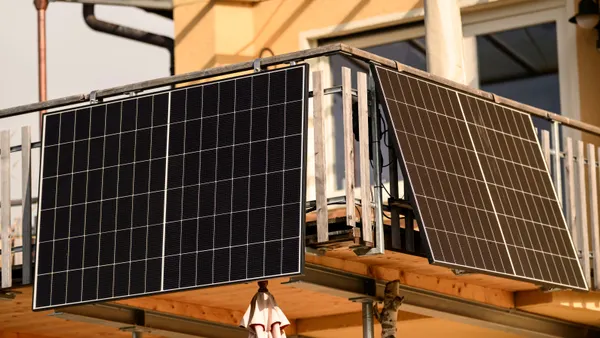
The measure previously passed the Virginia House of Delegates before passing the Senate on Wednesday with a unanimous 96-0 vote. The bill allows Virginia residents to plug in a “small portable solar generation device” with a maximum power output of 1,200 watts at a single premise.
Under the legislation, no utility can impose interconnection requirements, charge a fee related to the device, or require that the customer secure the utility's approval before installing or using the device.
Tony Smith, president and founder of Secure Solar Futures, said in an email that the legislation’s passage reflects “a growing shift toward ‘permissionless’ customer-generated solar energy that benefits all ratepayers, particularly tenants,” and signals “yet another small step towards a broader transition in Virginia’s energy economy, from its historic reliance on coal toward solar and battery storage.”
If Spanberger signs the legislation, Virginia will become the second state in the U.S., after Utah, to approve balcony solar, and 30 similar bills have been introduced in other state legislatures, NPR reported Thursday. Some legislation is facing opposition from utilities, who have cited reliability and safety concerns, NPR said.
Dominion Energy Virginia was not immediately available for comment.
The bill summary stipulates that customers using a plug-in solar device must ensure that the device is prevented from exporting power to the grid “or from affecting the electrical system of the building during a power outage,” and that “no investor-owned utility, municipal utility, or electric cooperative shall be liable for any damage or injury caused by a small portable solar generation device.”
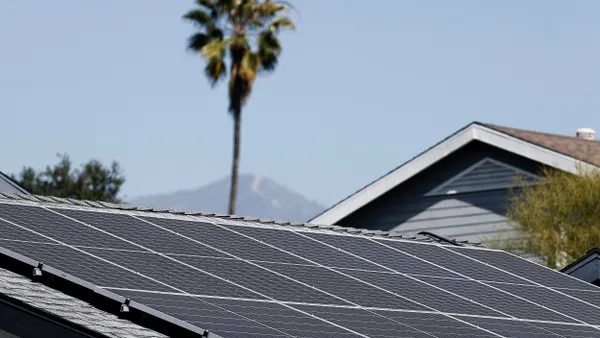
“While they cannot power the household’s entire energy needs, the systems can moderately lower the need for purchasing electricity from the grid, thereby reducing energy costs,” the Chesapeake Climate Action Network Action Fund said. “The legislation comes at a time when many Virginians are facing all-time high energy bills associated with a recent rate hike and cold snap, as well as grid congestion costs associated with data centers.”