Jesse Cohen, Mark Dyson and Lauren Shwisberg are colleagues within RMI’s Carbon-Free Electricity practice.
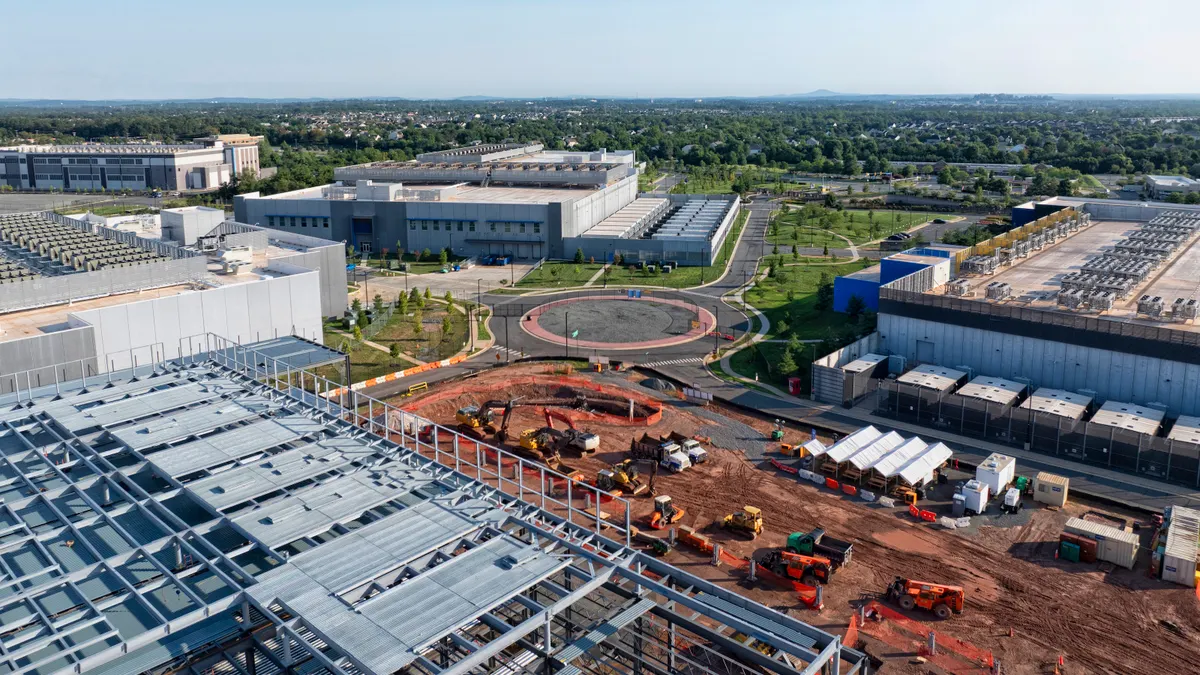
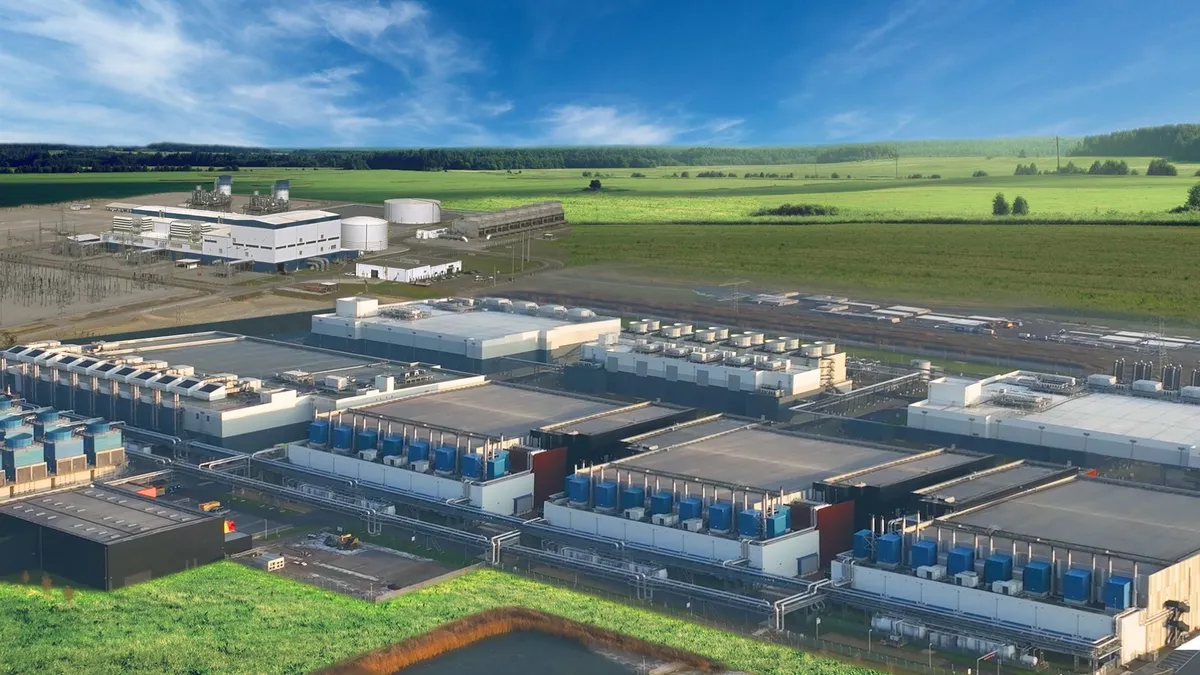
These days, it seems every power sector conversation leads back to data centers. Their boom is fueling electricity demand projections we haven’t seen in decades — with some forecasts suggesting nationwide demand could double by midcentury. Getting the power online to support this growth is no easy task, with projects stuck in interconnection queues that can stretch for years.
That’s if we can even get our hands on new power supply. A backlog in gas turbine deliveries and the limited availability of emerging options like geothermal and advanced nuclear power means the hunt for alternatives is urgent.
Fortunately, a solution already exists — one that can add fast, flexible capacity without building new gas plants or other major infrastructure. Virtual power plants, or VPPs, can meet rising demand in months rather than years.
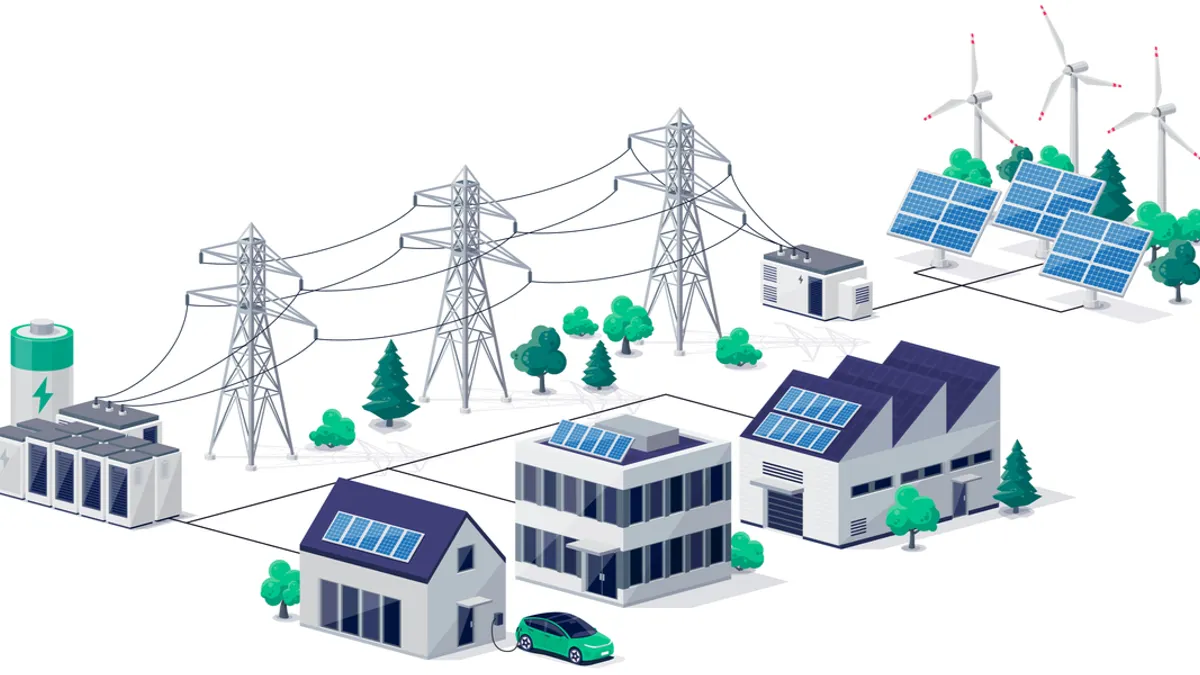
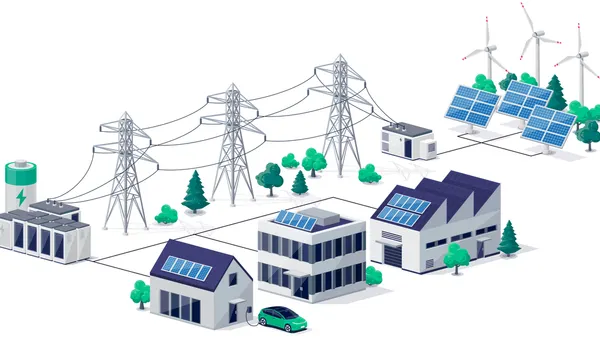
VPPs are grid-integrated, dispatchable aggregations of distributed energy resources such as batteries, electric vehicles, smart thermostats and other connected devices. Despite the futuristic name, VPPs are already in use across the country. According to the U.S. Department of Energy, roughly 30 GW of VPP capacity is deployed today, with potential reaching up to 160 GW by 2030. That would be enough to cover about 20% of peak demand.
From grid edge to center stage
For VPPs to reach their full potential, more investment will be needed. Data center companies — which are set to invest close to $3 trillion in American infrastructure by 2030 — could be the perfect group to boost this market.
Done right, data center-funded VPPs could deliver broad benefits: data centers get faster, lower-cost power; utilities get flexible tools for planning smarter grid growth; the VPP industry gets the capital it needs to scale; and communities benefit from new distributed energy resources that deliver bill savings and resilience.
Reaching the scale required to meet soaring load growth will require new commercial models that let VPP providers, data centers and utilities efficiently share risk and unlock capital quickly. In our new policy brief, How Virtual Power Plants Can Help the United States Win the AI Race, we outline three:
Model #1: Data center-funded, utility-managed VPPs
In this model, a data center funds a utility-operated VPP — either directly, by sponsoring a project, or indirectly, by contributing to the utility’s demand-side management budget. In return, the utility grants the data center expedited interconnection.
Think of it as an evolution of the green tariff. In a traditional green tariff, the utility bundles electricity and renewable energy credits to match a customer’s load. Applied to data centers, the bundle could include a third attribute: speed-to-power.
This model works well where utilities want to retain control over planning and operations while tapping data center capital.
Model #2: Flexible ‘capacity credits’ for VPPs
Here, the utility or market operator first answers a question: Every time we add a megawatt of VPPs, how many megawatts of new demand can we support? The answer to this question determines the “capacity credit” that VPP owners can sell to data centers. Data centers can then bring this capacity credit back to the utility or market operator to get a faster interconnection.
The key advantage of this model is that it creates a new market linking VPP deployment to data center interconnection. This could allow for faster scaling than a model based on the utility facilitating contracts directly between data centers and VPP owners.
Calculating the capacity credit and verifying the VPP performs as needed are real challenges. However, we think that they are solvable, as utilities and market operators already do similar analyses to credit conventional power plants in capacity markets and integrated resource planning.
Model #3: VPPs as reliability reinforcements
In the last model, the utility or grid operator establishes a flexible interconnection agreement with a data center that has made an investment in a VPP.
Under a flexible interconnection agreement, a utility allows data centers to connect faster if they agree to reduce their grid demand during specific hours. Most flexible interconnection concepts assume that flexibility would come from other solutions, like load curtailment or onsite generation. But offsite flexibility — contracted through VPPs — could provide the same reliability benefits, often for a fraction of the cost.
The policy unlock
Once we have the commercial models, we’ll need regulatory innovations that match their scale of ambition.
First, faster interconnection will be essential for data centers and other large loads to fully leverage VPPs’ speed and flexibility. Some regions, like Oregon and the Southwest Power Pool, are addressing this issue by piloting fast-track interconnection reviews when large loads and generators submit joint applications.
Second, to capture VPPs’ full value, regulators, utilities and market operators can promote integrated planning. VPPs can serve many purposes — from deferring upgrades to real-time balancing — but only if utilities and markets coordinate their planning and share the data developers need to target their investments.
Finally, policy must protect other customers. Several states are already designing large-load tariffs to prevent cost shifts, allowing users to bring their own generation or requiring minimum usage payments, long-term contracts and exit fees to reduce stranded-cost risks.
The energy future — distributed, democratized and digitized — is already coming into view. With smarter business models and the right regulatory support, we can speed its arrival. VPPs are ready to take center stage in this story, helping power data centers today while scaling up to meet the grid’s needs for decades to come.