The growth of data centers can help reduce residential electricity rates, but power equipment supply chains remain stretched and there are labor shortages in specialized fields needed to build out the grid, Xcel Energy Chairman, President and CEO Bob Frenzel said Friday in a discussion at the Federal Reserve Bank of Minneapolis.
“We're at a major inflection point in the United States’ history, as it pertains to the next wave of important infrastructure,” Frenzel said. “That's going to be artificial intelligence infrastructure.”
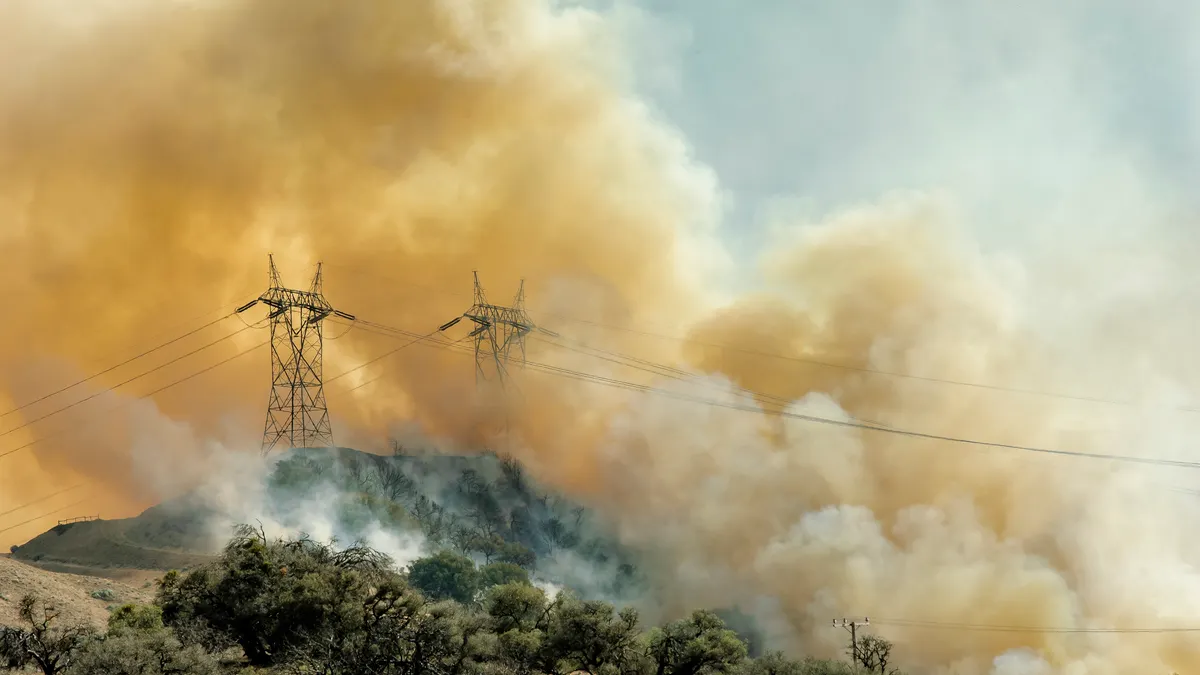
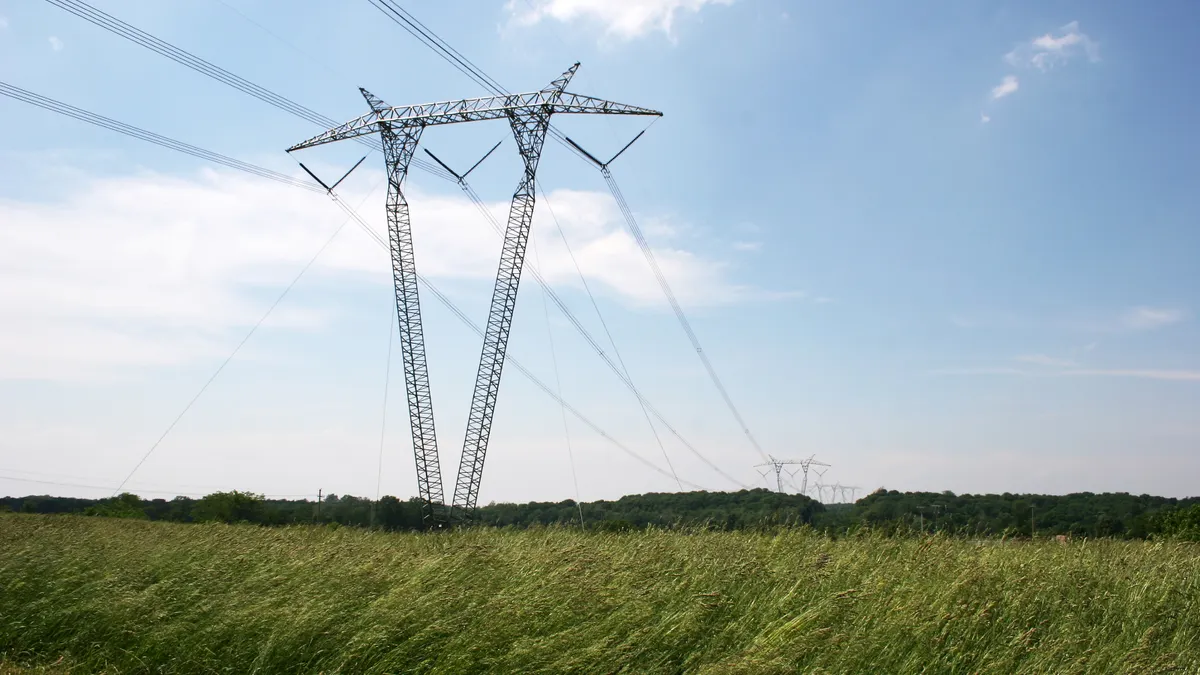
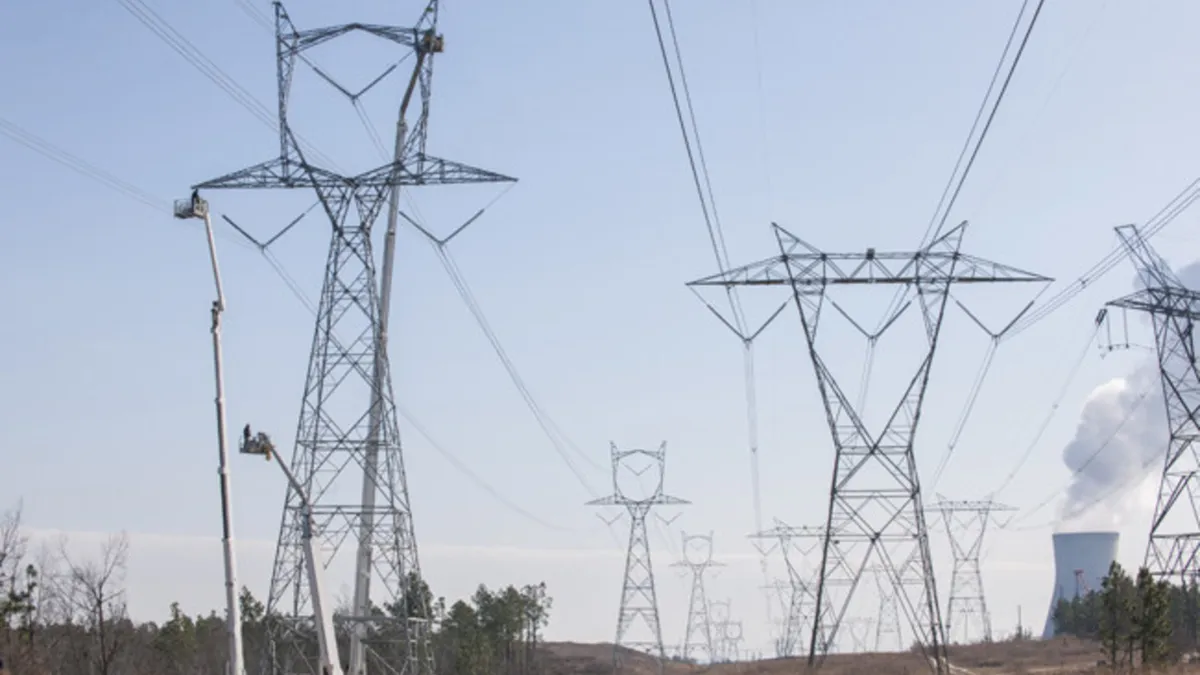
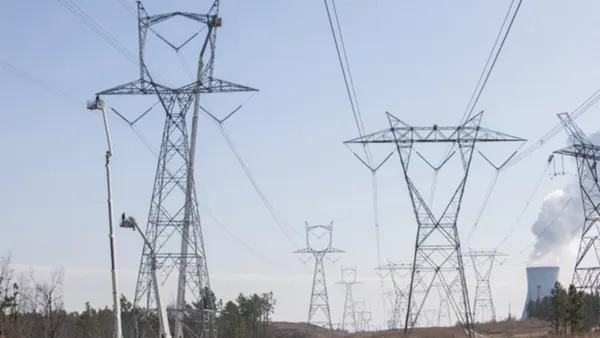
Xcel is headquartered in Minneapolis and serves power and gas customers across eight states: Minnesota, Colorado, Wisconsin, Michigan, North Dakota, South Dakota, New Mexico and Texas. In October, the utility company raised its five-year capital spending plan to $60 billion, to include 7.5 GW of new renewable generation, 3 GW of new gas generation, 1.9 GW of energy storage, 1,500 miles of high-voltage transmission and $5 billion for wildfire mitigation.
New data center load represents about 60% of Xcel’s anticipated retail sales growth through 2030, officials said.
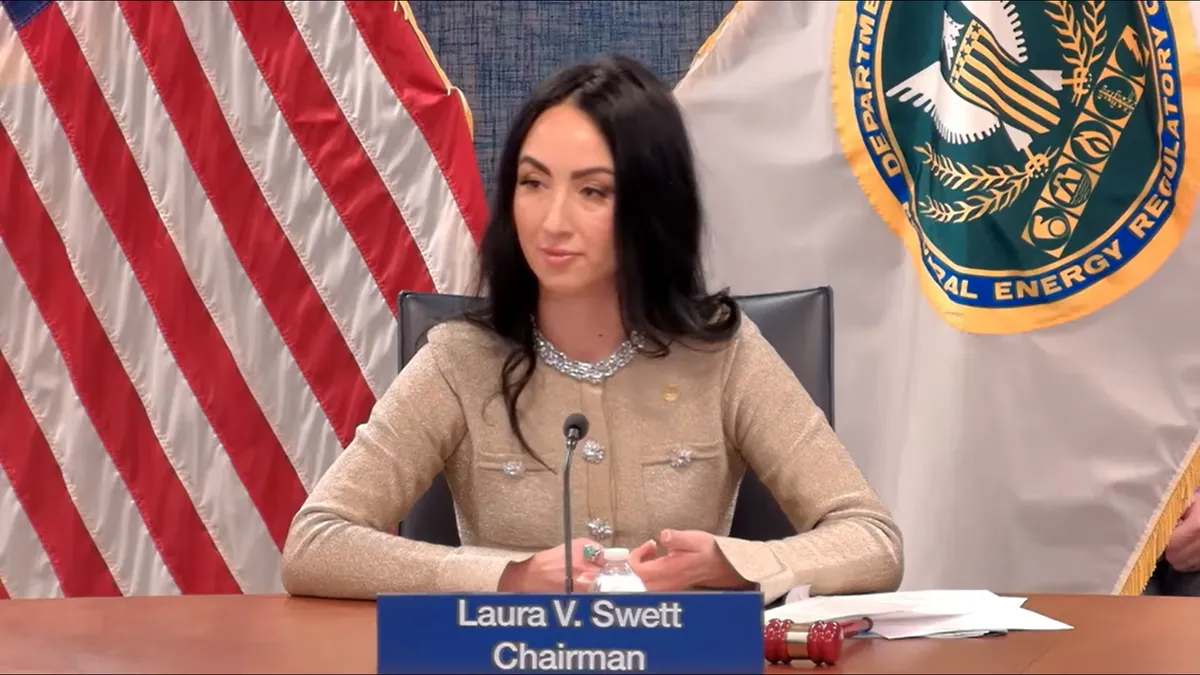
Frenzel sat down with Minneapolis Fed President Neel Kashkari to talk data centers, electricity prices, nuclear energy, labor markets and more. Here are five takeaways from their conversation.
Multiple demand growth drivers
The U.S. economy is “sending us mixed signals,” Kashkari said. “The labor market looks like it's cooling gently. The stock market is doing well. There is a lot of investment in AI and data centers ... Are you optimistic on the economy?”
“I feel good about the parts of the economy that we touch and the ability to continue to help drive our customers’ businesses forward,” Frenzel said.
Like many utilities in the United States, Frenzel said Xcel has seen electric demand grow about 0.5% annually for the last 10 to 15 years, largely due to population growth with some offsets for energy efficiency.
“That model feels pretty good to us. The region, our customers who we talk to regularly, feel pretty good that underlying economic growth is probably about a half a percent a year,” he said.
Data centers and the oil and gas sector, however, have the potential to drive more rapid demand expansion, he said.
“What's driving real growth is powering the current data centers that we serve, and the ones that are [coming]. That’s probably the Upper Midwest driver,” Frenzel said.
Another “huge piece of our business growth” is serving oil and gas activity in the Texas panhandle and southeastern New Mexico, “which is the heart of the Delaware and the Permian basins.”
Along with active drilling, “those producers continue to look for electrification and decarbonization of their own load. So instead of using diesel and natural gas powered rigs and compression, they're using electric jack-up rigs and using electric pumps and motors and compression. So we're seeing electric demand sort of two-fold down in the southwest region of our business as well,” Frenzel said.
Supply chains are degrading
Covid-19 gummed up supply chains around the world. Despite efforts to restore normal operations, “I just keep hearing about the long, long lead for anything electrical related,” Kashkari said.
Lead times for equipment procurement are “not getting better” and are “actually degrading,” Frenzel replied.
“We used to be able to get a transformer in a year. Now it's closer to three years,” he said.
Combustion turbine gas plant construction used to take 18 months and now run 4 to 5 years, he added.
“We need to look forward more and plan more, and we need to build the infrastructure that's needed further in advance,” Frenzel said. "That takes an enormous amount of thoughtfulness on our side, and partnership on the side of our regulators and our other stakeholders.”
Supply chain delays are “causing us to have to behave differently and, in partnership with our other stakeholders, to really be proactive,” he said.
Alternative rate structures protect customers
Investment in data centers “seems to be the big bright spot on the U.S. economy,” Kashkari said, with tariffs and trade uncertainty putting a damper on some areas. “There's a lot of concern that, hey, is AI a bubble? ... How do you think about that?”
Xcel is in “daily conversation” with the largest hyperscale data center developers, Frenzel said.
“If we overbuild, that means that the people overpay,” he said. To counter the threat to other ratepayers, the utility is looking at alternative types of rate arrangements.
“We're trying to find long-term pricing arrangements with the Metas, the Googles, the Amazons of the world,” Frenzel said. “Think 15-20 year contracts. Minimum revenue requirements, or minimum floor takes, in terms of contract pricing. So that we can make sure that we build infrastructure to support them, that infrastructure is amortized over the life of that contract, and we protect our existing customer base.”
If data centers are managed correctly, the new load should help put downward pressure on rates, Frenzel said. The grid is a fixed asset and so increased data center demand, “all things being equal,” should help to offset economic price pressures.
Xcel CEO an ‘unabashed nuclear fan’
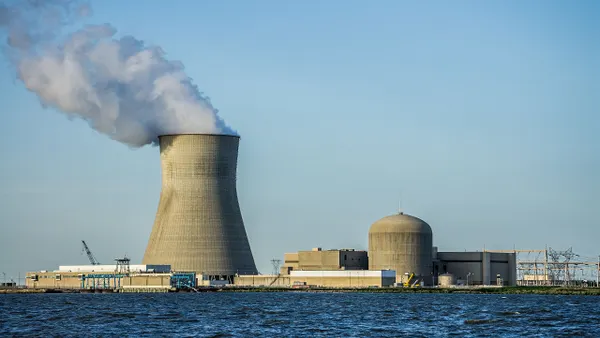
Nuclear energy is the “preferred source of energy for data centers,” Frenzel said.
The U.S. has about 100 reactors that provide about 50% of the country’s carbon free electricity, he said. A major power sector question is whether to pivot to other sources or redouble investment in nuclear.
“Our nuclear fleet in this country is probably close to 40 years old ... Are we going to revitalize that as a core energy source for the United States? I think we should. I think it should be a national imperative. I think it should be a national initiative,” said Frenzel, a former nuclear engineer in the U.S. Navy.
But that will also require that U.S. industrial policy ensure development of a domestic fuel supply chain, he noted, pointing to the U.S. Department of Energy’s commitment of $2.7 billion to strengthen enrichment services over the next 10 years.
“We need the actual supply chain here. We need the skilled labor here,” Frenzel said. “It has to be an all-parts-of -government and all-parts-of-industry effort to bring a national nuclear renaissance forward.”
Data center development spikes engineering, procurement and construction costs
The unemployment rate ticked down last week, Kashkari noted. “Nationally, it seems to be a low hiring, low firing environment,” he said. “What [is Xcel] experiencing as you continue to build out your infrastructure?”
Labor markets are relatively neutral, Frenzel said, though “pockets are really getting more and more challenging.”
Data center developers have announced new construction plans totaling about $600 billion in capital spending, Frenzel said. While some of that is for computing infrastructure such as chips, it also creates competition for engineering, concrete, steel, cabling, controls, pumps, valves and HVAC.
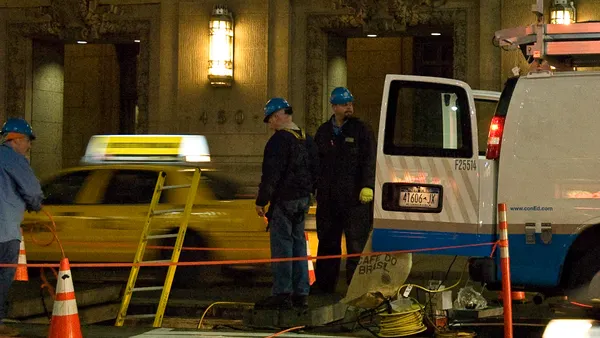
“All the things that we need to build transmission, distribution and power plants, they need to build data centers,” Frenzel said. “And so where we're seeing pressure in the labor markets: engineers, linemen, electricians, plumbing, pipe fitting, concrete, groundwork, civil work. All of that stuff has been a labor market push from our perspective.”
“When I look at what we're paying for engineering and procurement and construction partners ... we're seeing real pricing pressure, probably 30% to 40% over the last year or two, in terms of EPC rates for new construction,” he added.