
The Dominion Energy–NextEra Energy discussions have drawn attention because of their potential scale. But the more important story is what the proposed deal signals about the direction of the power and utilities sectors.
The pace of change is accelerating rapidly. In 2020, data centers represented less than 5% of U.S. electric load, and a large campus typically ranged from 100 to 300 MW. By 2030, data centers could account for 15% to 20% of total U.S. generation load, driven by dozens of planned campuses across the country.
Investor reaction to the reported discussions reflects how strongly markets are valuing AI-driven load growth, particularly in regions with concentrated data center development and available infrastructure pathways. But the regulatory path may prove equally important to the market’s long-term view of these transactions. West Monroe M&A lead Alex Torgerson noted in The Wall Street Journal that the approval process for a transaction of this scale will be “challenging,” particularly as regulators focus on customer affordability, reliability and whether large-load growth creates clear public-interest benefits.
West Monroe’s Utilities Industry lead David Pretyman suggests that this “proposed deal is one of many he expects to see in the coming year as the industry copes with aggressive growth and the need to scale to improve efficiencies and reduce costs to customers.”
Energy and utility companies are navigating fragmented regulatory frameworks, rising speed-to-power expectations and unprecedented infrastructure investment needs while evolving commercial, operational and financing models to support large-load growth at scale. The challenge is no longer simply addressing load growth, but coordinating generation, transmission, procurement, interconnection and customer risk-sharing in a way that maintains reliability and protects affordability.
Energy and Utility Companies Are Reorganizing Around Large-Load Execution
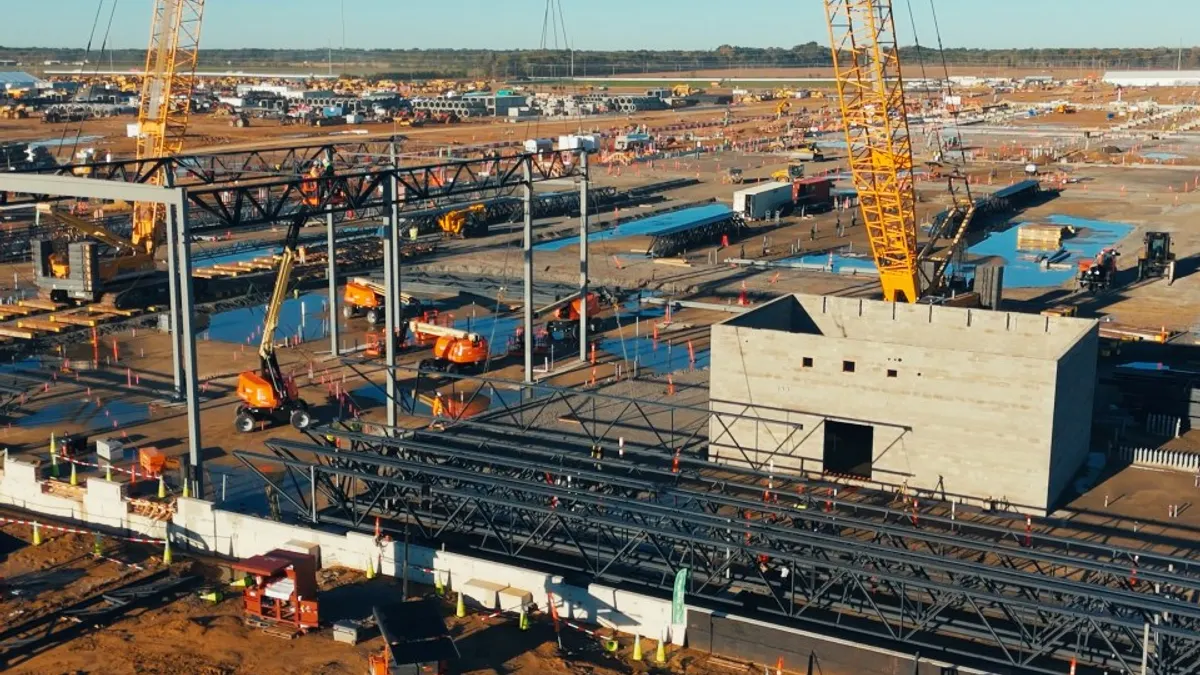
In addition to data center growth, energy and utility companies are also responding to the national agenda supporting onshore manufacturing. These advanced manufacturing facilities are large load consumers, and the power demand is forcing energy, utilities, and regional grid operators to operate less like passive service providers and more like infrastructure coordinators.
In Virginia, regulators approved a new Dominion Energy rate class for customers demanding 25 MW or more, including large data center users. In Georgia, Georgia Power’s 2025 IRP includes quarterly large-load economic development reports and updated load forecasting processes as the utility plans around roughly 8,500 MW of projected load growth over six years. SEPA’s Database of Emerging Large-Load Tariffs now tracks 75+ tariffs designed to help utilities manage the costs and uncertainty associated with large new loads.
These regulatory interventions are signs of a business model change.
Utilities Are Redefining Customer Risk-Sharing
This also changes the risk conversation. AI demand is real, but not every interconnection request will become durable load. Some projects may be backed by firm commitments; others may reflect speculative land positions, duplicate site requests, uncertain financing or customers evaluating multiple utility regions.
As a result, the emerging model is increasingly: “show me the commitment.” Minimum bills, upfront deposits, long-term service agreements, collateral, phased energization and customer contributions are becoming tools to distinguish durable demand from speculative demand—and to protect existing customers if the AI buildout slows, shifts or concentrates in different geographies.
That customer protection question will be central to any large utility transaction or infrastructure plan. Regulators will continue to focus on affordability, cost allocation, reliability, market concentration, and whether proposed investments create a clear public-interest benefit.
Earlier this year, we wrote about why investor interest in regulated utilities was increasing as the sector faced rising capital needs and infrastructure demand. The current large-load conversation is the operational side of that same trend.
Utilities need larger balance sheets, more diverse generation portfolios, stronger procurement capabilities and greater execution discipline to serve fast-growing loads while maintaining reliability and affordability.
Whether any specific transaction ultimately moves forward is a question for shareholders and regulators. But the broader market signal is clear. The real story is not just that AI is increasing electricity demand. It is that AI is changing the utility business and regulatory model.
Energy and utility companies are becoming economic developers, political influencers, infrastructure financiers, supply chain disruptors and customer-risk underwriters all at once.