
Utilities are entering a transformative year, with surging demand, affordability concerns, cybersecurity challenges and the increasing integration of artificial intelligence reshaping the industry.
Utilities that thrive in this complex environment will need to adopt disciplined, analytics-driven strategies to ensure resilience, reliability and affordability. The forces driving change are significant and utilities must act decisively to navigate these challenges while building trust with customers and regulators.
For a comprehensive analysis of the trends and strategies driving the future of utilities, download the full report.
Surging Demand Requires Proactive Grid Management
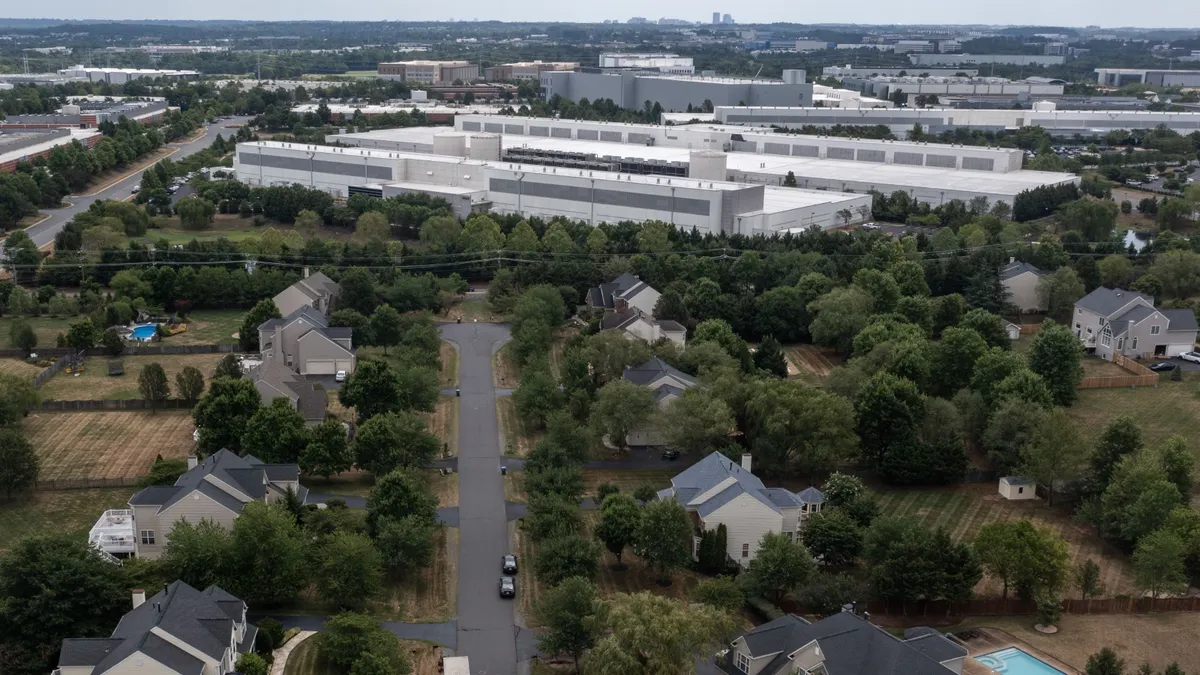
One of the most pressing issues is the unprecedented demand growth fueled by data centers, AI workloads and advanced manufacturing. Global power demand from data centers alone is expected to rise by 165% by 2030, with AI-driven workloads accounting for nearly a third of that increase. This surge in demand is straining transmission and distribution grids, which are already hampered by regulatory and permitting delays. Utilities must rethink traditional planning cycles and adopt predictive load forecasting tools to anticipate new energy use patterns with greater accuracy.
Advanced transmission technologies, such as dynamic line ratings and topology optimization, can help increase grid capacity and efficiency, ensuring utilities remain competitive. Modernizing interconnection processes is also vital, as delays in connecting new loads to the grid can hinder progress. By deploying digital workflow tools and creating public-facing hosting capacity maps, utilities can streamline interconnection requests and enable developers to make informed decisions about project siting.
Customer Affordability at a Tipping Point
Massive grid investments to support electrification, data centers and climate resilience are driving rates higher, while inflation continues to strain household budgets. Since 2021, electricity prices have risen by 30%, leaving nearly 80 million Americans struggling to pay their utility bills. Utilities must adopt customer-centric solutions to address these concerns.
Predictive analytics can help identify vulnerable households and provide personalized tools that empower customers to manage their energy costs. Flexible rate structures, demand-side programs and tailored payment schedules can enhance customer satisfaction while addressing affordability. Transparent communication is equally important. Utilities must link infrastructure investments directly to customer benefits, such as improved reliability and lower long-term costs, to build public trust.
Developing lasting affordability programs, rather than relying on temporary assistance, is essential. Utilities should partner with community organizations to connect customers to financial support and design rate structures that balance cost recovery with protections for vulnerable households. Collaboration with regulators is also key. Utilities should advocate for performance-based rate mechanisms that reward progress on affordability and reliability while supporting critical infrastructure investments.
Cybersecurity and Workforce Transformation Are Critical
Cybersecurity risks are intensifying as utilities modernize their grids, integrate AI and converge IT and OT systems. The expanded cyber-attack surface, combined with a shortage of cybersecurity expertise, presents a significant challenge. Utilities must strengthen their cybersecurity foundations by implementing core zero-trust principles, such as least-privilege access and multi-factor authentication. Digital twins can be used to simulate network changes and validate threat responses without disrupting live operations.
AI adoption must be approached responsibly, with clear access controls, human oversight and regular security audits to mitigate risks. Workforce transformation is also essential. Utilities should partner with colleges and industry organizations to create hands-on cybersecurity training programs that go beyond theoretical knowledge.
Building resilient supply chain partnerships is another priority, as software and IT vendors account for a significant portion of energy sector breaches. Utilities must establish rigorous cybersecurity requirements for vendors and conduct regular security assessments to create a more resilient ecosystem.
Data and AI as the Core of Utility Operations
The integration of data and AI into utility operations is becoming increasingly critical. Utilities are under pressure to leverage data for faster, more confident decision-making. AI-driven data centers and electrification projects are reshaping demand curves, requiring utilities to embed predictive analytics into daily operations to optimize maintenance, investments and customer interactions.
Reconciling data from siloed IT and OT systems is crucial to eliminate disjointed decision-making and identify issues across systems. Investing in platforms that automate high-volume processes, such as interconnection application intake, can improve efficiency and customer experience.
Advanced analytics can help utilities optimize capital investments by prioritizing infrastructure upgrades that deliver the highest reliability improvements per dollar invested. Real-time operational intelligence systems are also becoming essential. By streaming data from grid assets, distributed energy resources and weather sensors into machine-learning models, utilities can anticipate failures, trigger maintenance and detect cybersecurity anomalies before they escalate.
Public Trust as a Prerequisite for Regulatory Approval
With over 1,200 grid modernization policy actions in 2025 alone, utilities must adopt sophisticated regulatory strategies to secure approval for infrastructure investments. Public pushback against rising bills demands compelling, data-driven cases that link investments to customer benefits.
Traditional cost-of-service regulation is no longer sufficient to keep pace with the rapid investment cycle needed for grid modernization. Utilities should advocate for performance-based regulation and multi-year rate plans that align incentives with customer value. Cybersecurity and AI investments should be positioned as essential infrastructure, with clear evidence that these technologies improve reliability, reduce costs and enhance customer value.
Proactive stakeholder engagement is critical. Utilities must communicate transparently with community groups, consumer advocates and business customers about investment needs, expected benefits and rate impacts. Collaboration with state policymakers is also necessary to support distributed energy resource and demand-side management pilots that demonstrate the viability of these technologies. Transforming interconnection governance from a compliance function to a strategic economic enabler will further support regulatory approval.
Conclusion
The energy and utilities sector stands at a pivotal moment in 2026. Utilities must act decisively to address surging demand, affordability concerns, cybersecurity risks and regulatory challenges. By adopting analytics-driven strategies, investing in advanced technologies and engaging proactively with stakeholders, utilities can build the grid of the future while maintaining public trust and affordability. The time to act is now.