Mike O’Boyle is the senior director, policy and strategy at Energy Innovation. Silvio Marcacci is senior director of communications at Energy Innovation.
What if the government decided the best way to protect a town downriver from a failing dam was to slap duct tape over all the cracks?
Bad idea, right?
Unfortunately, that’s what legislation passed by House of Representatives would do to America’s grid. The “Power Plant Reliability Act” would give regional transmission organizations and state regulators power to ask the Federal Energy Regulatory Commission to delay planned power plant retirements for up to five years.
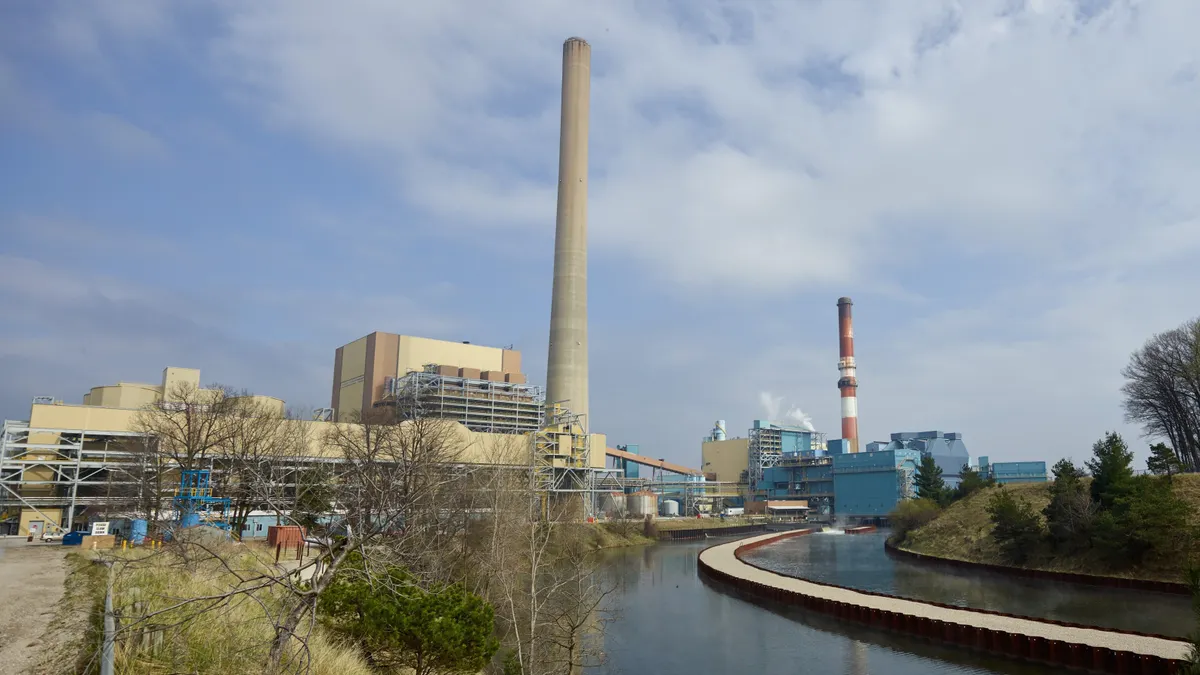
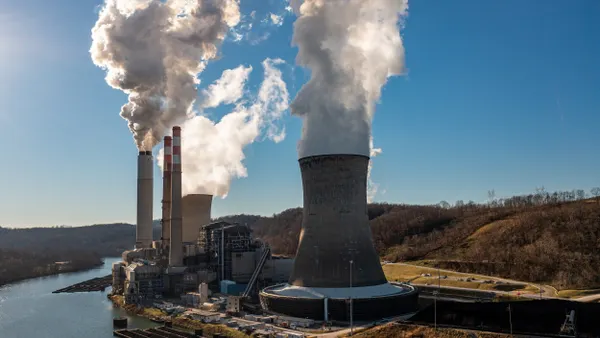
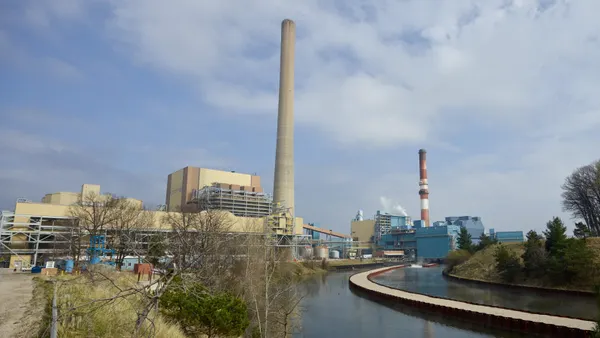
Most planned retirements are old coal-fired power plants. These retirement determinations are heavily litigated, planned over a decade or more under state regulatory supervision, and underpinned by utility analysis showing the grid would be cheaper, cleaner and more reliable without them.
Propping up expensive, dirty power plants threatens consumers with higher prices while punting systemic solutions further into the future — if this is America’s best solution then our planning, regulatory and market policies are irreparably broken.
The right approach is plugging cleaner, cheaper alternatives into the grid — while enhancing capacity quickly with grid enhancing technologies and demand flexibility solutions to better use existing rights of way and transmission.
The U.S. Department of Energy’s Speed to Power Initiative was a step in this direction. Instead, Congress’s approach would block efforts to build a stronger, cheaper grid.
Are markets dying?
Enacting this bill would kneecap the integrity of power markets and state regulators, which have their own mechanisms to ensure reliability. For example, the PJM Interconnection and ISO New England use capacity markets to procure new power plants as load grows. Other markets and states litigate these matters in long-term plans under state regulation.
If these mechanisms aren’t improving reliability, the answer isn’t federal legislation that usurps state authority, it’s fixing those markets’ broken policies.
That’s a sad reality in PJM — its most recent Base Residual Auction for capacity fell 6.6 GW short of the target reserve margin for 2027-2028. But reliability challenges in America’s largest power market are largely PJM’s own fault for failing to connect resources stuck in the interconnection queue — bottlenecks threaten reliability margins and have cost consumers $3.5 billion.
States oversee generation planning and procurement, with authority over which power plants can affordably and reliably serve customers. They implement state preferences over generation sources, including whether they can pollute local communities.
Regulators, technical experts and utilities making retirement decisions know how to balance their constituents’ interests.
Coal’s reliability value can’t be counted on
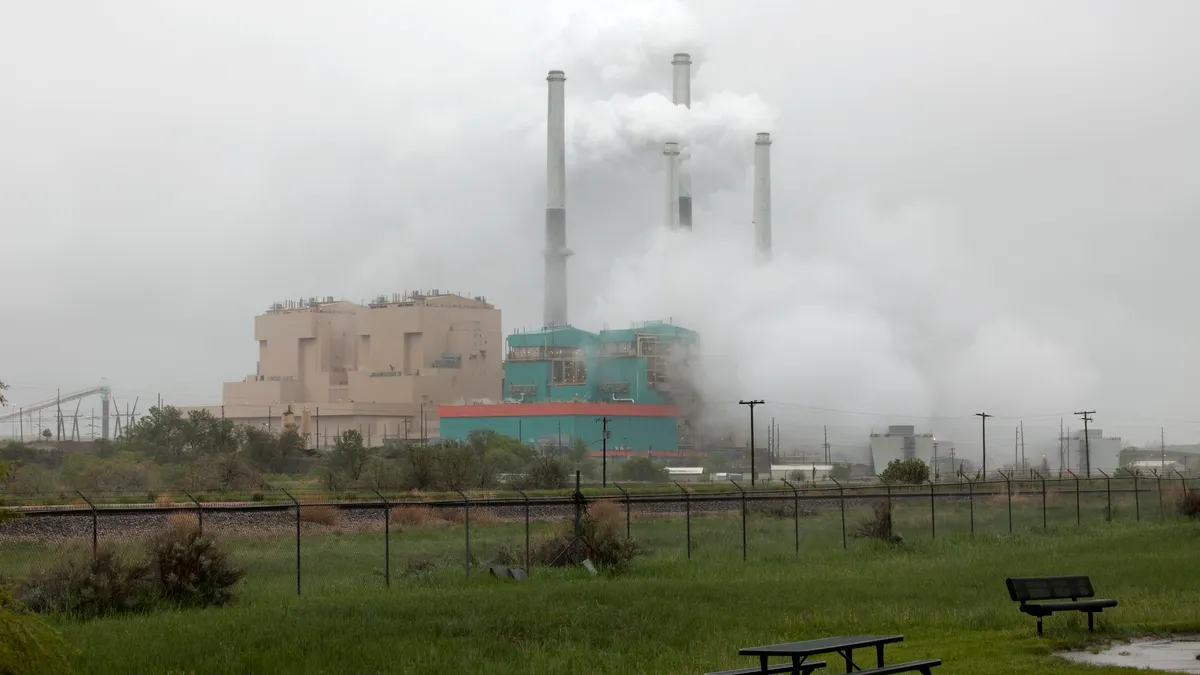
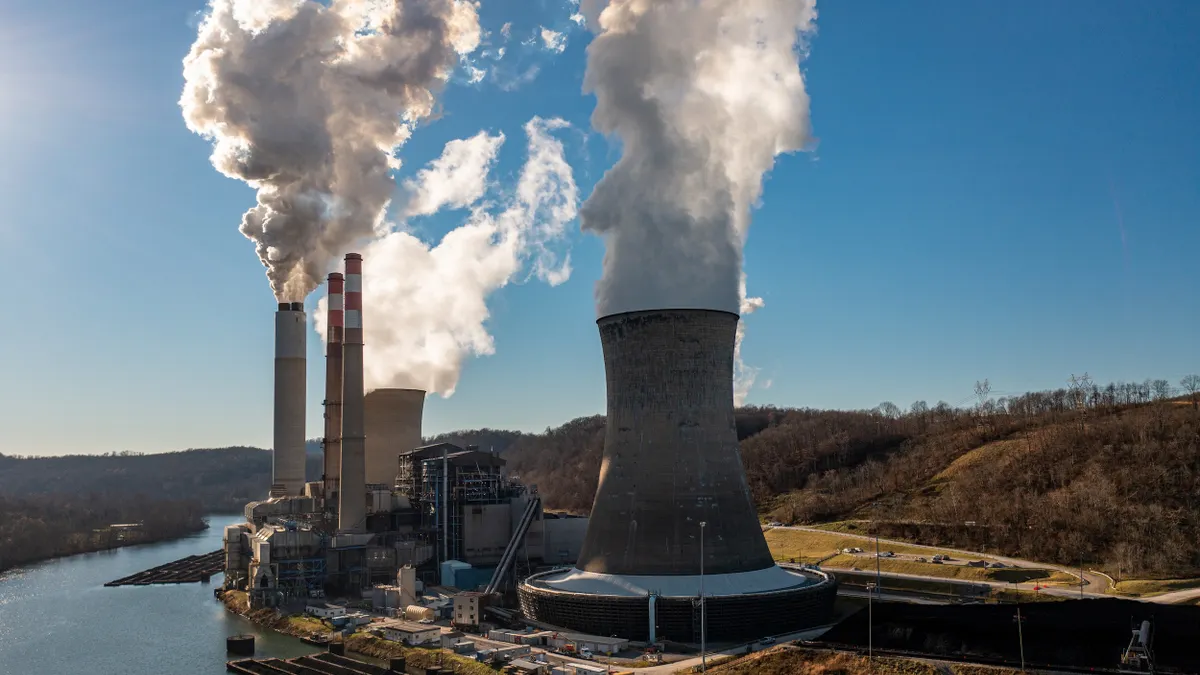
The “Power Plant Reliability Act” name is ironic, since it would double down on our least reliable thermal resources — America’s coal-fired power plants are hardly reliable.
North American Electric Reliability Corp. data shows coal plants break down more frequently than gas, hydropower, or nuclear at an 11.4% average unplanned outage rate. Third-party analysis of NERC data reveals coal has the highest “equipment-related outage rate” of all generation sources.
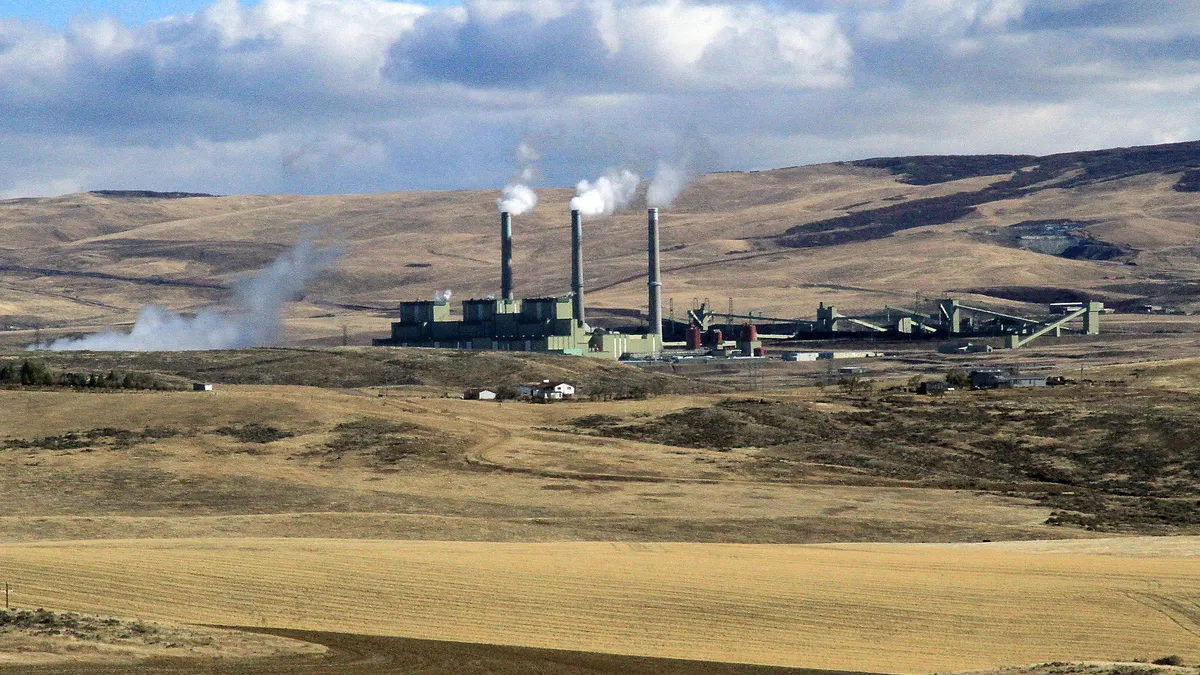
America’s newest coal plant, Texas’ Sandy Creek facility, broke down in April and won’t be back online until at least 2027, while renewables and batteries met the state’s 5% demand increase this year.
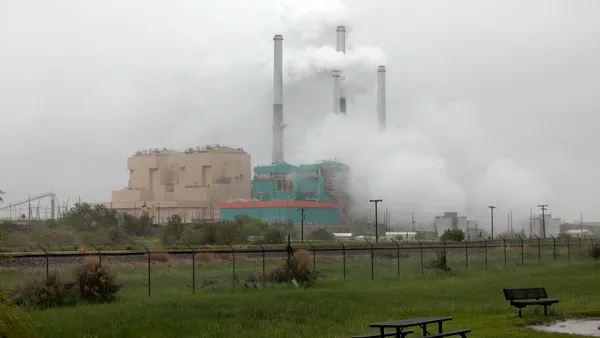
Same with Colorado’s Craig coal plant, which DOE forced to stay open past its planned retirement last December, saying it was needed for reliability … except it’s currently broken down, will require “millions of dollars just to get it running,” and will cost consumers $85 million per year. “Our membership will bear the costs of compliance with this order,” said Tri-State CEO Duane Highley.
This rush to prop up coal clunkers echoes flawed DOE analysis warning planned retirements of “zombie” power plants risk hundreds of hours of blackouts annually by 2030. But DOE assumes the power sector will stop building new resources after 2026 — implying we can’t fix our broken markets, or that state-led power plant development won’t fill the gap.
Utilities and grid operators are already planning what they need to maintain grid reliability.
The truth is zombie power plants receiving out of market payments are eating competitive power markets, sticking customers with the bill. Coal costs rose 28% between 2021-2024, double the rate of inflation, adding $6 billion to annual energy bills. Delaying retirement for the 25 GW of coal plants scheduled to close by 2028 could cost consumers up to $6 billion.
This happened in Michigan when DOE forced the J.H. Campbell plant to stay open last June, forcing consumers to pay $113 million in unnecessary costs so far, even though the state’s top utility regulator said “no energy emergency exists.”
Indiana’s situation is similar — the three coal clunkers DOE forced to stay open are broken down or expensive. Schafer Unit 18 has been broken since July and can take six months or longer to get back online for extended operation, according to NIPSCO. The cost of running the Schafer and Culley coal generators forced open by DOE increased 66% and 17% between 2021-2024, forcing families and businesses to pay higher bills.
That’s unacceptable when Energy Information Administration data shows household electricity bills spiked 13% since January 2025 and 6 million American families — 1 in 20 households! — have utility debt “so severe” they’ll be reported to collection agencies.
America’s coal fleet is retiring because it’s more expensive, older, dirtier and less reliable than newer, more efficient plants. Keeping them online has marginal reliability benefits, but that’s a stopgap solution for plants already on the glidepath to closure, while it increases costs and dampens the signal to fix the broken markets and regulations causing this problem.
Fixing the real problem
This situation has always been solvable: Add grid capacity by accelerating interconnection of cheap resources that solve our reliability challenges.
Power market managers take this seriously when it comes to gas plants, but ignore it when considering cheaper clean energy portfolios. PJM, the Midcontinent Independent System Operator and the Southwest Power Pool instituted policies allowing gas and storage to jump to the front of interconnection queues, but have no similar sense of urgency for all resources — including wind, solar, batteries and demand-side solutions — that are ready to go.
Congress wants FERC to take control over grid decisions, but FERC’s reticence to assert greater authority over interstate transmission and market design largely caused this problem. Utilities, unable to reach agreement themselves or under FERC guidance on regional plans to improve the grid’s ability to add new resources, have under-invested in transmission needed to fix our reliability and affordability mess.
Nevertheless, transmission spending continues growing without solving extant interconnection bottlenecks. Transmission owners exploit regulatory gaps between state and federal regulation for low- and medium voltage local transmission projects, allowing relatively unchecked spending to swell without considering alternatives or economic benefits.
It’s no coincidence regional transmission expansion would make it even harder for uneconomic coal plants, owned by the same utilities, to compete with new technology.
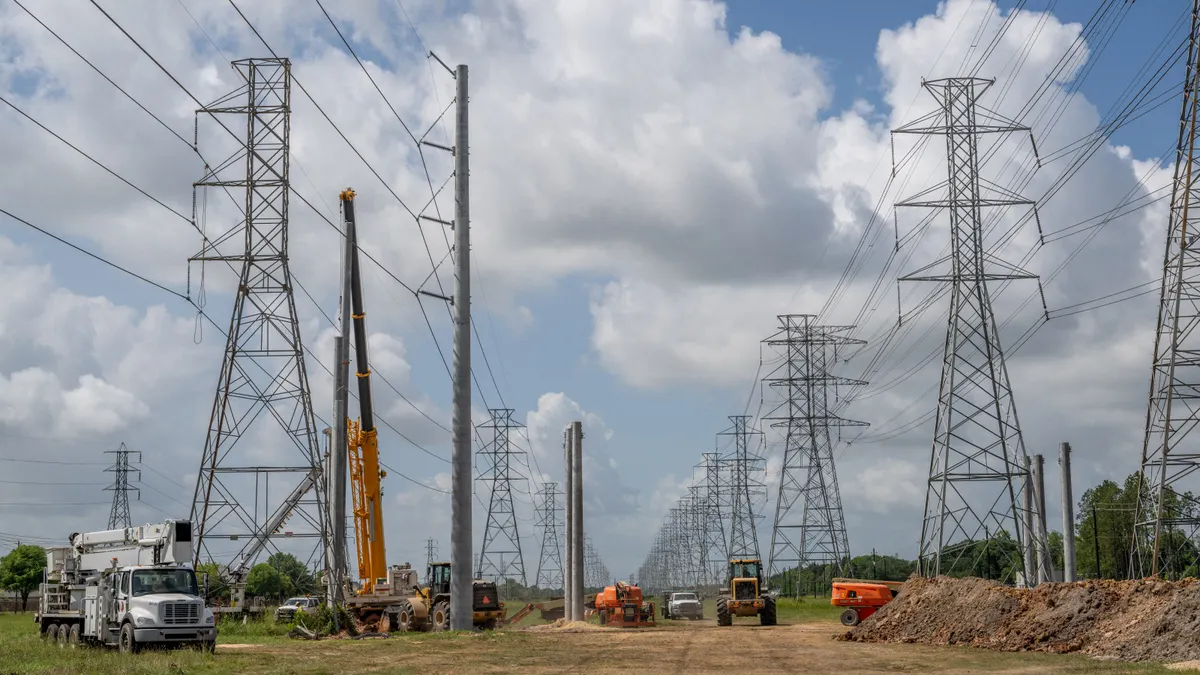
Without strengthening regional and interregional transmission systems, markets like PJM quickly run out of scalable solutions to meet growing load. PJM, governors, and the White House recently focused on solving supply bottlenecks, but have ignored complementary grid-side solutions that unlock faster access to newer, more reliable generation sources. Policymakers should focus with similar urgency on strengthening the grid with grid-enhancing technologies and smarter use of existing grid connections.
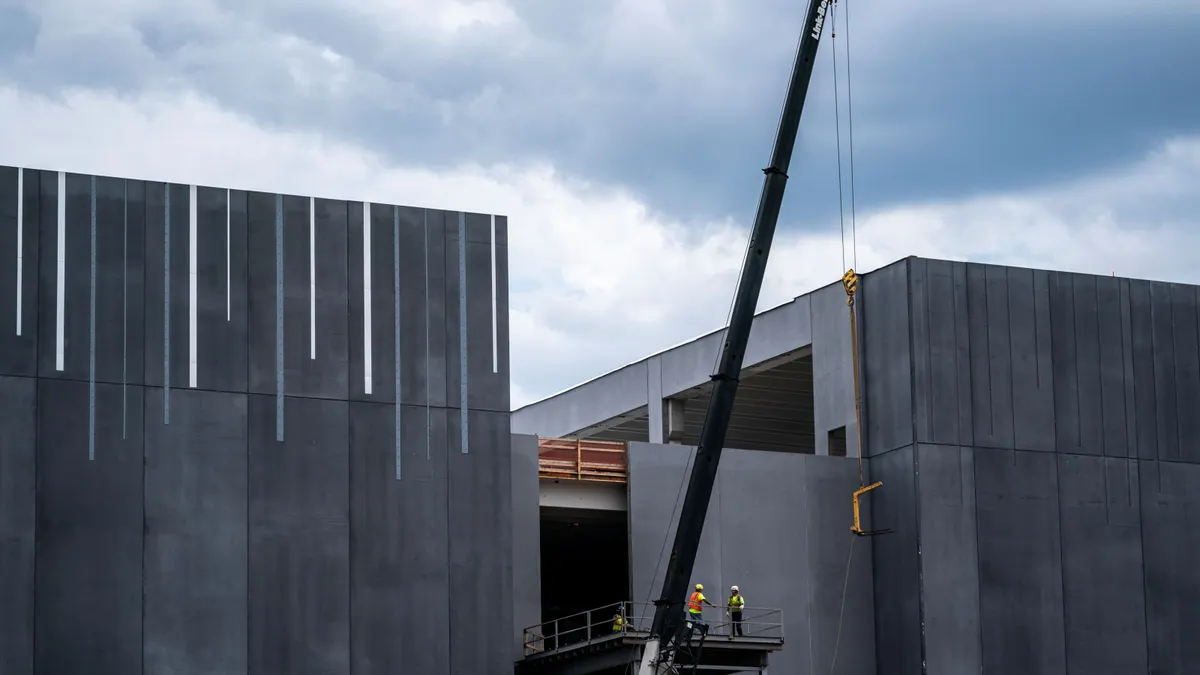
Untapped solutions also lie with customers. State regulators and utilities can leverage data centers investing infinite sums in AI to drive investment in equipment and technology that cuts customer costs, offsets new generation needs and dodges the “firm fixation.” Onsite storage, efficiency, or demand response can be installed in months and aggregated across customers at the power plant scale.
Reliability is non-negotiable and load growth is pushing our institutions to the brink. But Congress is ignoring the real problem and pushing customer costs higher.
The federal government can and should fix this problem — but the solution is infrastructure planning, financing and bringing economic resources to market, not clinging to power plants from the 1970s.