Increases in electricity use are becoming more geographically broad, and new demand will be met mainly by increased solar generation, the Energy Information Administration said in its latest short-term energy outlook released Tuesday.
Increasing economic activity and data center development in Texas and the mid-Atlantic are largely driving are largely being driven by increasing economic activity and data center development in Texas and the mid-Atlantic, the agency said, but this month EIA increased its outlook for electricity consumption “in both the Central and Midwest regions because of raised expectations for data center expansion in those areas.”
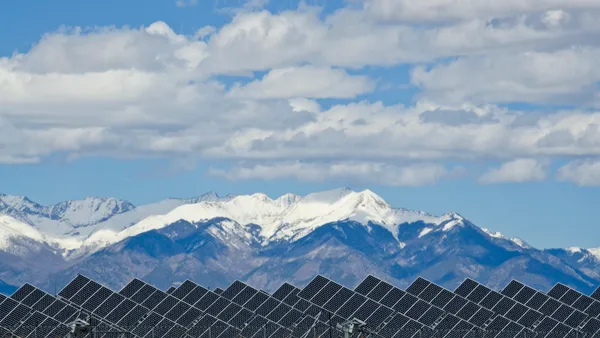
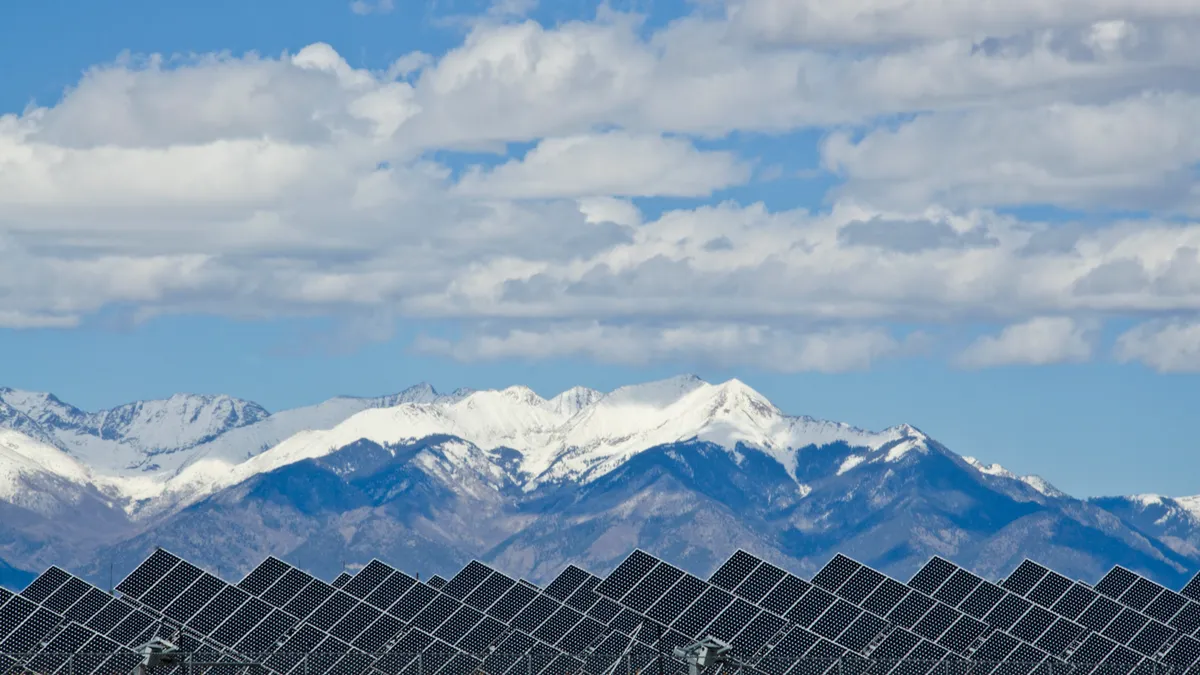
EIA expects solar, the fastest-growing source of electricity generation in the U.S., to be the main source meeting that demand growth.
“We expect a 17% increase in solar generation in 2026 and an additional 23% increase in 2027, and wind generation increases by 6% and 7%, respectively, over those years,” EIA said.
FERC’s latest Energy Infrastructure Update, reflecting additions from January to November last year, found that new solar additions totaled 25.4 GW, while new natural gas totaled around 4 GW and new wind totaled around 5.5 GW.
EIA’s latest forecast anticipates the U.S. will generate a total of 341 billion kWh of solar this year and 418 billion kWh in 2027, up from 291 billion kWh in 2025.
“Almost 70 gigawatts (GW) of new solar generating capacity projects are scheduled to come online in 2026 and 2027, which represents a 49% increase in U.S. solar operating capacity compared with the end of 2025,” the agency said in its January short-term energy outlook.