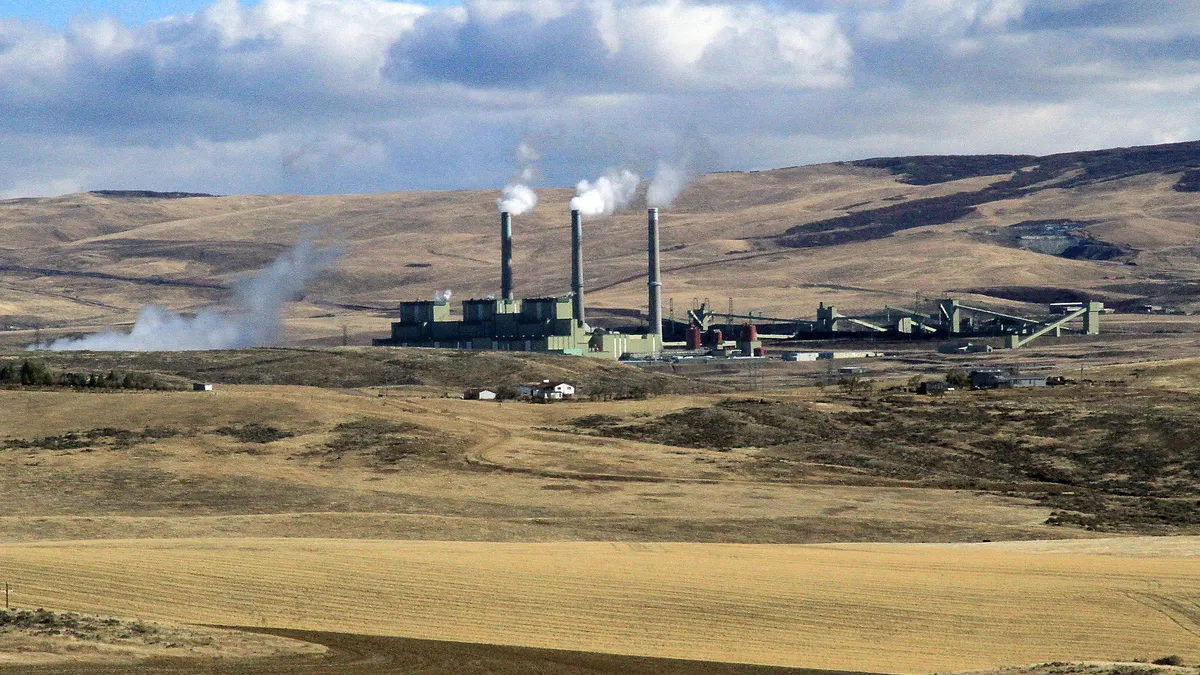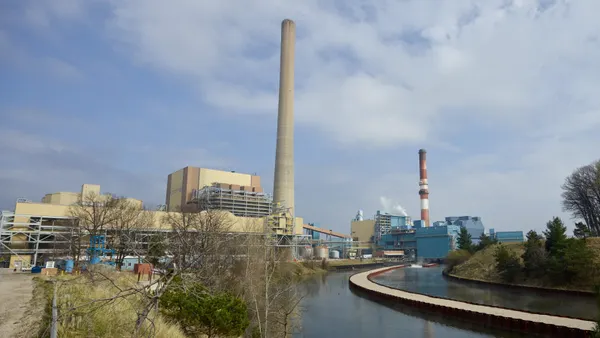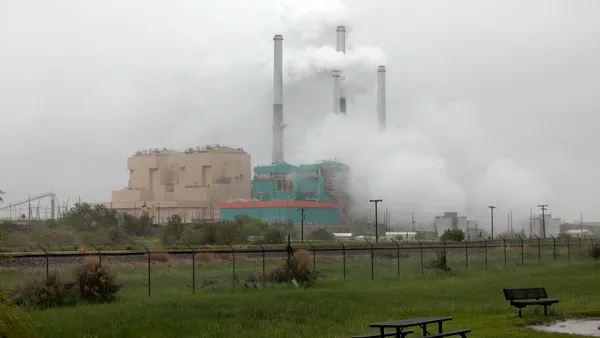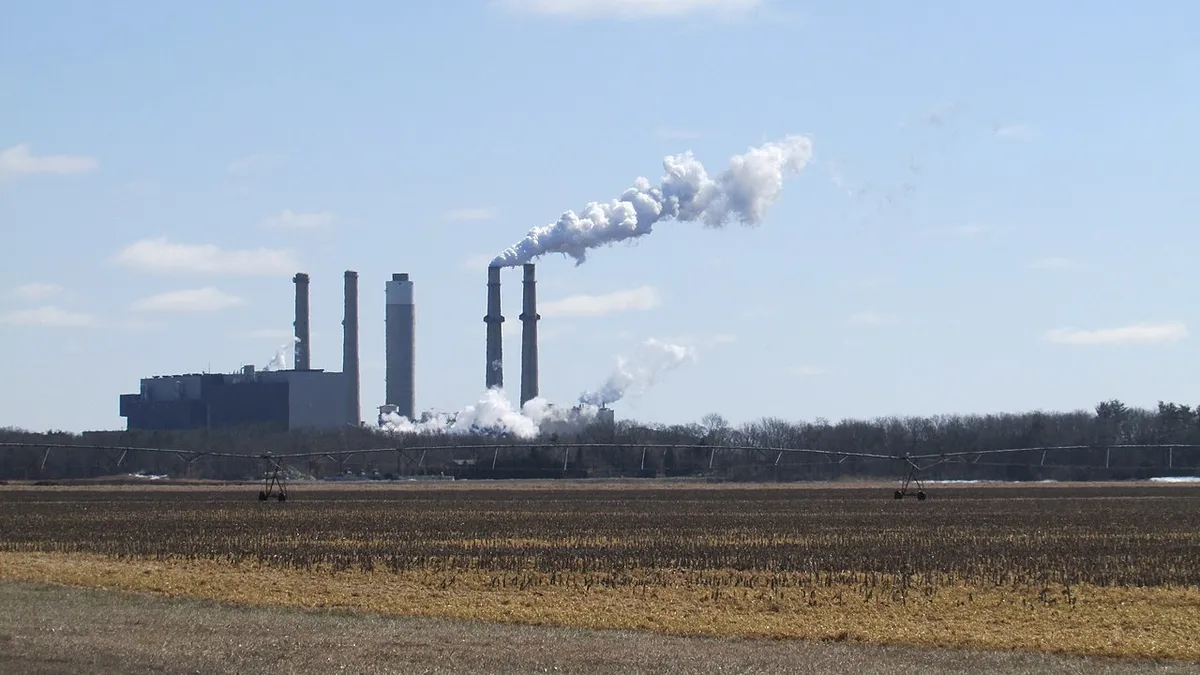
The U.S. Department of Energy on Dec. 23 ordered Northern Indiana Public Service Co., a division of NiSource, and CenterPoint Energy to continue running three coal-fired units in Indiana, totaling more than 950 MW, beyond their planned retirement at the end of the month.
DOE contends that portions of the Midcontinent Independent System Operator face an emergency situation, citing studies by the grid operator and the results of recent capacity auctions that indicate tightening supply conditions.
“The emergency conditions resulting from increasing demand and shortage from accelerated retirement of generation facilities will continue in the near term and are also likely to continue in subsequent years,” DOE said in its 90-day emergency orders to MISO, NIPSCO and CenterPoint.
However, MISO reviewed NIPSCO’s plan to retire the coal-fired units at its Schahfer power plant and CenterPoint’s proposal to shutter its F.B. Culley Unit 2, all of which were scheduled to occur on Dec. 31.
DOE has issued a string of last-minute emergency orders under the Federal Power Act’s Section 202(c) to keep power plants in Michigan, Pennsylvania and Washington from retiring. Those generating units total about 3.1 GW.
The latest emergency orders were issued a day after the Trump administration froze work on five offshore wind farms totaling 7 GW.
The Indiana units must run until March 23, although DOE can extend the orders, as it has done for the Campbell power plant in Michigan and the Eddystone units near Philadelphia.
Citizens Action Coalition of Indiana, a ratepayer advocacy group, contends the DOE orders will drive up electricity bills.
“The federal government's order to force extremely expensive and unreliable coal units to stay open will result in higher bills for Hoosiers who are already reeling from record-high rate increases in 2025,” Ben Inskeep, CAC program director, said in a statement.
The DOE’s emergency orders for the Campbell power plant are being challenged in federal appeals court by Michigan’s attorney general, Minnesota and Illinois as well as a coalition of advocacy groups led by the Sierra Club and Earthjustice.
In a Dec. 19 court brief in the U.S. Court of Appeals for the District of Columbia Circuit, the advocacy groups said DOE failed to show MISO faces an energy emergency.