Dawn Neville is senior manager of electric transportation at PSE&G.
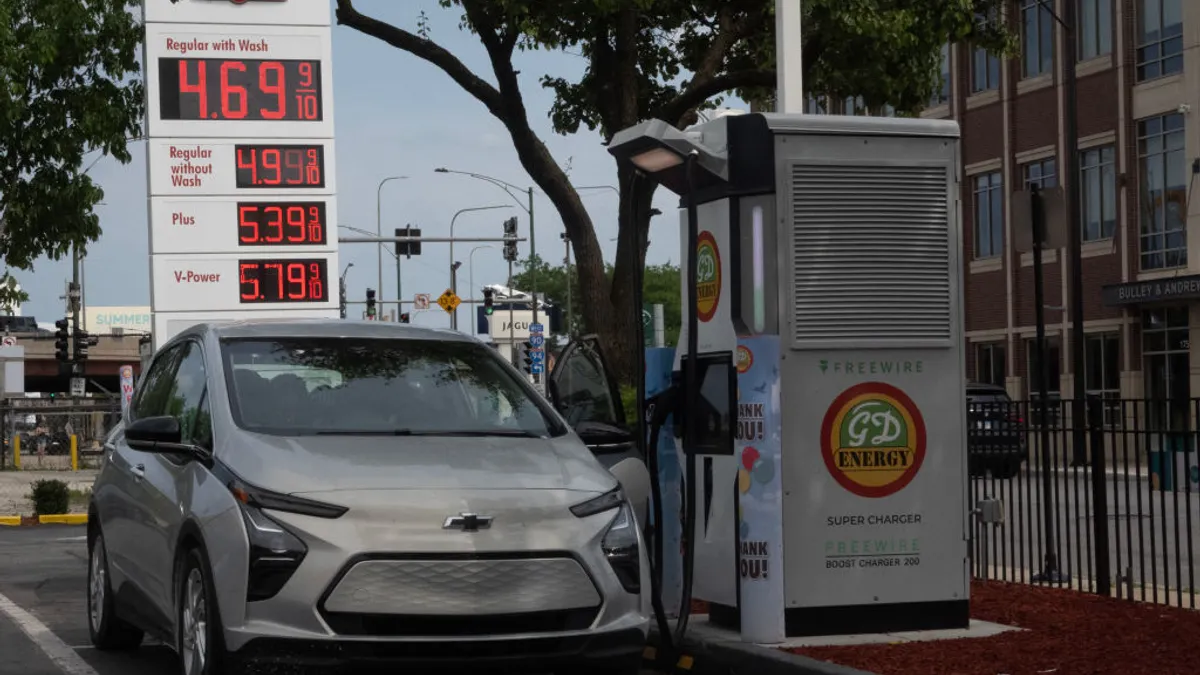
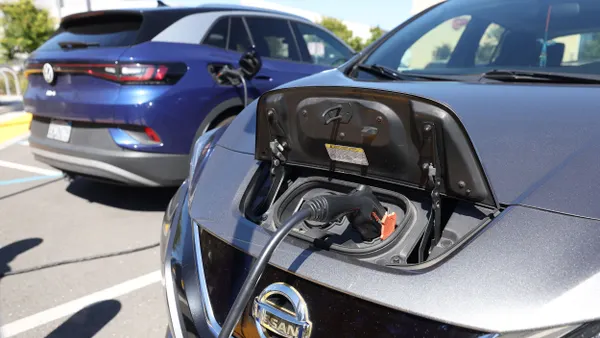
In 2021, the New Jersey Board of Public Utilities approved PSE&G’s Clean Energy Future Electric Vehicle Program, the first utility-led initiative of its kind in the state. The program gave us the green light to expand EV-charging infrastructure across our service territory, supporting New Jersey’s broader clean energy goals and enabling charging in residential, business, and public spaces — about 45,000 chargers in all.
Since the program’s launch, we’ve continued to help build out the state’s EV-charging network, strengthening grid reliability across our service area by preparing the system for the growing EV demand. A key aspect of our program is providing incentives for customers who choose to go electric, making it easier for them to install chargers at home or at their businesses, and to be part of a network designed for long-term reliability. Our program also provides make-ready support, which helps cover the cost of upgrading infrastructure so new chargers can be installed safely and efficiently — work that directly strengthens grid reliability as charging demand grows.
The result is a program that continues to evolve, shaped by lessons learned and grounded in PSE&G’s mission to provide safe, reliable, affordable, and cleaner energy to those we serve.
Building while flying
When we set out to launch the program, I knew the stakes were high. What I didn’t know was just how much grit, creativity, and collaboration it would take to move from a small pilot to one of the largest utility EV initiatives in the country. Looking back, the challenges we faced turned into opportunities to learn lessons that continue to shape our work today.
In the beginning, our team was lean, and although we had a clear strategy, at times it still felt like we were building the plane while flying it. Priorities shifted quickly, as they do with any new program launch, and we had to adapt to meet evolving timelines and goals.
When the program’s launch date was moved up to an earlier and more ambitious target, it pushed us to think differently about how to coordinate the rollout. We chose to take a phased approach that allowed us to hit our key milestones while continuing to strengthen the program’s foundation. That experience reinforced an early lesson for me: When you stay flexible and focus on progress, you can meet challenges that once felt out of reach.
Scaling the team
As momentum grew, it became clear we had to expand the team to support the work. Scaling quickly meant creating job descriptions, reviewing resumes, interviewing, onboarding and training new team members — all while keeping the program itself moving forward. It was a demanding but deeply rewarding process.
Each new teammate we onboarded brought the unique expertise that we needed — though most didn’t come with direct EV experience. Some came from customer service, others from construction or electric operations backgrounds. What they all did bring was a strong willingness to learn, as well as a wide range of transferrable skills. Together, we built not just a team, but a community of people committed to advancing cleaner transportation in New Jersey.
Turning the gears
One of the most important lessons I’ve learned is that utility EV programs touch every corner of the company. I once sketched out a graphic with gears to show the extent of it — corporate real estate, engineering, customer service, regulatory, finance, electric operations. If even one gear stalled, the whole system slowed down.
To keep the momentum going, coordination across silos was necessary. Discussions around easements, transformers, supply chain issues, etc., may not have been glamorous, but all of it was important to continue advancing the program.
Key lessons learned
Looking back, a few lessons stand out from those early days:
- Set achievable goals. Ambition is important, but transparency about risks builds credibility.
- Invest in people. Success comes from the strength of the team. Hiring and developing unique talent is as critical as the technology itself.
- Build bridges between teams. Programs of this scale depend on collaboration across the entire enterprise.
- Persevere through setbacks. Every obstacle was temporary, and persistence always moved us forward.
- Celebrate progress. From energizing our first chargers to onboarding new staff, recognizing milestones sustained morale while showcasing progress.
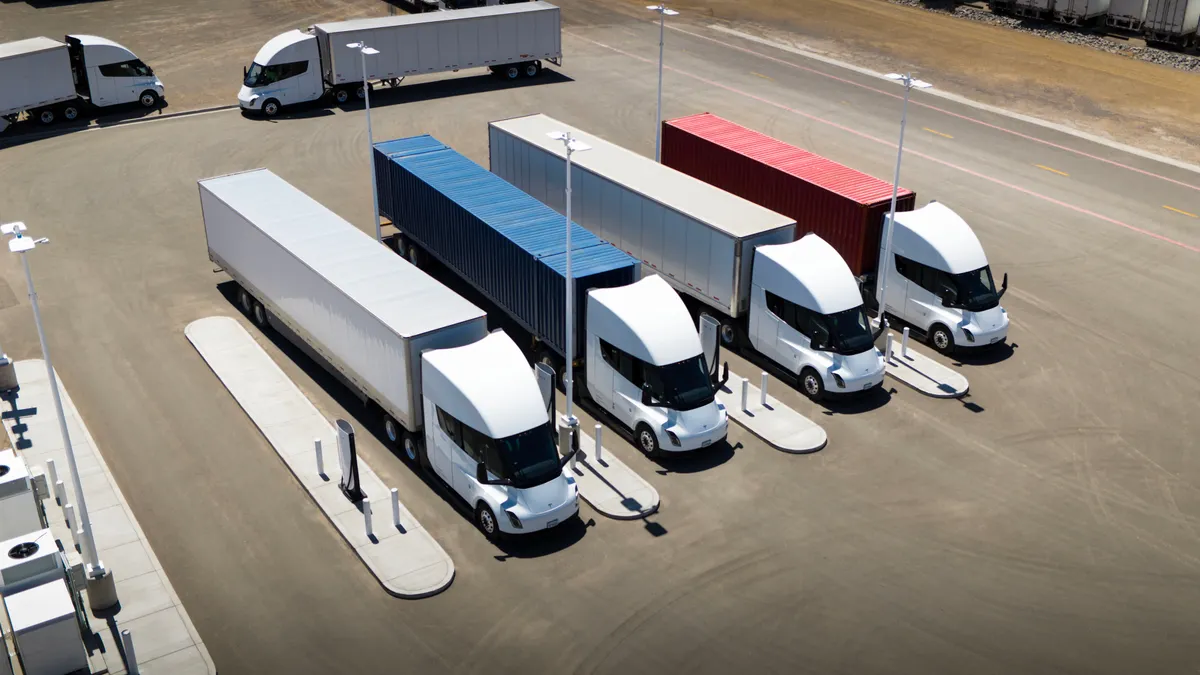
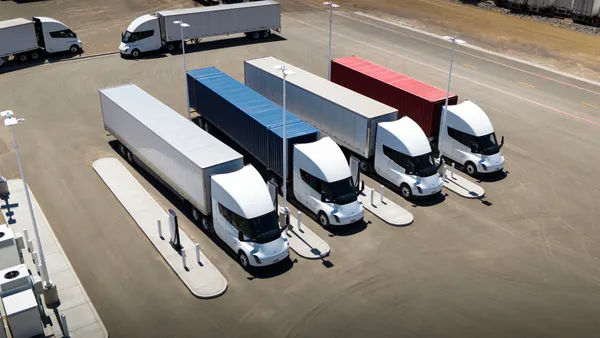
Today, PSE&G’s EV program has energized tens of thousands of chargers across New Jersey — 28,000 as of October — with more to come. We’re preparing for the next frontier — medium- and heavy-duty vehicle electrification — which will require even greater innovation and stronger partnerships.
Our portfolio of programs reflects the breadth of this effort.
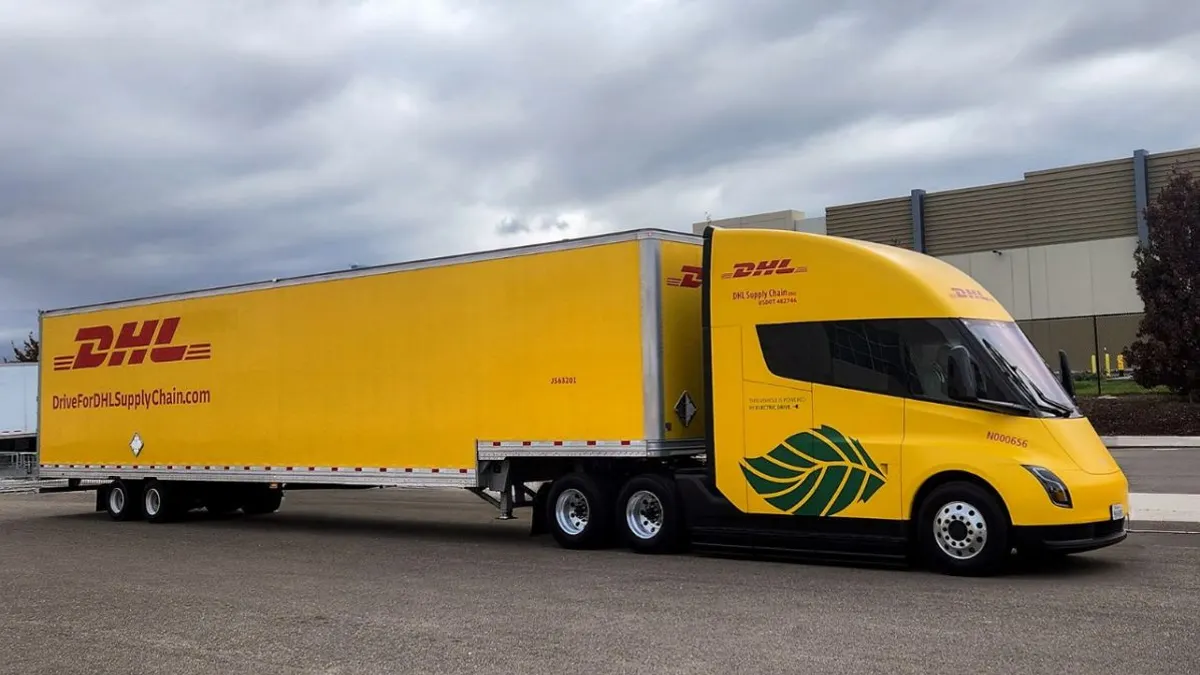
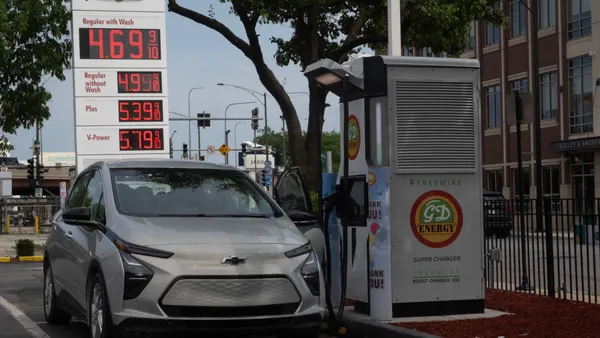
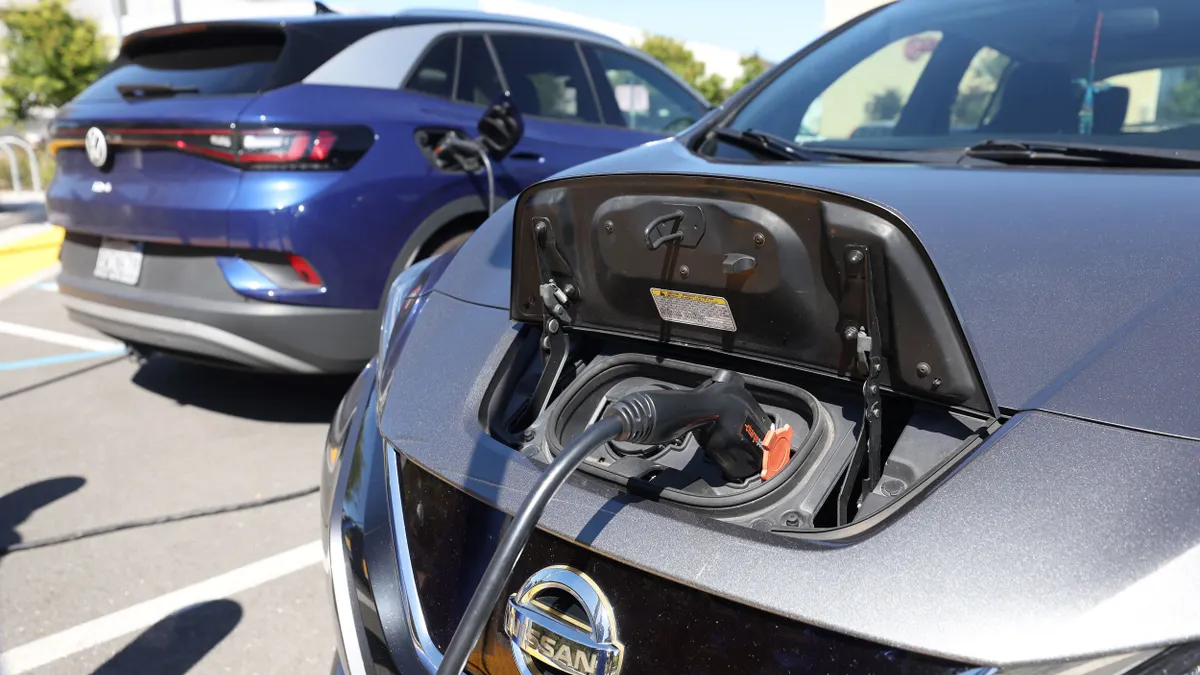
For residential customers, we offer rebates to offset the cost of installing home chargers, along with incentives to upgrade service lines when needed. For multifamily properties, we provide funding to reduce installation barriers and expand access to charging; and for governmental entities we support charging installation in community locations. On the commercial side, businesses can take advantage of incentives for public charging stations, including fast-charging hubs that help EV drivers who may be driving through our territory. In the near future, we look forward to expanding our reach by introducing specialized programs for fleets, helping schools, transit agencies, and businesses to electrify their vehicles by providing make-ready infrastructure and technical support.
As EV adoption continues, PSE&G is committed to supporting our customers who choose to go electric and investing in the programs, tools, and grid upgrades needed to ensure a more reliable energy future for the state — and our EV program is an important part of that.
None of this would have been possible without the lessons from those first years. I learned to stay flexible, keep moving forward, and believe in the mission. And today, we’re still looking for ways to continuously build upon the program and improve existing processes with those important lessons in mind. The result is a program that demonstrates — and will continue to demonstrate — what utilities can achieve when they commit to electrification.