Dive Brief:
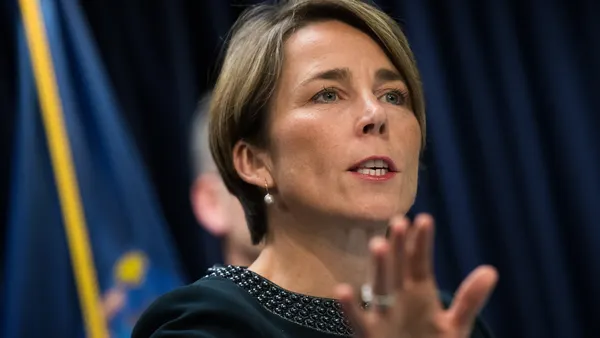
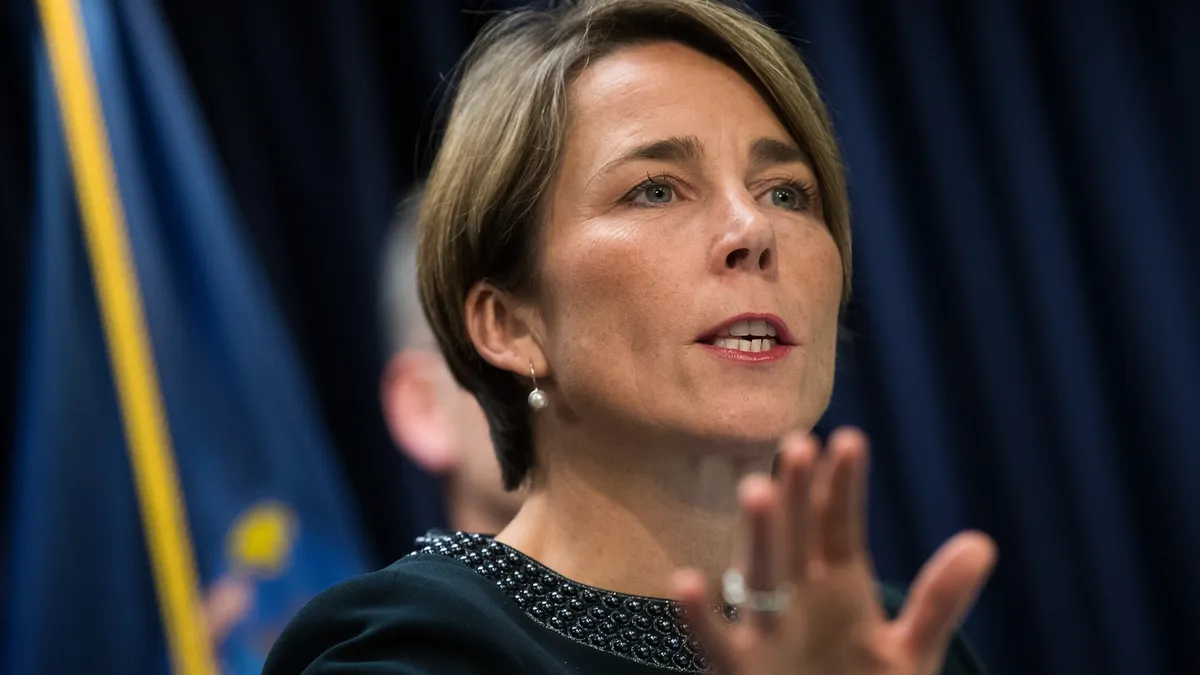
- Massachusetts Gov. Maura Healey, D, on Monday signed an executive order directing the state to support development of 10 GW of energy resources by 2035, along with a separate 5 GW energy storage target.
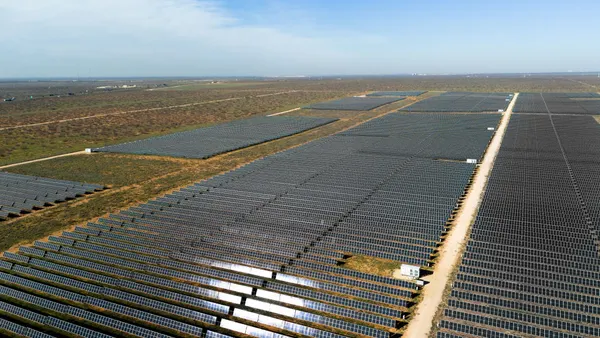
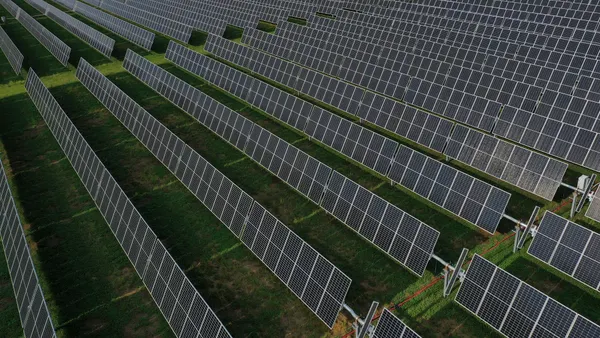
- The 10 GW target for new resources includes 4 GW of solar and 3.5 GW of new electric demand reduction, including energy efficiency, virtual power plants and electric vehicle charging management.
- Business and clean energy leaders in the state said the order uses the state’s authorities to support a more affordable, resilient, and clean energy system. Candidates running against Healey, who is up for re-election this year, criticized the announcement, saying her policies are driving up energy costs in the state.
Dive Insight:
Massachusetts has some of the highest electricity prices in the country, though the prices are similar to those in the rest of New England and some other states.
According to the U.S. Energy Information Administration, residential customers in Massachusetts paid an average of 30.88 cents/kWh in December, compared with 31.15 cents/kWh in Rhode Island and 34.71 cents/kWh in California.
Healey officials said the new energy resource and storage targets can help to address the region’s affordability issues.
“Setting firm targets and laying out a clear energy supply strategy will provide certainty and stability as we work to lower energy bills,” Massachusetts Energy and Environmental Affairs Secretary Rebecca Tepper said in a statement. “And by building more energy resources with a fixed price, we can give Massachusetts a competitive edge. We’re going to work as a region to power our communities and ensure more affordable, reliable service.”
The executive order calls for the state’s Office of Energy and Environmental Affairs to review and expedite existing and planned initiatives to support new solar, energy storage and wind resources; improve policies to reduce barriers to deployment and increase the output of existing facilities; and partner with the state’s utilities to implement improvements around solar interconnection.
The executive order also calls for the state Department of Public Utilities to review existing gas and oil storage capacity and utilization and to “coordinate with gas utilities, fossil fuel generation facilities, and other New England states to develop greater clarity on how the Everett Marine Terminal and other fuel storage assets may contribute to meeting regional energy supply needs and maintaining system reliability.”
The Everett LNG import terminal is key to meeting New England’s energy needs, particularly for heating. It connects to two interstate pipeline systems as well as a local gas utility distribution systems. There are questions about the terminal’s future, though owner Constellation has said it will continue operating Everett through winter 2029-30, according to the EIA.
Eversource, the largest electric utility in Massachusetts, in a statement said it appreciates Healey’s “recognition that addressing our region’s supply constraints through an all-of-the-above approach is an essential component of any comprehensive solution to energy affordability.”
Healey’s opponents say the governor is to blame for Massachusetts’ energy prices, pointing to a study completed while she was Massachusetts attorney general, which concluded the state did not need new gas pipeline capacity.
Healey is “doubling down on the very policies that created this crisis,” Mike Kennealy, a Republican candidate for governor, said in a statement. “The reality is that if Governor Healey had not blocked two natural gas pipelines from entering Massachusetts, we would not be facing the energy challenges we have today.”
Healey says she supports a broad range of energy solutions. The Massachusetts Department of Public Utilities in January approved a gas supply contract for Eversource.
The Acadia Center, which supports clean energy solutions, applauded Healey’s executive order.
“Proposals such as developing new natural gas pipeline capacity will only do more to exacerbate the overreliance and overexposure New England ratepayers already face” to the price volatility of fossil fuel-based energy, Jamie Dickerson, senior director of climate and clean energy programs at Acadia Center, said in a statement. The Healey administration has “wisely chosen to keep the focus where it needs to be: on promoting new clean electricity supply, new energy storage, new grid connections, and new demand-side flexibility measures.”
At 10 GW, Dickerson said the proposal “can collectively deliver a clean energy pipeline to meet the reliability needs of the region at far lower cost.”