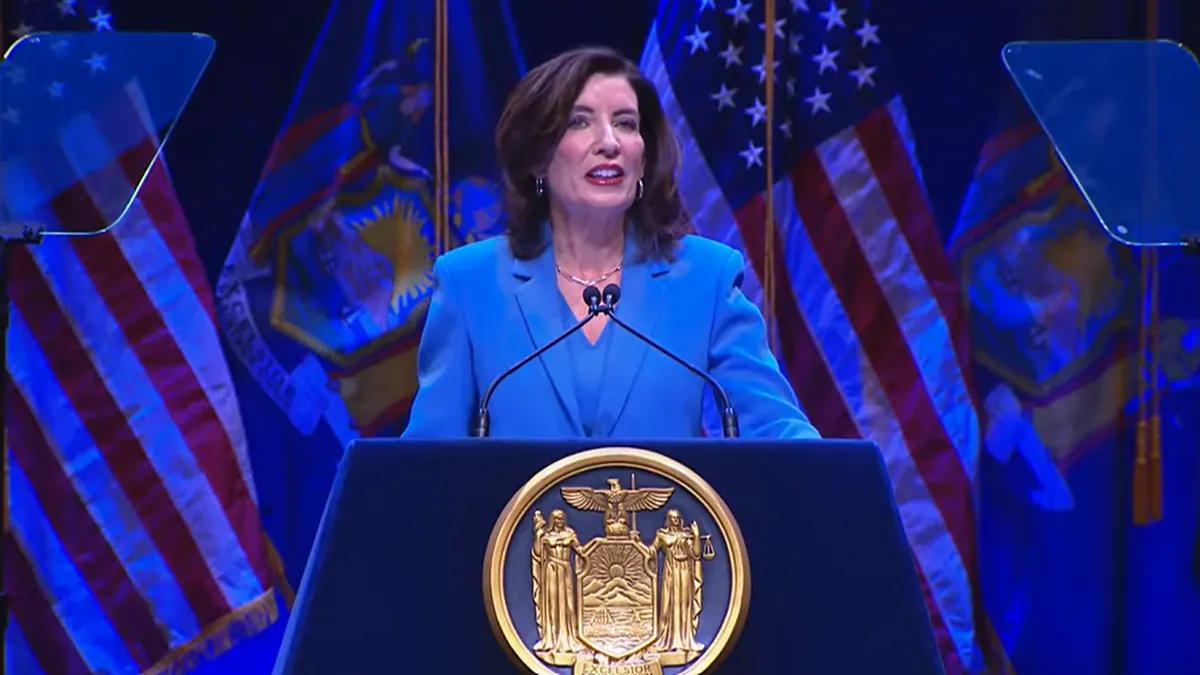
New York will target development of 5 GW of new nuclear power, vastly expanding on a 1-GW goal set last June, Gov. Kathy Hochul announced Tuesday in her State of the State address.
Hochul’s speech was short on details regarding her nuclear aspirations. The state’s Climate Leadership and Community Protection Act requires New York to achieve a 100% zero-emission electricity system by 2040. And last month, the New York State Energy Planning Board adopted a new state energy plan that cast nuclear energy as key to New York’s reliability and decarbonization goals.
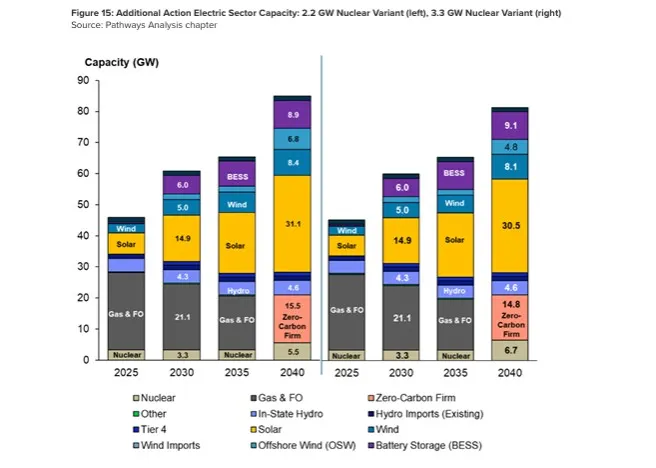
The plan, which offers “broad” guidance rather than binding targets, also highlighted some of the challenges facing nuclear. It described nuclear projects’ “long lead times and uncertain costs,” and noted the likely need for changes to zero emission credit programs and wholesale markets to balance concerns over capacity, reliability and ratepayer impacts.
A policy book released alongside Hochul’s speech says the governor plans to direct state agencies to “establish a clear pathway for additional advanced nuclear generation to support grid reliability.” A nuclear reliability “backbone” will be developed through a new Department of Public Service process “to consider, review, and facilitate a cost-effective pathway to 4 gigawatts of new nuclear energy.”
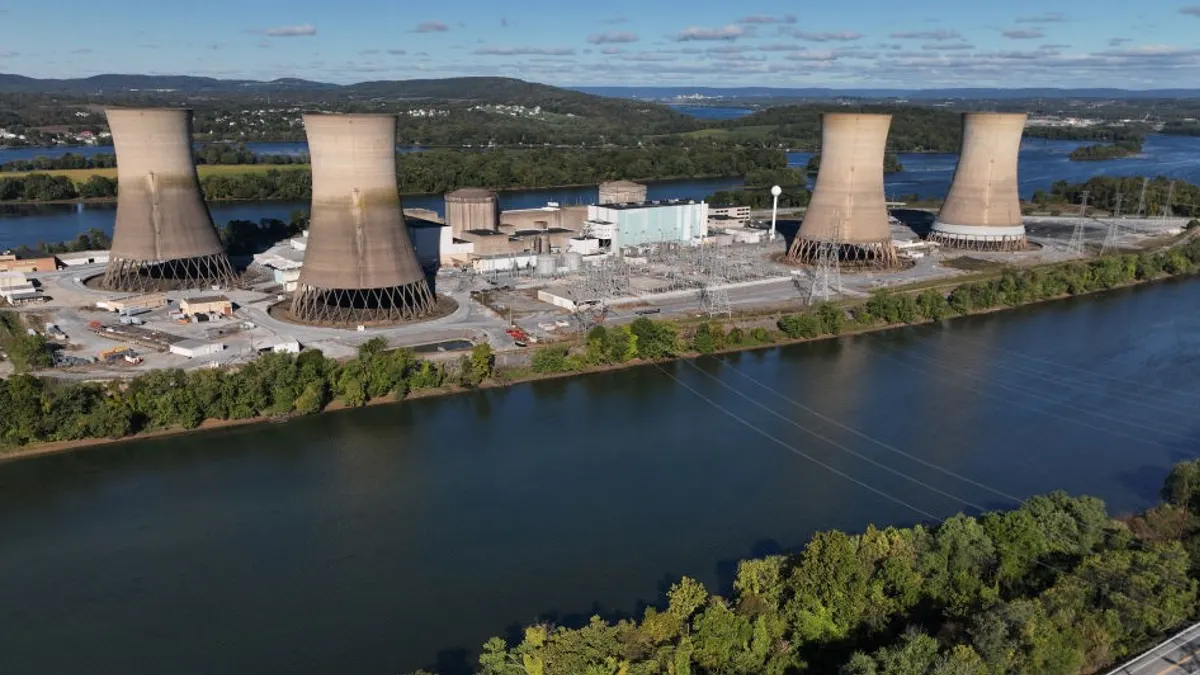
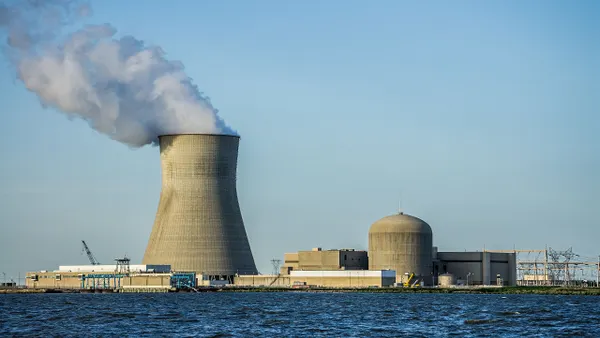
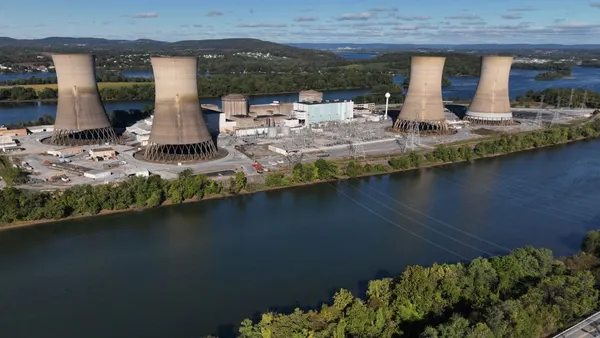
If successful, the buildout would bring New York’s total nuclear fleet to more than 8 GW. The state currently has three plants with four operating reactors totaling 3.4 GW of capacity, all owned by Constellation Energy. Nuclear power supplies about 21% of New York’s electricity.
“Go big or go home,” the democratic governor said during her address, adding that the state seeks to build more nuclear generation “than has been built anywhere in the United States in the last 30 years.”
In 2024, Georgia Power completed an expansion of Plant Vogtle in Georgia, including the first two new nuclear reactors built in the U.S. in decades. The reactors came online years late and cost more than double the original estimate of $14 billion, and continue to roil energy politics in Georgia.
Utilities and large energy users have increasingly explored small modular reactors as a potential alternative to the large, traditional reactors like those deployed at Vogtle, but none are operating in the U.S. currently and the technology is nascent.
Doreen Harris, president and CEO of the New York State Energy Research and Development Authority, praised the governor’s plan for creating a “nuclear reliability backbone.”
“This effort will provide firm, clean power that will compliment over 50 GW of incremental renewable energy resources and reduce NY's reliance on fossil fuel generation,” Harris wrote on LinkedIn. “By creating a stable foundation of always-on energy, the Backbone will allow renewable resources to operate more efficiently and flexibly.”
Hochul also said New York will “launch a nuclear workforce development program” to ensure the state is ready to build the new plants.
There have been a spate of nuclear projects announced around the U.S. recently, as utilities and large consumers look for ways to meet rising electricity demand. Much of the need centers around the development of data centers to serve artificial intelligence.
Meta announced Friday that it has struck deals with Oklo, Vistra and TerraPower to supply up to 6.6 GW of nuclear power to its data centers by 2035.
President Trump has said he wants the U.S. to deploy 300 GW of net new nuclear capacity by 2050 and have 10 large reactors under construction by 2030. In October, Westinghouse Electric, Cameco and Brookfield Asset Management announced they’d entered into a strategic partnership with the U.S. government to deploy $80 billion in new nuclear reactors.
NASA and the U.S. Department of Energy on Tuesday said they were renewing their commitment to deploying nuclear reactors on the Moon and in orbit.
Back on Earth, New York’s grid operator anticipates electricity demand could increase by 50% to 90% over the next two decades, driven by the electrification of heating and transportation and the development of energy intensive projects and industry such as data centers.
“Data centers are vital for an innovative future,” Hochul said in her Tuesday address. “But they guzzle up tremendous amounts of energy and leave ratepayers footing the bill. So if they want to build in New York, they’ll have to pay their fair share for the power they use and ultimately generate their own power independently.”
Correction: This story has been updated with the correct date of Hochul's speech.