Tim Tarpley is the president of the Energy Workforce & Technology Council, a trade association for the energy technology and services sector.
With all the talk of incredible energy demand projections for the next few years, it’s easy to brush them off as hype. In fact, it’s hard to keep up. Every time we hear a new projection, it’s higher than the last. Just last week, Department of Energy Secretary Chris Wright said we’re going to need 100 GW of new firm generation capacity within five years due to growing demands from AI and data centers.
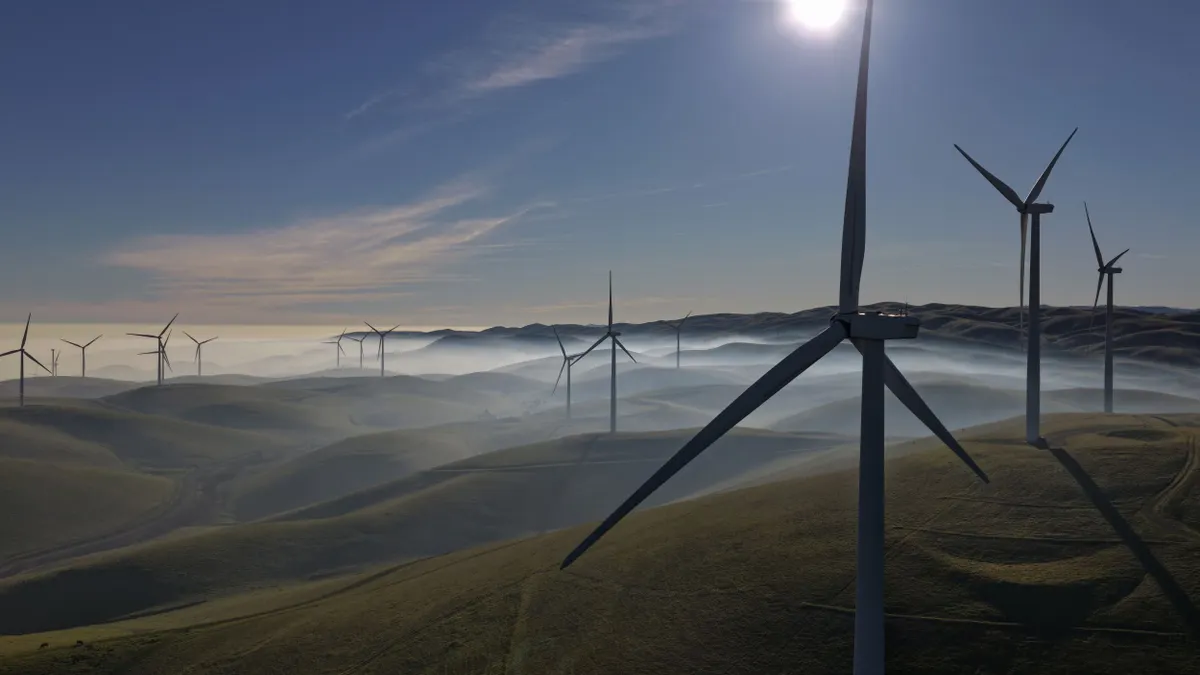
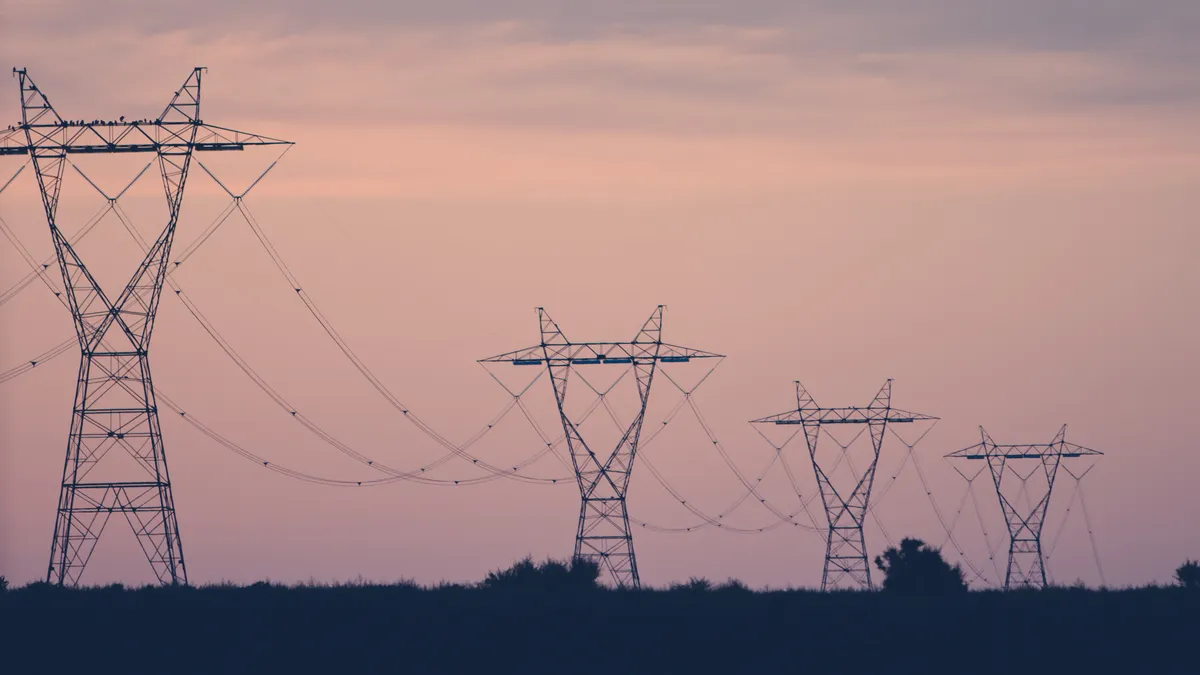
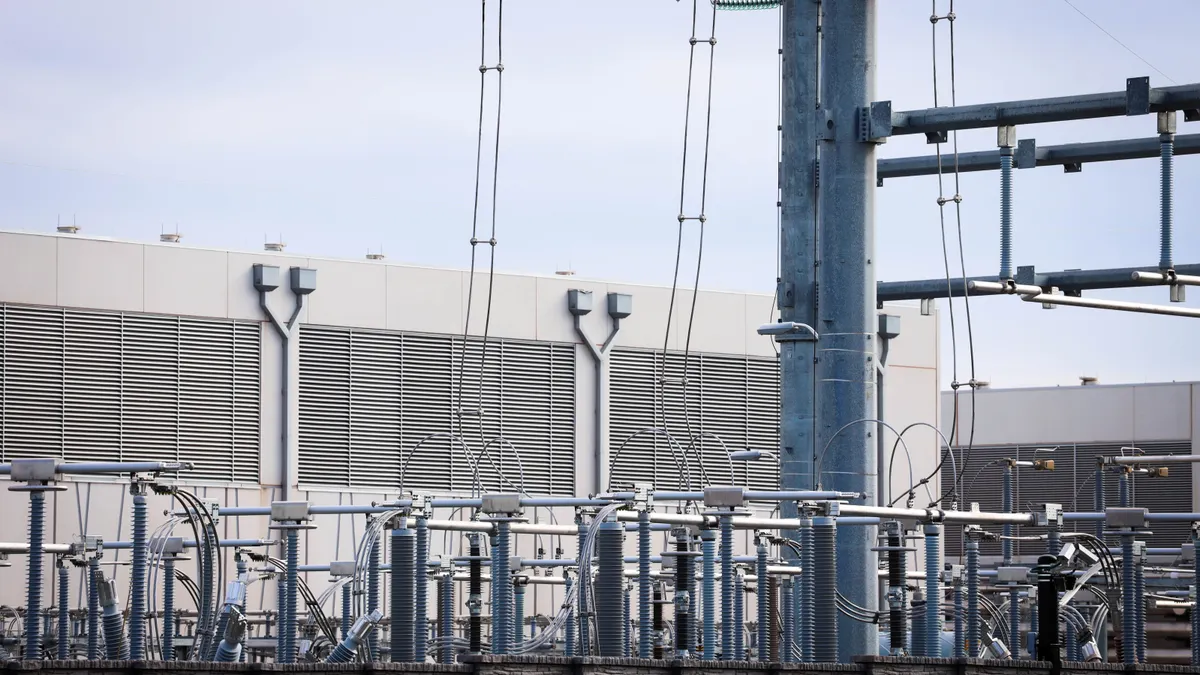
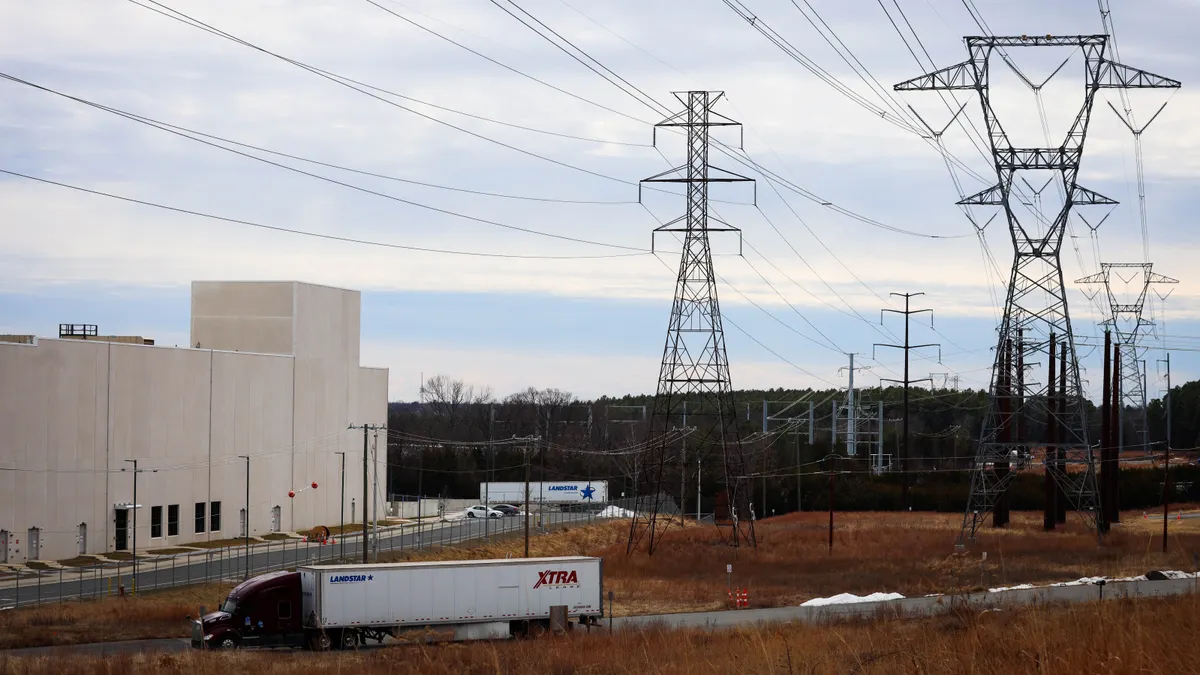
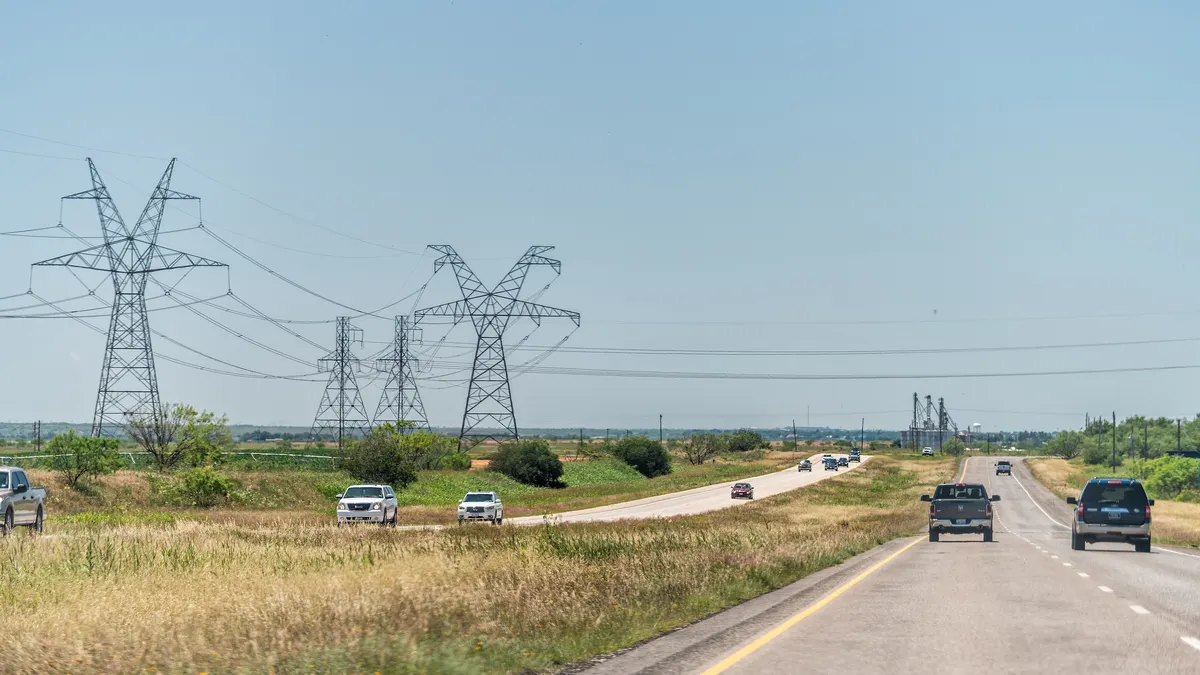
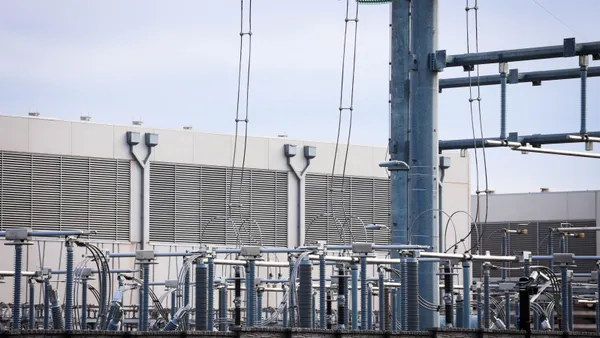
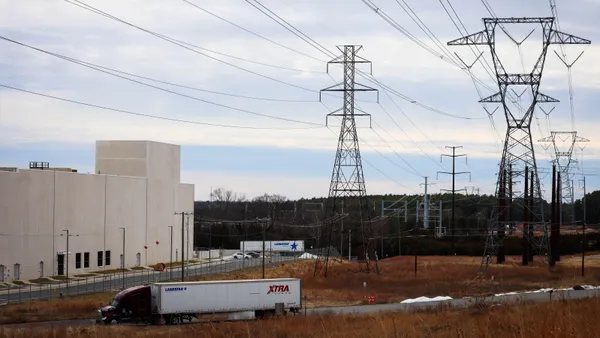
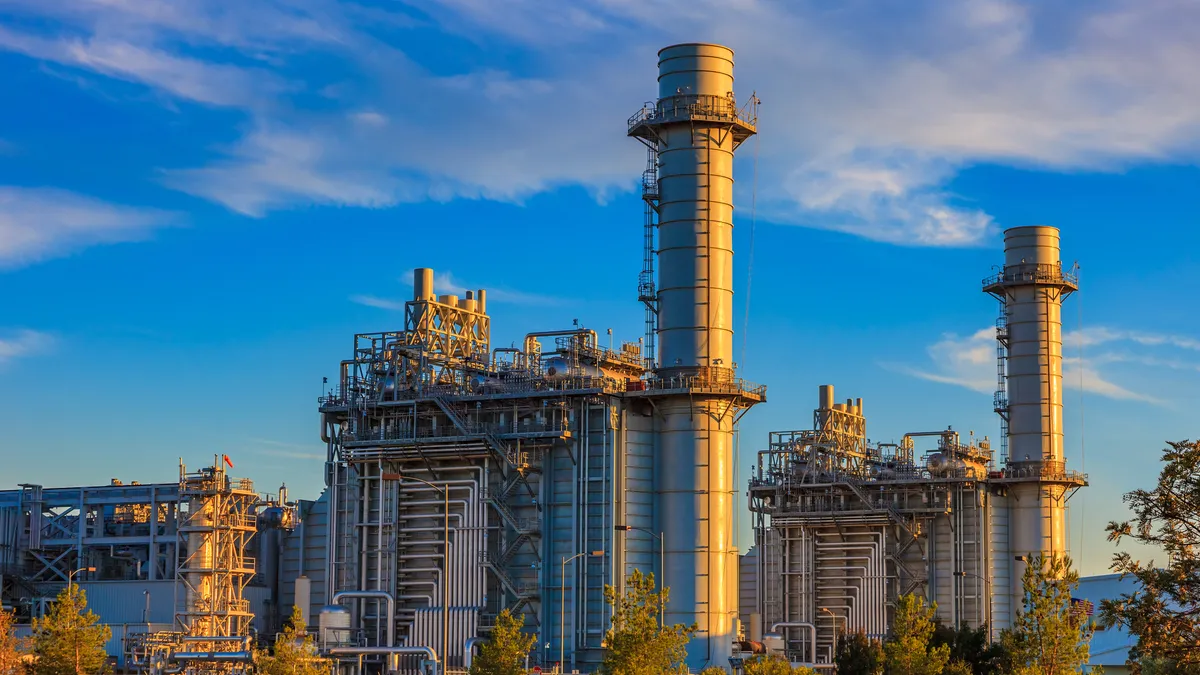
How much power is that? Roughly enough to run 72 million American homes. According to the Census Bureau, there are about 148 million homes in the United States. To put it simply, we’ll need to generate enough new electricity in the next five years to power half of all U.S. homes. That herculean task will require laying thousands of miles of new gas pipelines, building transmission lines and substations, and constructing new generation facilities across the country.
And we shouldn’t kid ourselves, if we don’t get it done, somebody else will. Probably China. To the winner go the spoils, and if the AI boom lives up to the hype, that winner could dominate the 21st century both economically and militarily.
Right now, it takes longer to permit an energy project in America than it does to build one, thanks to overlapping reviews and endless litigation that bog down every step of the process. We’ve already ceded ground to competitors like China and Russia. They’re building and exporting energy infrastructure while we’re tied up in paperwork and waiting on signatures.
The National Environmental Policy Act, passed more than 50 years ago, was meant to protect the environment. But decades of red tape have turned it into a political weapon. What was once a decision-making tool is now used to stall projects until investors walk away.
That dysfunction translates directly into lost paychecks, idled rigs and higher costs for American energy. Energy service companies, the backbone of U.S. production, sit idle while projects die on the vine.
Some in Washington call this a necessary tradeoff for environmental protection. But that’s a false choice. In reality, modernizing permitting helps the environment. Stalled liquefied natural gas projects push allies toward higher-emitting Russian alternatives while safer technology sits waiting for approval.
That’s why the bipartisan Standardized Permitting and Expediting Development Act, also known as the SPEED Act, matters. This bipartisan bill, introduced by House Committee on Natural Resources Chairman Bruce Westerman (R-Ariz.) and Rep. Jared Golden (D-Maine), is currently the most viable permitting reform vehicle to move this Congress.
The Trump administration made real progress streamlining reviews, and DOE Secretary Wright has pushed reforms that put outcome over process. But there’s only so much the executive branch can do alone. The SPEED Act builds on that foundation, locking reforms into law and giving investors the certainty they need to move projects forward. That stability drives jobs, lowers costs and keeps America competitive.
For the energy services sector, which supports more than 650,000 jobs nationwide, the stakes could not be higher. While our companies don’t own pipelines or LNG terminals, instead, we supply the people and expertise that keep them running. When permitting slows, everything else does too. Every month lost to red tape is a month American workers are benched and foreign competitors gain ground.
Congress can either deliver durable permitting reform or continue outsourcing America’s future to Moscow and Beijing. Passing the SPEED Act before the end of the year would prove Republicans and Democrats can still come together to solve a problem that directly affects our economy, our energy security and our standing in the world.
Critics claim reform “weakens protections.” That’s false. The SPEED Act keeps environmental standards intact and ensures reviews remain transparent and timely. Agencies still conduct reviews. Communities still have input. But endless lawsuits and bureaucratic delays can no longer be weaponized to kill projects simply because they’re energy-related.
America was built by people who knew how to get difficult things done. We put men on the moon with computers as powerful as today’s wristwatches. We became the world’s leading energy producer through innovation and grit.
The choice before Congress is simple. Stick with the status quo: paralysis by paperwork, idled workers and ceded ground to our adversaries. Or pass meaningful reform, unleash American energy, workers and technology and prove we still fight for us. We can still do what others think is impossible.
The SPEED Act isn’t just another bill. It’s a test of whether Washington can deliver results instead of excuses. Congress should move quickly. Our workers are ready. Our industry’s ready. Let’s roll up our sleeves and get this done.