The PJM Interconnection set another record high in its most recent capacity auction, to the surprise of no one. But, on the other hand, it could have been even higher.
In other news, 2025 is shaping up to be another record year for new energy storage installations. With Ford entering the market, the industry expects continued growth, despite some bumps in the road.
Here is your week in numbers.
BY THE NUMBERS
►$530/MW-day
The capacity price that would have cleared in the PJM Interconnection’s latest auction if it hadn’t set a temporary price cap of $333.44/MW-day — still a record high. The price cap was agreed to as part of the grid operator’s negotiations with Pennsylvania Gov. Josh Shapiro, D, who has threatened to pull his state out of PJM over skyrocketing prices (a feat easier said than done, according to some). The auction results increase pressure on state utility regulators to create new tariff structures to ease concerns about shifting costs from data centers to other utility customers, analysts said.
►20 GWh
The anticipated annual capacity of Ford’s new stationary energy storage business it plans to launch in 2027 after overhauling its electric vehicle strategy. The automaker says it will invest around $2 billion in the next two years to scale the business. It will convert plants in Kentucky and Michigan to produce lithium iron phosphate batteries, including 5 MWh+ battery energy storage systems and 20-foot DC container systems of the type used by data centers, utilities and large-scale industrial and commercial customers. It also plans to manufacture smaller Amp-hour cells for residential energy storage units.
►12.9 GW/36.2 GWh
Storage capacity installed in the U.S. over the first three quarters of 2025, according to the American Clean Power Association and Wood Mackenzie. That is already more than the 12.3 GW installed in all of 2024, which was a record. Despite near-term year-over-year declines in the utility-scale and residential segments, the report projects 92.9 GW of storage will be installed in the U.S. over the next five years. “[T]he market fundamentals remain exceptionally strong,” said Allison Feeney, a research analyst at Wood Mackenzie.
►$280M
The cost of the Midcontinent Independent System Operator’s ongoing “settlement adjustment” of its most recent capacity auction after discovering a software coding error that affected its planning reserve margins. Independent power producers have challenged that adjustment and asked FERC to reverse it, arguing that it amounts to an illegal “rerun” of the auction. MISO rejects that characterization. “MISO is not rerunning or resettling the [auction], nor will it take new bids or establish a new auction clearing price,” it said. Instead, it is applying an “appropriate adjustment” using corrected values consistent with the tariff, it said.
►730 MW
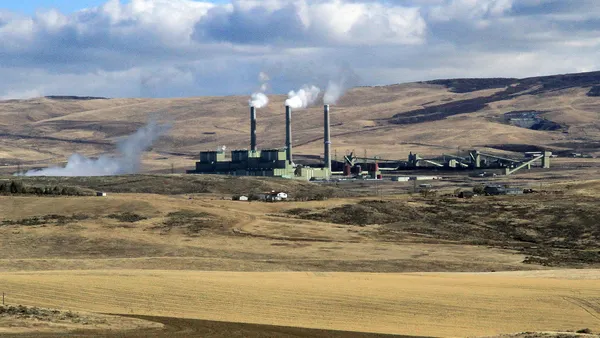
The capacity of the remaining coal-fired unit at the Centralia power plant in Washington that the Department of Energy ordered to continue running past its planned retirement at the end of this month. TransAlta, the Canadian independent power producer that owns the plant, retired its 670-MW Centralia Unit 1 in 2020 and recently announced plans to spend $600 million converting the plant to gas and sell electricity to Puget Sound Energy. It is unclear who will pay TransAlta to keep the Centralia plant running. The company said it is evaluating DOE’s order.