Andrew Phillips is vice president of transmission and distribution infrastructure at the Electric Power Research Institute.
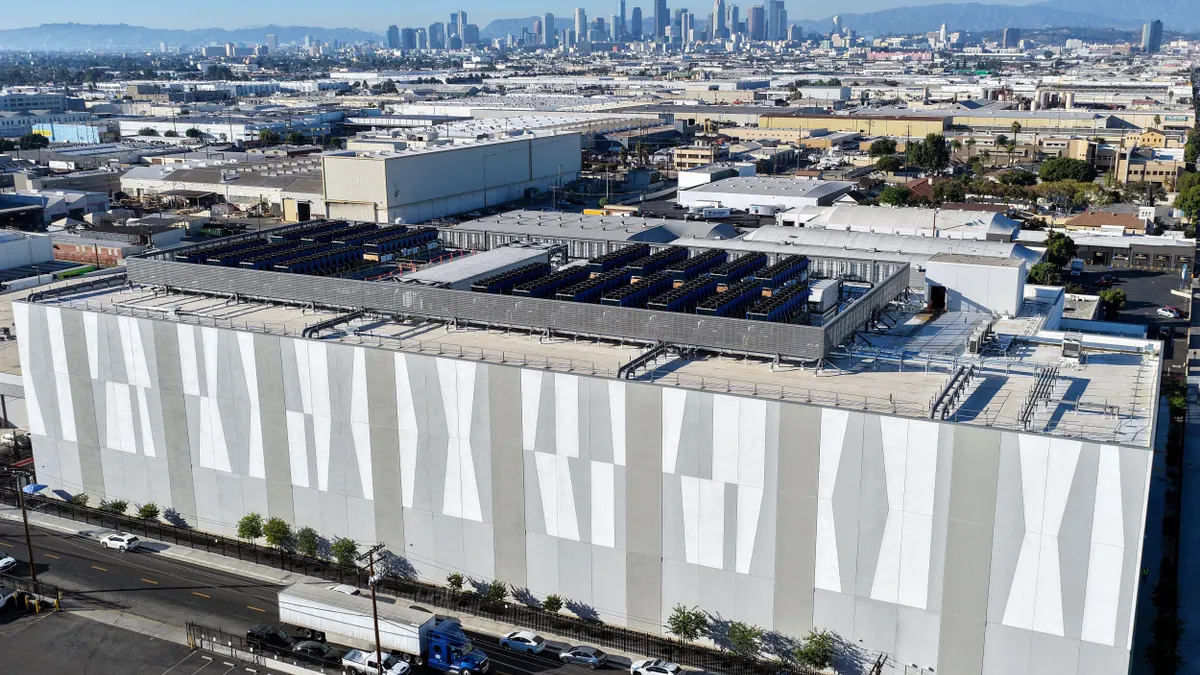
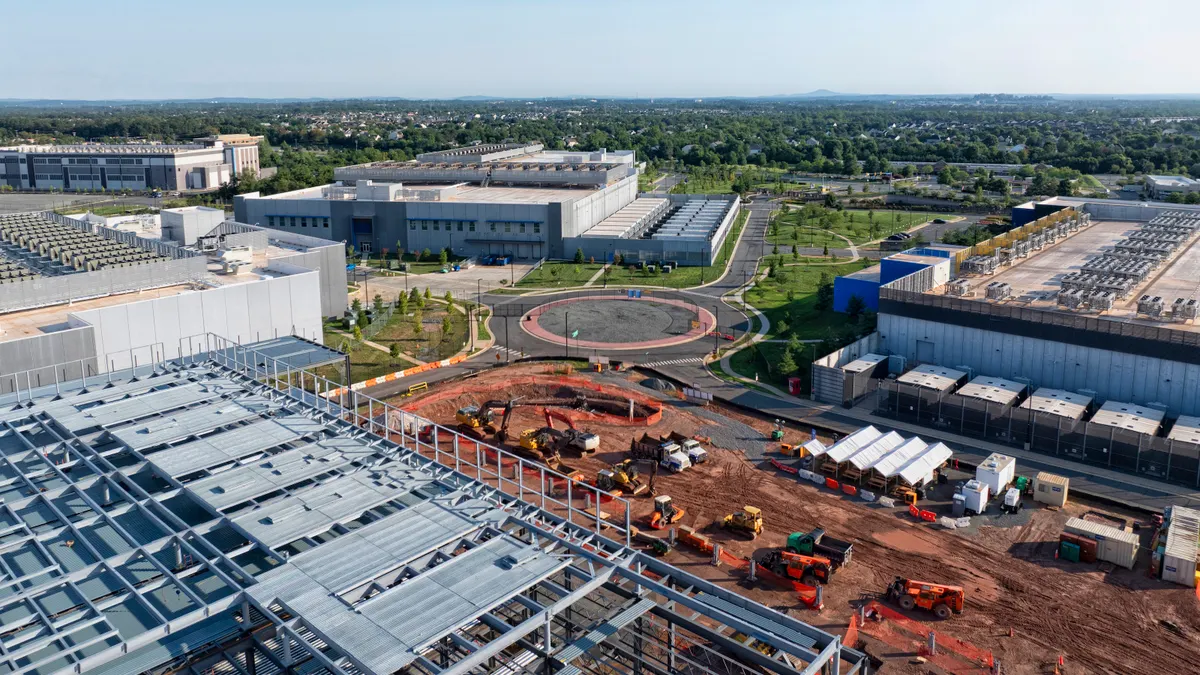
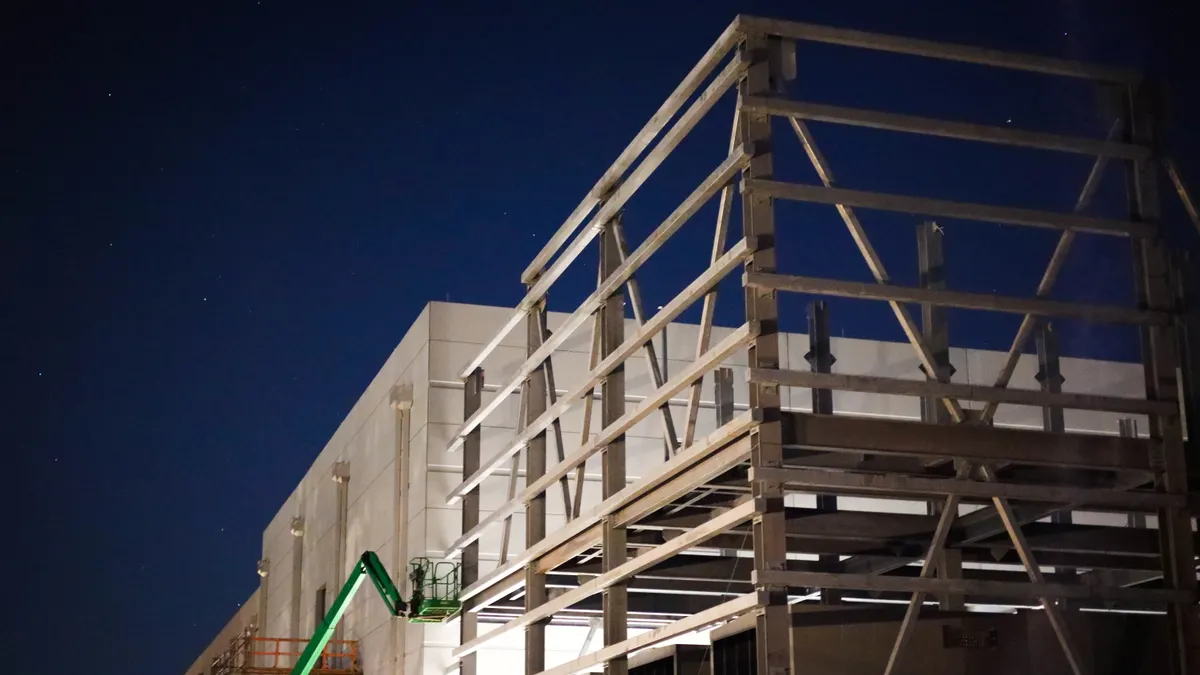
With the rise of AI and the resurgence of onshoring, questions arise about whether the U.S. electric grid is prepared to meet these rapidly increasing capacity demands. For context, in 2024, EPRI released a study estimating that data centers alone could consume up to 9% of U.S. electricity generation by 2030 — more than double the amount currently used. Today, we believe that estimate may have been too low.
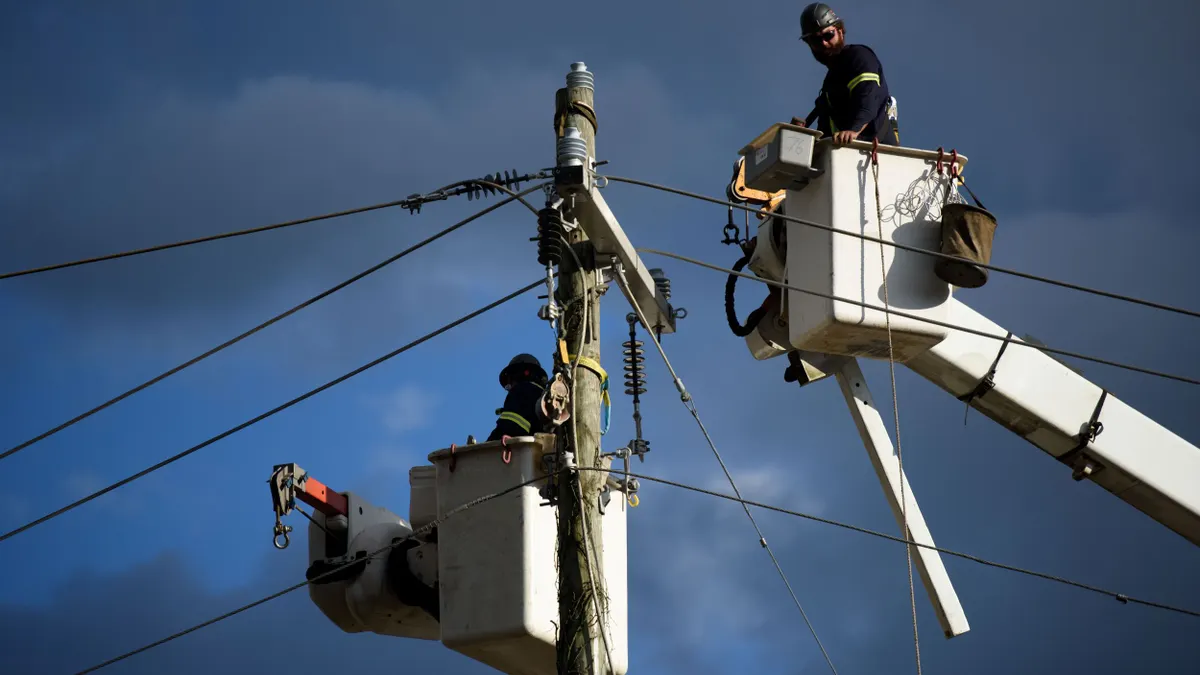
What we know for certain is that America’s energy demand is growing at rates we have never experienced before. The growth of these historic capacity demands has already started and is creating new challenges for existing transmission systems. Meeting the needs of this moment requires utilities to work with urgency to find solutions that support both short- and long-term transmission needs.
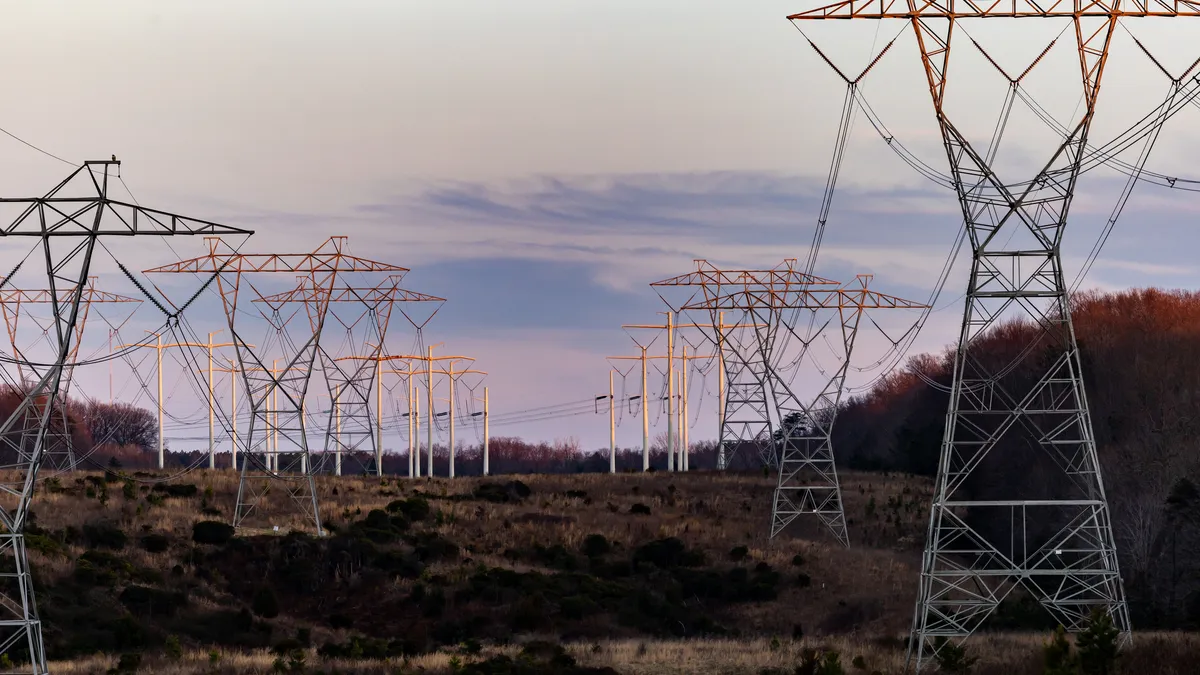
Yet building new transmission lines in some cases can take more than a decade under current permitting processes, creating a critical bottleneck. While regulatory bodies debate permitting reform, the clock is ticking on how quickly we can expand and modernize the grid to keep pace with demand.
Working ahead of these challenges, the GET SET initiative was launched to help enable the confident adoption by transmission owners and operators of grid-enhancing technologies, the hardware and software solutions that maximize the capacity and efficiency of our existing transmission lines. By having a strong technical basis to scale GETs like advanced power flow control, transmission topology optimization and dynamic line ratings, energy companies can be better equipped to respond to today’s challenges while also accelerating research and development for new solutions. Incorporating GETs into the transmission system alongside new transmission helps the energy sector meet the capacity and reliability needs of today and tomorrow, and enable continued growth and development of other industries.
There are also numerous well-tested solutions for power transmission upgrades ready for adoption today. One ready-to-use technology is advanced conductors. Advanced conductors use new and existing materials to increase the thermal capacity of power lines. Their design allows them to operate at high temperatures (typically above 300°F). The hardware can include traditional materials such as aluminum or steel, or may be comprised of metal matrix or organic matrix (carbon) cores.
However, it’s important to note that advanced conductors may not always be cost-effective compared to other options. Potential installation damage, limited familiarity and ongoing maintenance needs are important considerations. Each situation is different and needs detailed analysis.
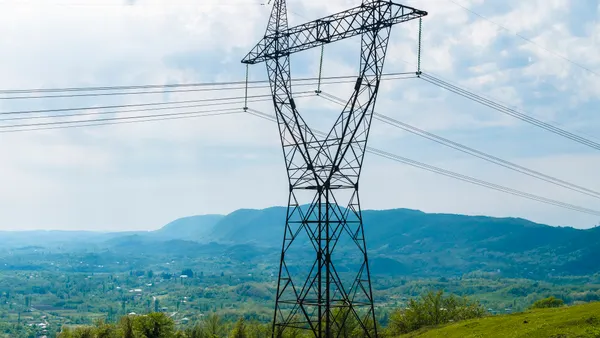
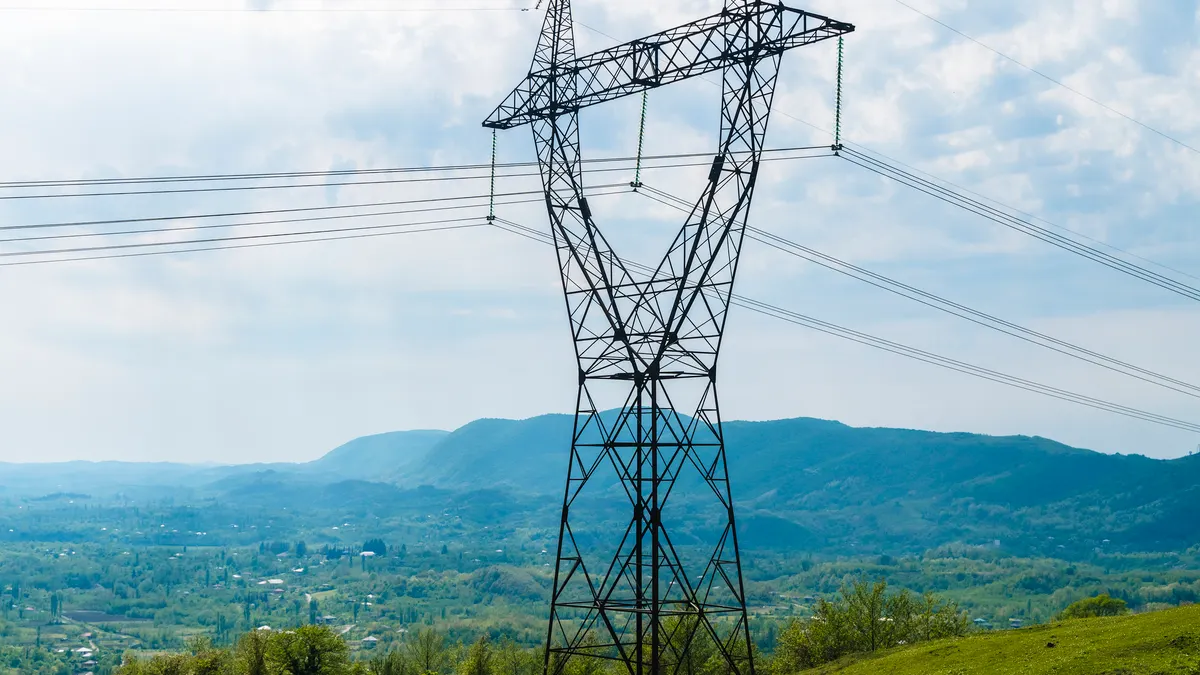
Another example of increasing the capacity of the transmission system is the expansion of extra-high voltage 765 kV-class infrastructure. This technology has proven to be an efficient and reliable choice for high-capacity transmission in power grids worldwide for more than half a century. Though its adoption stalled in North America due in part to market preferences for modular grid solutions and a slowing industrial load growth, 765 kV has reemerged as a compelling solution for regional and interregional applications. In 2024, nearly 5,000 miles of new 765-kV transmission lines were proposed in regions across the U.S.
The advantages of 765 kV are numerous. Transitioning to a 765-kV circuit can increase loading capacity by five times, while also enabling long-distance transmission and more efficient land use. While the 765-kV circuit offers high thermal loading over short distances, its real advantage emerges over longer spans (200-500 miles), where voltage stability limits lower-voltage performance. A 765-kV circuit typically includes a 200-foot right-of-way requirement, or an amount equivalent to that used for 500-kV lines. A 345-kV circuit, in contrast, typically requires about 150 feet. This means 765 kV delivers more megawatts per square foot of ROW, making it the most efficient land-use option.
EPRI’s Lenox, Massachusetts, laboratory and its expert staff have been conducting high-voltage transmission testing for more than 50 years, including real-world evaluations of 765-kV systems. Application of this solution, selecting from voltage classes up to 765 kV and including HVDC, depends on the identified system needs. The goal is to strike a balance between reliability, resiliency and cost-effectiveness, all while maximizing benefits.
As AI and other factors continue to influence energy demand, the electric sector faces both immediate challenges and long-term decisions. By working collaboratively, the industry can focus on optimizing existing infrastructure and exploring emerging technologies to build a more reliable and resilient energy future.