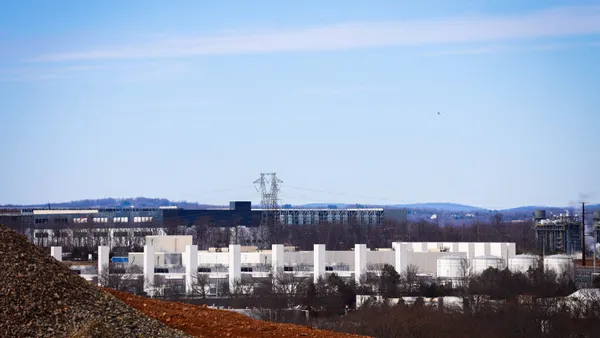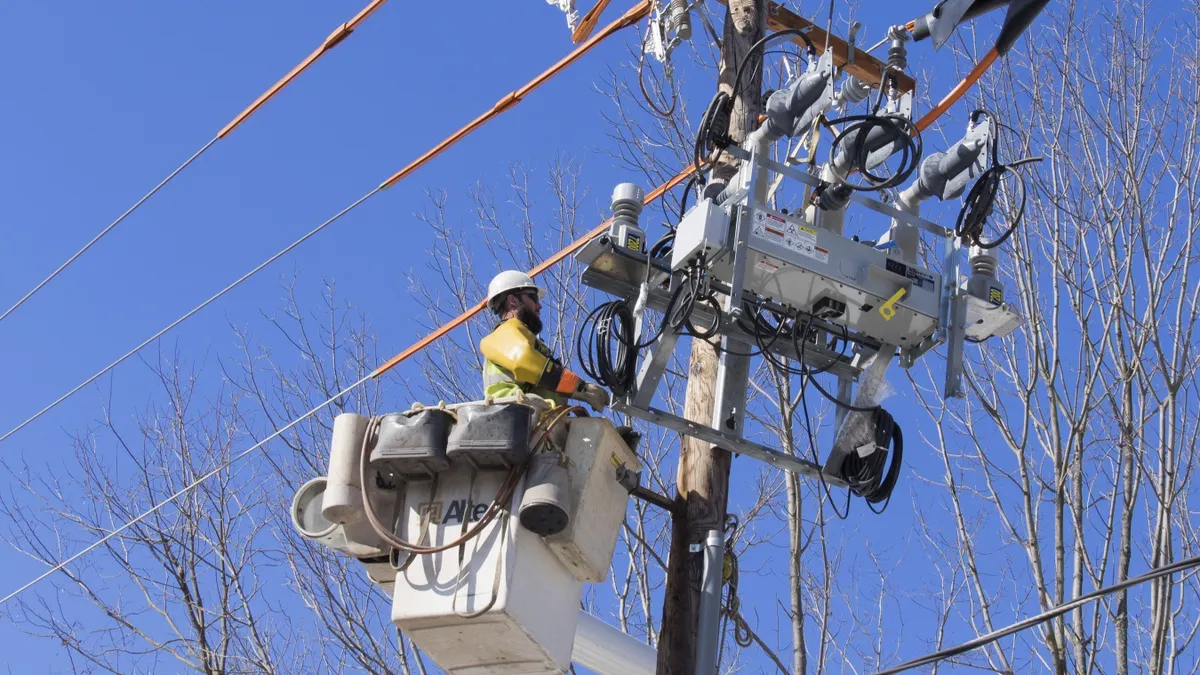
PPL Electric Utilities has reached a settlement agreement in its Pennsylvania rate case that, if approved, would raise average residential bills by 4.9%, to about $184 a month, and institute a new tariff for data centers and other large load customers setting rates, terms and conditions of service.
Under the proposed settlement, filed Friday at the Pennsylvania Public Utility Commission, PPL would increase its annual electric base distribution revenue by $275 million — about 23% less than the $356.3 million the utility originally sought. PPL Electric Utilities is based in Allentown, Pennsylvania, and serves about 1.5 million customers across eastern and central Pennsylvania.
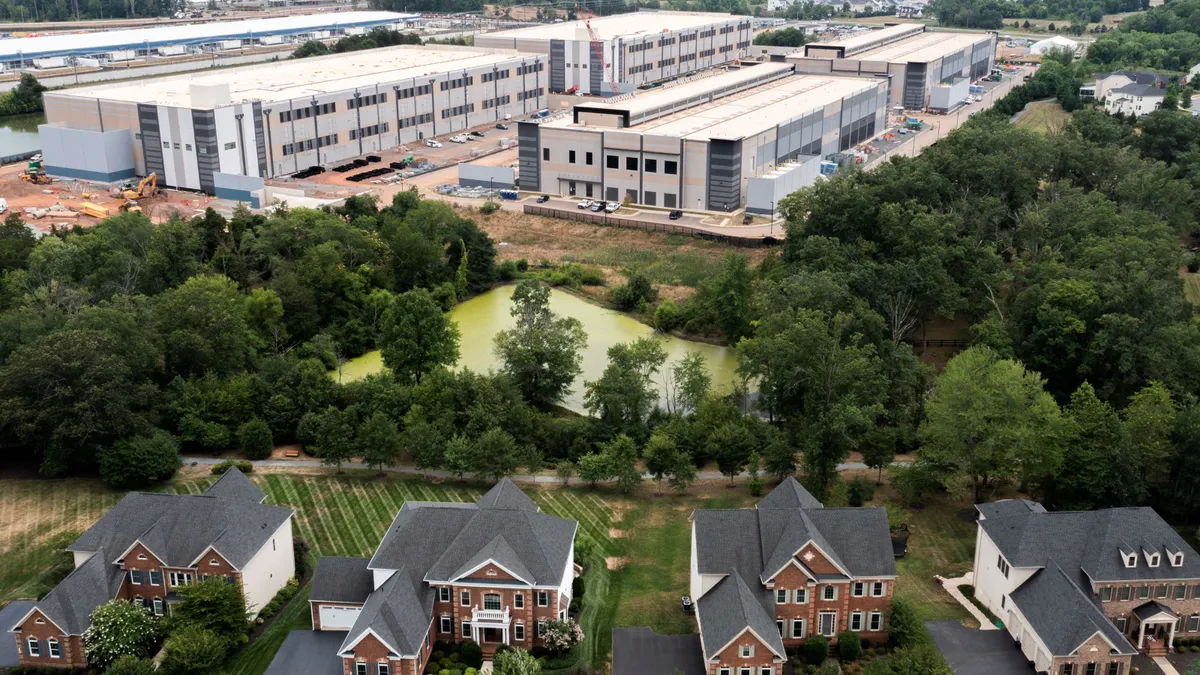
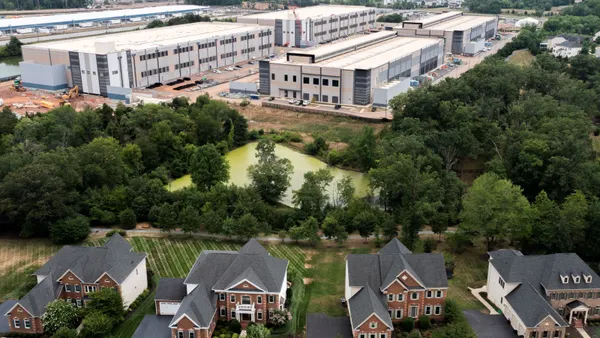
The large load tariff would apply to customers with a peak electric demand of 50 MW or greater at a single facility or 75 MW or greater in the aggregate among facilities taking service at or above 69 kV within a 10-mile radius.
Large load electric service agreements would include an initial term of not less than 10 years, an initial load ramp schedule of up to five years, minimum load guarantees and exit fees, according to the settlement agreement. Customers that choose a voluntary interruptible option can reduce the minimum load guarantees.
In addition, each large load customer would be required to execute an agreement governing its interconnection to the transmission system at voltages equal to or greater than 69 kV and provide security in an amount equal to the cost of upgrades needed to serve it.
Under the proposed tariff, large loads would provide $11 million a year for PPL Electric's residential low-income program, the company said.
The agreement acknowledges that the proposal does not address all concerns, and provisions in the tariff could change depending on the PUC’s ongoing review of large load tariffs.
PPL Electric’s interconnection pipeline includes about 20 GW of contracted large loads, while the utility has a 7.8-GW peak load, “meaning that the Company is preparing to more than double its system demand in just 5-6 years — growth that took over a century to reach,” according to the agreement.
”Without appropriate protections, current large load growth poses a risk of stranded assets, unrecovered costs, and cross-subsidization from other ratepayers,” the agreement states. “PPL Electric asserted that it will need to make significant investments in the transmission system to interconnect these new customers, including investments that are paid for by the customer and investments that are paid for by the Company."
The agreement was supported or unopposed by most of the parties in the rate case, with limited objections raised by two parties focused on certain large net metering customer classification provisions, PPL Corp., PPL Electric’s parent company, said in a Securities and Exchange Commission filing.
If approved, the rate increase would take effect on July 1, marking PPL Electric’s first distribution rate hike since 2016. Once in effect, PPL Electric’s distribution base rates would be frozen for at least two years. PPL expects the PUC will make a decision on the agreement before July.
Under the agreement, residential customers will pay a monthly $15 charge, up from $14.09. In its initial proposal, filed in September, PPL Electric proposed an increase in the base fixed residential customer charge to $17.
The agreement includes customer service and universal service enhancements, including increasing hardship fund bill credits, improving access to assistance programs, eliminating reconnection fees, streamlining the return of security deposits and increasing low-income weatherization funding, PPL Electric said.
The agreement also would update PPL Electric’s Storm Damage Expense Rider framework to “align storm cost recovery with expected expense levels and mitigate earnings volatility associated with severe weather events,” the company said.
The settlement sets the expense from reportable storms recovered through base rates for the SDER at $32 million a year beginning July 1, up from $20 million. Any over- or under- collections would be addressed through the SDER in a later period, PPL Electric said.
The agreement contains an electric vehicle time-of-use charging rebate program that is set to run from July 1 until June 30, 2030. The program for residential EV owners will be capped at 2,000 customers.