Southern Company has added 6 GW of large load contracts since the first quarter of 2026, bringing its total contracted large load to 17 GW across its territory, company executives said during its second-quarter earnings call last week.
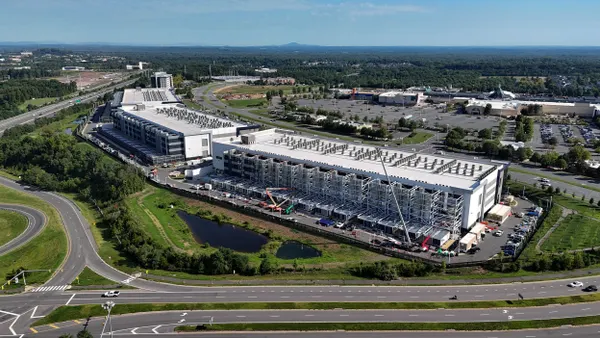
Recently announced projects include Georgia Power’s 3.2-GW, 25-year contract with OpenAI for a data center site near Savannah, Georgia.
Southern CEO Chris Womack told investors the project should begin taking electric service in 2028 and includes 1 GW of “flexible demand response” for peak shaving — the first such flexibility provision the utility has codified with a data center customer.
“The OpenAI contract in Georgia pushes us beyond our recently approved capacity by right around 1 GW,” he added later in response to an analyst question.
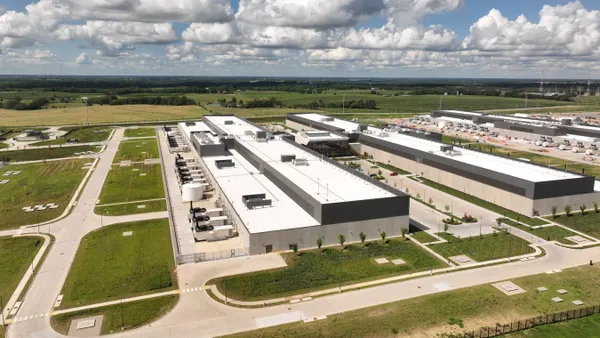
Womack said the company has sights on an additional 8 GW of projects in advanced stages of contracting, including 3 GW he expects to be finalized in the near term. The company has more than 1.2 GW of data center load on its system, and data center electricity usage was up 55% year-over-year in the second quarter and 49% year-to-date.
“The extraordinary economic development momentum and demand for power across our Southeast region that we've seen for the past several years continues, particularly from data centers and other large-load customers,” Womack said.
He acknowledged the public backlash to data centers, however, saying, “There's noise all across the country about data centers.”
“Once again, I'll say we've got to do a better job,” Womack said. “Hyperscalers need to do a better job of explaining the benefits and value and dispelling some of the misinformation that's out there on social media.”
Throughout the call, Womack emphasized the steps Southern’s utilities were taking to ensure data centers pay their fair share of new infrastructure, including minimum bills, long-term contracts, termination payments and high collateral requirements.
Southern Company’s electric and gas utilities serve about 9 million people and its subsidiaries include Georgia Power, Alabama Power and Mississippi Power.
Adjusted second-quarter earnings were $1.13/share and the adjusted EPS for the first half of the year was $2.46 — well above company expectations. The company’s investor presentation highlighted 79 years of dividends equal to or greater than the previous year, and 25 consecutive years of dividend increases. The company plans to spend $81 billion through 2030, $68 billion of which will go toward its regulated electric utilities.
Womack attributed the company’s financial success to the vertically integrated state-regulated model, which he said makes the company a “comprehensive one-stop shop for power solutions and economic development.”
David Poroch, Southern’s CFO, said primary drivers for the current quarter compared to last year included increased usage, customer growth and higher Allowance for Funds Used During Construction. Southern has secured approval for about 10 GW of new, company-owned generation — mostly gas, as well as some storage and solar — and has also issued requests for proposals in Georgia and Alabama.
“To the extent the company-owned resources are selected through these active RFP processes and ultimately authorized by the respective PSCs, these new generation investments would represent substantial incremental investment upon our current base capital plan,” Poroch said, adding that he expects the selected projects to be announced by the end of the year.
The company’s regulatory filings show it continues to follow proposed changes to federal rules for disposing of coal ash. It also faces litigation related to its coal waste disposal.
On May 18, the U.S. Court of Appeals for the Eleventh Circuit revived a suit brought by Mobile Baykeeper alleging that Alabama Power's plan to close the Plant Barry surface impoundment using a closure-in-place methodology violates federal law. The case remains pending.
On July 14, the U.S. Environmental Protection Agency proposed the approval of Alabama's partial coal combustion residuals permit program. If approved, the state's permit program will operate in lieu of the federal CCR program, according to the company’s filing.