This audio is auto-generated. Please let us know if you have feedback.
The latest official numbers on generating capacity offer a reality check for those predicting a rise in fossil fuels and nuclear at the expense of renewables. Big infrastructure takes time to finance, approve and build, thus solar and wind dominate the projects coming online over the next several years.
In other news, the Trump administration has fired shots at “established monopolist” Duke Energy as officials test antitrust tools in power markets, and a fight over capacity auctions highlights the risk of phantom data centers.
Here are those and other fascinating figures for your week in numbers.
By the Numbers
88%
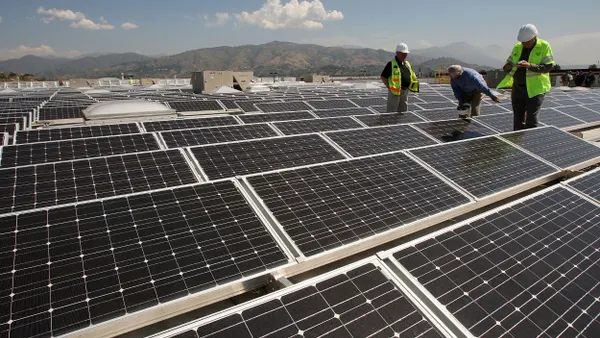
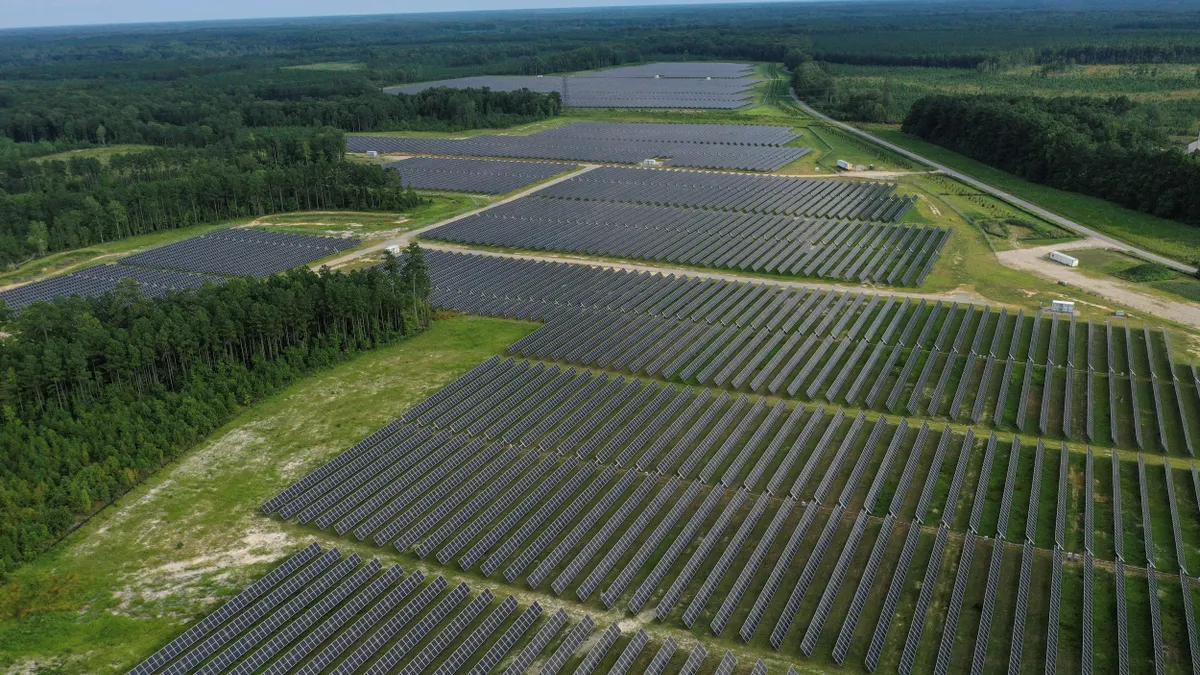
Solar and wind’s proportion of the 28 GW of generation capacity added to the U.S. grid in 2025, with solar accounting for the lion’s share. For all the talk about reinvesting in nuclear and gas, the Federal Energy Regulatory Commission’s monthly infrastructure report is a reminder that rhetoric and reality can diverge when it comes to what is actually coming online every month and what makes up the bulk of the queue for the next three years, at least. Wind and solar account for about 84% of “high probability” additions through September 2028, FERC says. The report does not include storage or rooftop solar.
750 MW
The capacity American Electric Power utilities are accused of trying to offload in an upcoming PJM “incremental” capacity auction after anticipated data center load failed to materialize. That’s according to independent power producers and the PJM Interconnection’s market monitor, which are urging FERC to reject a waiver request for the AEP utilities to participate in the auction. The utilities — Appalachian Power, Indiana Michigan Power, Kentucky Power and Wheeling Power — are “fixed resource requirement” entities that don’t typically participate in PJM’s capacity market.
11 hours
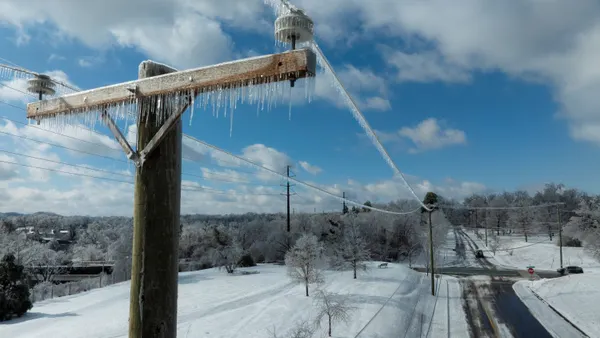
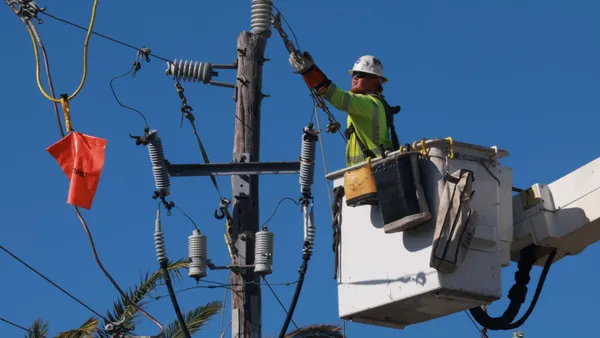
The average total duration of blackout U.S. electricity customers experienced in 2024 — nearly double the average of the last 10 years, according to the Energy Information Administration. Hurricanes accounted for 80% of those lost hours. “Interruptions attributed to major events averaged nearly nine hours in 2024, compared with an average of nearly four hours per year in 2014 through 2023,” EIA said. “Service interruptions that aren’t triggered by major events routinely average about two hours per year.”
$325M
The value of incentives Duke Energy allegedly offered the city of Fayetteville, North Carolina, to undercut competition from independent power producer NTE Energy, according to a brief filed at the U.S. Supreme Court by U.S. Solicitor General John Sauer. Sauer urged the justices to deny “established monopolist” Duke’s appeal of a lower court decision allowing an antitrust lawsuit brought by NTE to move forward. “This suggests that the Trump Solicitor General’s Office thinks that antitrust should be a viable tool in electricity markets,” Joshua Macey, a Yale Law School associate professor, told Utility Dive.
20%
How much power plant owners in the Southwest Power Pool can expand their generating facilities using a temporary priority review process FERC approved last week. Developers must show that they have secured the necessary financing and equipment and that the project can be online within five years. FERC rejected SPP’s proposal to allow the owners of retired power plants to use the same process, as well as a proposal that would have given “priority projects” an advantage in an upcoming interconnection study process.