
For decades, municipal utilities and electric cooperatives often operated in a stable, predictable environment. Efficiency gains across the country kept electricity demand flat, and energy strategy remained relatively straightforward. That era is ending.
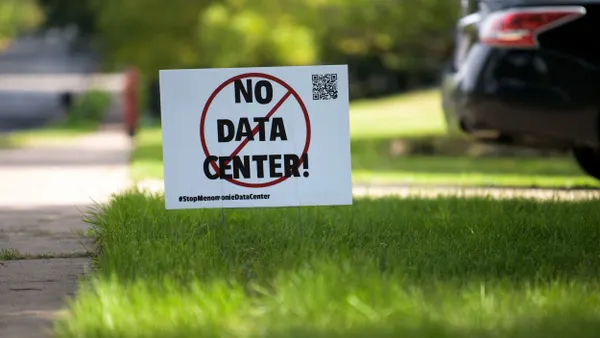
The rapid growth of data centers and the accelerating push towards electrification are introducing a level of complexity and cost pressure this industry hasn't seen in a generation. With PJM capacity rates up more than 1,000% over the last two years, the financial impact is already showing up in budget meetings across the region.
A holistic energy strategy helps utilities control costs, improve reliability, and unlock new revenue streams by considering all available options.
The Cost of the Status Quo is Rising
PJM’s 2025/2026 capacity rates went into effect on June 1, 2025. For the 2026/2027 delivery year (beginning June 1, 2026), industry participants will pay $329.17 per MW-day, up from just $28.92 per MW-day in the 2024/2025 auction. The RTO’s latest capacity auction set 2027/2028 delivery year rates even higher at $333.44 per MW-day.
For most utilities, the historical playbook has been simple: when capacity segments were stable, the right move was to do nothing. But that approach is no longer sustainable. Regional transmission cost increases are forcing real budget decisions, and many municipal utilities and electric cooperatives find themselves unprepared.
“Many utilities are in a ‘sit and wait’ mode,” said Kevin Mantel, Senior Account Manager - Energy Service for Caterpillar Electric Power. “They’ve been watching the early adopters to see how they are tackling these problems.”
There is an industry-wide reluctance to be first, Mantel added, but the energy industry is changing quickly, and the math is unavoidable. Utilities now face three options: absorb the loss, pass increased costs on to members, or get ahead of the problem by adopting a holistic energy strategy.
What a Holistic Energy Strategy Looks Like
A comprehensive energy strategy examines the full picture: available generation capacity, operational constraints, incentive programs, environmental and permitting requirements, and fuel supply options.
For example, many utilities still operate backup diesel generators installed 20 to 30 years ago that may not have been properly maintained and are nearing the end of their life. Upgrading to modern natural gas gensets doesn't just restore backup capacity; it creates an asset that can participate in demand response programs and generate revenue beyond emergency power.
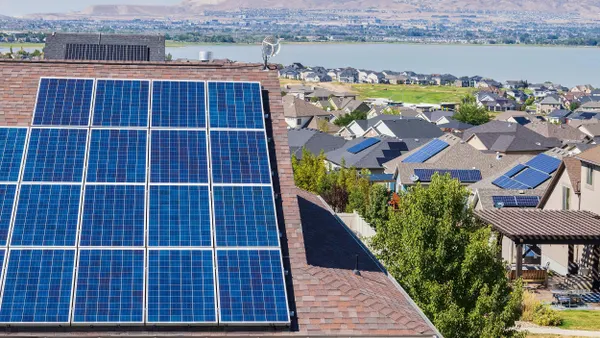
Similarly, aggregating distributed energy resources (DERs) into virtual power plants (VPPs) provides flexibility to help manage peak demand, capture market opportunities, and boost grid stability.
Learning from Utilities That Planned Ahead
Some utilities in PJM, particularly in Ohio and Pennsylvania, are already taking action. They’re investing in on-site generation, reviewing wholesale power supply contracts, and leveraging underutilized assets to create value and add backup power.
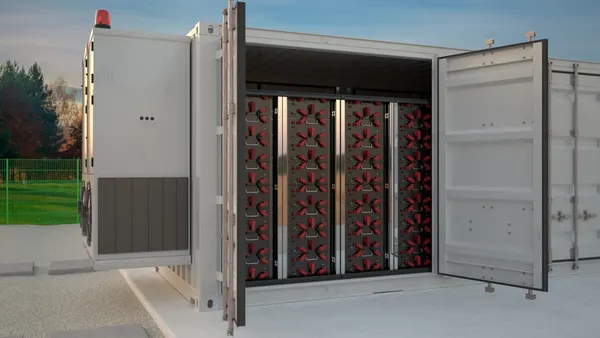
Utilities facing similar cost pressures outside PJM provide additional evidence of what early, proactive action can achieve. In Independent System Operator New England (ISO-NE), a 4.9 MW/15 MWh battery energy storage system was deployed to dispatch stored energy during the high-cost peak periods that occur only a few hours each year. For a utility serving thousands of residents and businesses, the system helps reduce peak energy costs and provides an additional revenue stream, while supporting grid reliability and community sustainability objectives.
Across the Northeast and Mid-Atlantic, utilities have seen success with DERs. By pairing battery energy storage with its existing natural gas generation and peak demand management strategies, one utility was able to reduce system demand when it mattered most. These actions resulted in millions of dollars in savings over the past decade.
These examples reflect a broader shift across the sector: utilities are no longer treating backup generation and DERs as passive insurance assets. Instead, they are becoming active tools for managing market exposure, enhancing reliability, and creating greater operational flexibility.
From Strategy to Execution
Many municipal utilities and electric cooperatives lack the internal resources to evaluate technologies, model participation in capacity or demand response segments, and manage complex project deployments. Even when the economics are compelling, moving from concept to operation is often where progress stalls.
Closing that gap requires more than equipment. It requires a different operating model.
Traditional vendor relationships are often transactional, focused on delivering and installing assets. But in today’s industry environment, that model leaves too much risk on the utility. What’s needed instead is an integrated approach that combines system design, industry strategy, project development, and ongoing operational optimization under a single, accountable structure.
With decades of experience, Caterpillar Energy Services exemplifies this integrated model. The company’s approach spans generation, controls, switchgear, and distributed energy resource management, supported by energy and engineering services, financing capabilities, and a robust dealer service network.
Additionally, Cat’s Active Management Platform (AMP), a distributed energy resource management system (DERMS), provides real-time monitoring and control of decentralized assets. It integrates forecasting capabilities with operator oversight through Caterpillar’s 24/7 Network Operating Center (NOC), helping anticipate peak demand periods and identify opportunities to optimize performance as conditions evolve.
Critically, those insights are not left to automation alone — experienced operators validate decisions, manage risk, and ensure assets are ready to respond when called upon. In a market increasingly focused on automation, this integration of machine intelligence and human accountability is what turns data into consistent, reliable performance.
"This integrated model allows us to tailor solutions to each customer's specific needs, helping them understand not just what these technologies are, but how they deliver practical, measurable value to their operations," Mantel said.
Comprehensive Support from Start to Finish
The energy landscape is shifting rapidly. Capacity costs are rising sharply, and the cost of waiting is high. To meet these challenges, municipal utilities and electric cooperatives must rethink how energy is managed — not just as a cost to be absorbed, but as a system to be actively optimized.
Caterpillar Energy Services works with utilities to design, deploy, and operate integrated energy solutions that support this transition. To learn more about Cat AMP or to schedule an energy evaluation, contact Caterpillar Energy Services.