Emily Easley is the CEO of NOVUS Energy Advisors.
When Rick Perry’s Fermi America rang the Nasdaq bell, Wall Street didn’t just see another initial public offering. It saw a multi billion-dollar bet that the next energy revolution will be built not around cars or climate — but around computation.
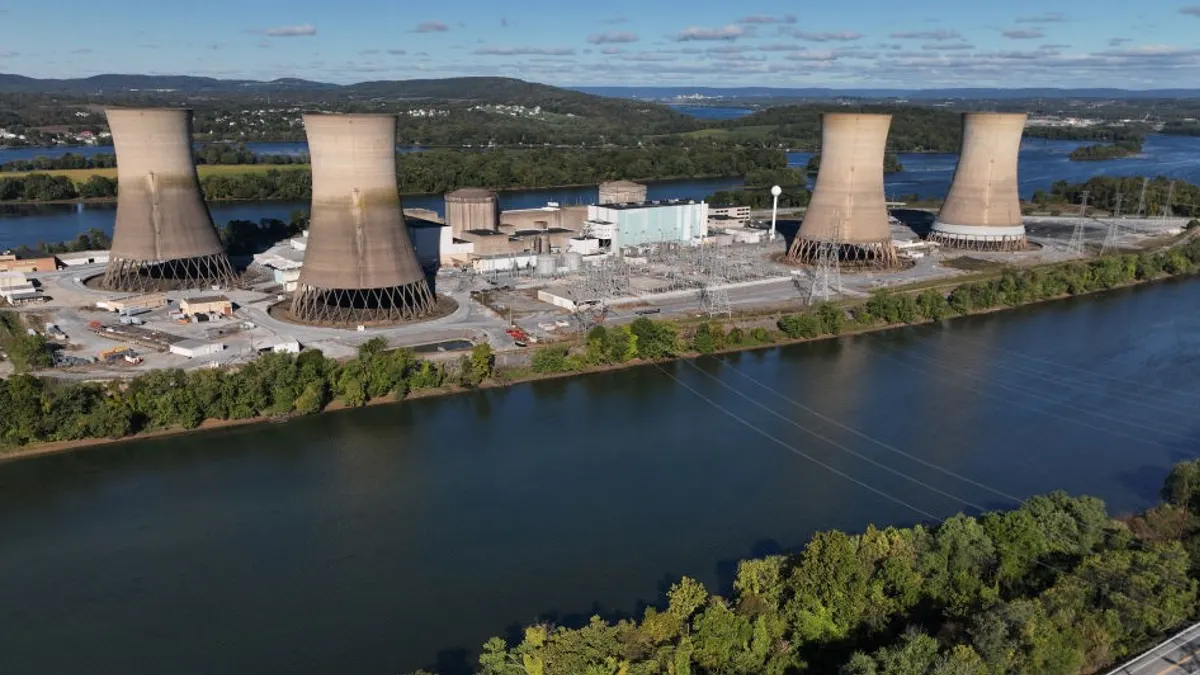
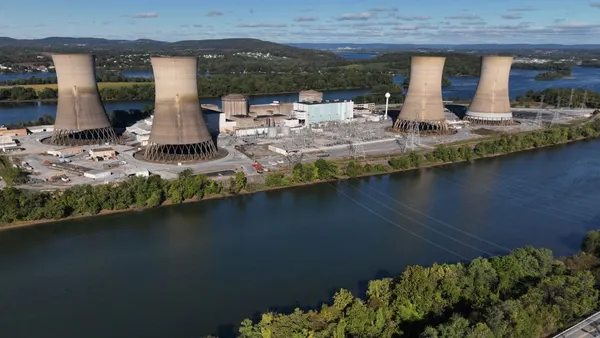
Fermi’s pitch is simple but audacious: an 11-GW “Hyper-Power Campus” in Amarillo, Texas, combining nuclear, natural gas and solar to feed hyperscale data centers. It’s a case study in the new race for “AI-grade” megawatts: power that’s clean enough for investors, cheap enough for operators and available every hour of every day.
The project lands as the U.S. Department of Energy quietly scales back wind and solar grant programs, initiated by the Interior Secretary's Order 3437, which was issued to end “preferential treatment” for wind and solar energy in decision-making. Following that, the DOE announced the termination of 223 renewables projects in “blue states” with subsequent legal action reported by the Environmental Defense Fund last month.
Clearly, the administration’s “energy dominance” mantra, once about drilling rigs and liquefied natural gas, has evolved into something broader: control over the power supply chain that fuels America’s digital backbone.
However, while recent project announcements show natural-gas resources are having their time in the sun, the long-term solution for satisfying AI’s power hunger isn’t gas alone. The physics and economics of data centers’ power needs — specifically, the 99.999% uptime that they require — requires a more inclusive approach. Ultimately a hybrid portfolio of gas + renewables + storage will prove the most successful approach.
The new demand curve
AI and data centers are rewriting the power script. Analysts estimate that U.S. data-center electricity demand could triple by 2030, rivaling Japan’s total consumption. In markets such as the Electric Reliability Council of Texas and the PJM Interconnection, interconnection requests are flooding the queue faster than transmission can be built.
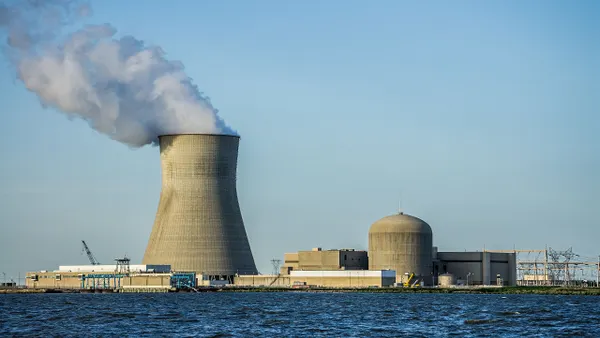
The problem isn’t politics — it’s physics, as mentioned above. AI workloads don’t tolerate downtime, and 24/7 machine learning and training cycles demand firm capacity. Solar and wind are essential but intermittent; nuclear is dependable but slow to scale. That leaves one fuel enjoying a quiet renaissance: natural gas.
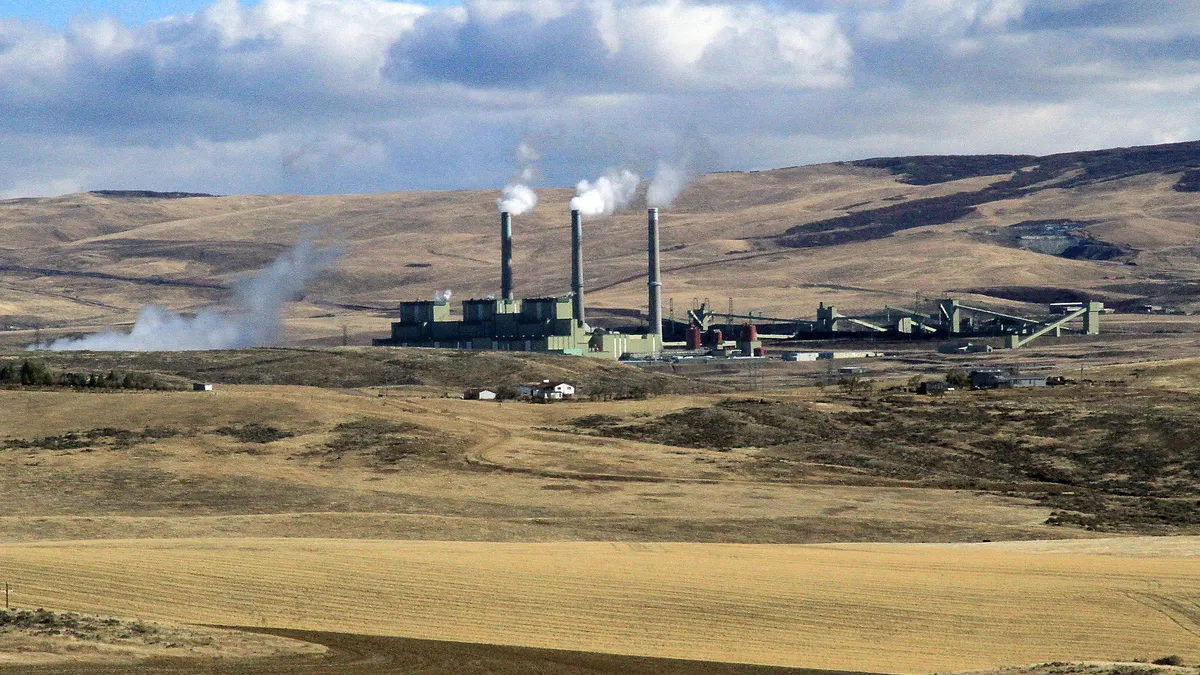
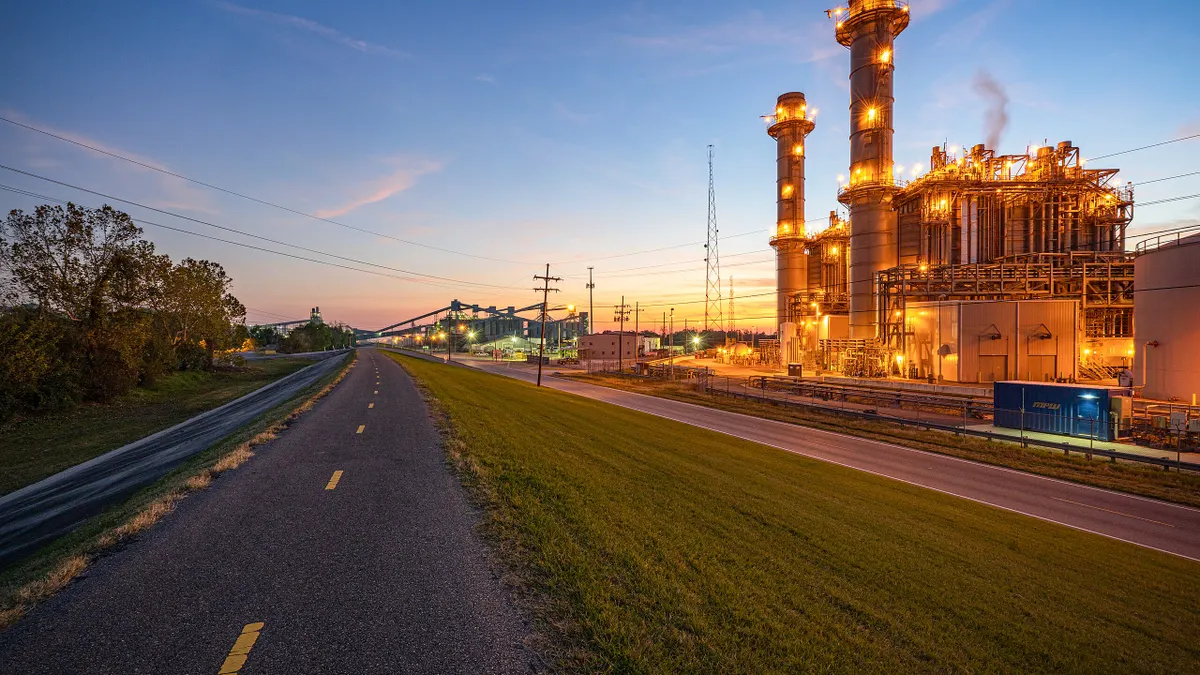
Gas isn’t glamorous, but it’s the reliable backbone of America’s AI build-out. Combined-cycle plants can ramp fast, integrate carbon capture and co-locate near industrial or digital hubs. The economics are persuasive — dispatchable, proven and abundant.
Developers are taking note. From Oklahoma to Ohio, mothballed projects are being revived, and hybrid plants pairing gas with solar and storage are becoming the “premium package” for hyperscale clients seeking reliability with a cleaner profile. It’s not the narrative climate activists prefer — but it’s the one investors trust.
Policy headwinds and market reality
DOE’s re-evaluation of renewable funding reflects a pivot from aspiration to execution. The obstacles aren’t ideological — they’re practical: transmission bottlenecks, permitting delays and mismatched incentives. Projects once hailed as flagships are now assessed through a harder lens of cost, timing and deliverability.
That recalibration doesn’t end the energy transition; it accelerates its next phase. The administration’s “energy dominance” now includes electrons. The companies that can deliver firm, scalable, low-carbon power to AI and cloud loads will define the next oligarchy — one built not on oilfields, but on interconnections and economics. Undoubtedly, solar energy and battery storage are some of the most rapidly scalable and cost competitive ways to meet the increased electricity demand. Given the need for clean firm power, scaling other energy technologies, such as next-generation geothermal, may also be leveraged to meet demand.
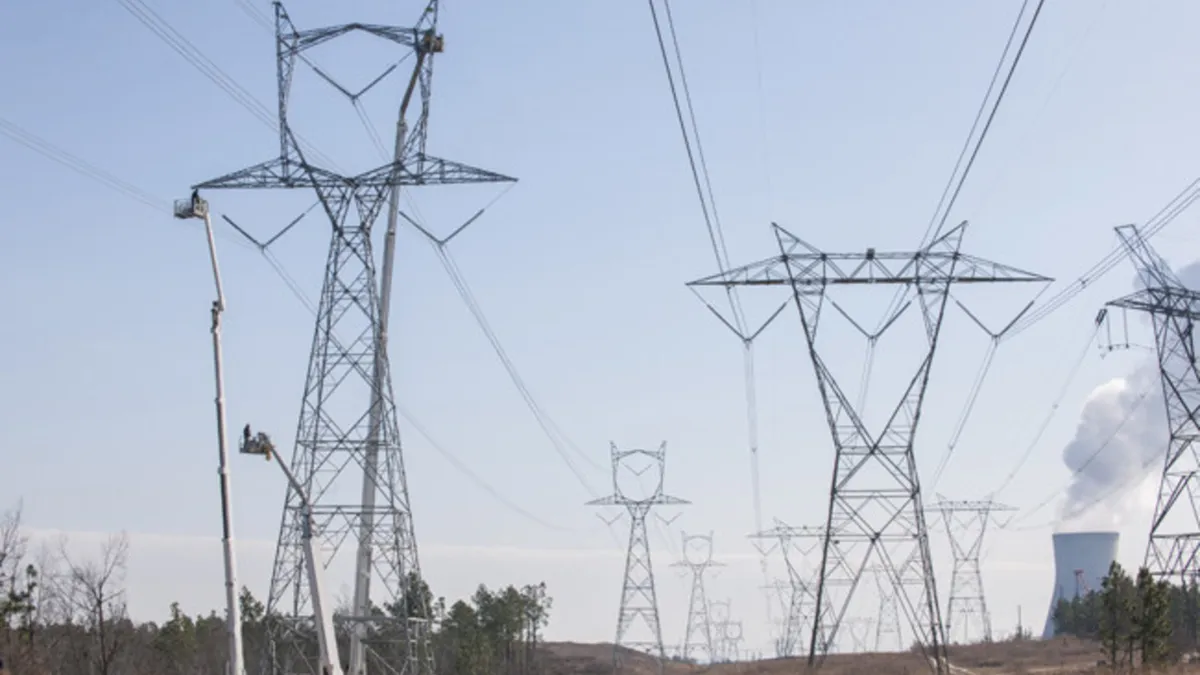
The DOE’s recent use of its Section 403 authority to direct the Federal Energy Regulatory Commission toward a rulemaking on large-load interconnections could reshape how America builds for the AI era. If successful, it would do for power demand what Public Utility Regulatory Policies Act of 1978 once did for power supply: give independent developers a clear path to serve major users directly, without waiting for utility gatekeepers.
That single policy move could unlock a new generation of Fermis — merchant developers blending gas, renewables and storage into integrated, behind-the-meter systems that serve AI and industrial clients directly. It hints at an era of “IPP 2.0,” where private capital builds micro-grids at hyperscale.
For policymakers, the message is clear: America’s grid rules were written for predictable load growth. AI has changed the equation. The DOE–FERC initiative points toward a new architecture: faster interconnections, market access for large loads and private capital as the catalyst.
Capital meets concrete
Fermi’s initial public offering is the canary in the turbine hall. Investors no longer silo energy, infrastructure and technology — they see one ecosystem. The appetite for “AI + Power” platforms is enormous, but the risks are real: no revenue yet, decade-long construction cycles and thin project margins.
Still, private-equity and infrastructure funds are betting that whoever cracks the hybrid-power code will own the next-gen digital economy. Expect clusters of multi-fuel projects near major data-center hubs across Texas, Virginia and the Midwest — where policy flexibility meets physical necessity.
The AI boom has fused America’s energy and technology narratives into one. The next decade of “energy dominance” won’t be about exporting hydrocarbons — it will be about exporting compute, powered by reliable, low-carbon megawatts.
Natural gas may be having a moment, but the winning model will be hybrid: gas for firmness, renewables for optics and cost, and storage for stability. The companies that master that integration — and successfully navigate the DOE–FERC framework — will become the new power barons of the AI age.