Dan Dolan is president of the New England Power Generators Association.
Winter happens in New England. But for nearly three weeks in January and February, arctic temperatures combined with over two feet of snow to create the tightest energy conditions in nearly a decade.
Those effects were even more pronounced because, like other major storm systems in recent years, this one extended far beyond just our state borders. From Florida to Chicago to Montreal and Boston, power generators were running hard, putting strain on fuel infrastructure and electricity cross-border trades.
Remarkably, the New England wholesale electricity system withstood all this without ever seeing supply shortfalls to meet persistently high demand. This was no accident. It was because of extraordinary efforts by ISO New England, federal and state officials, power generators and so many others working together to keep the lights on.
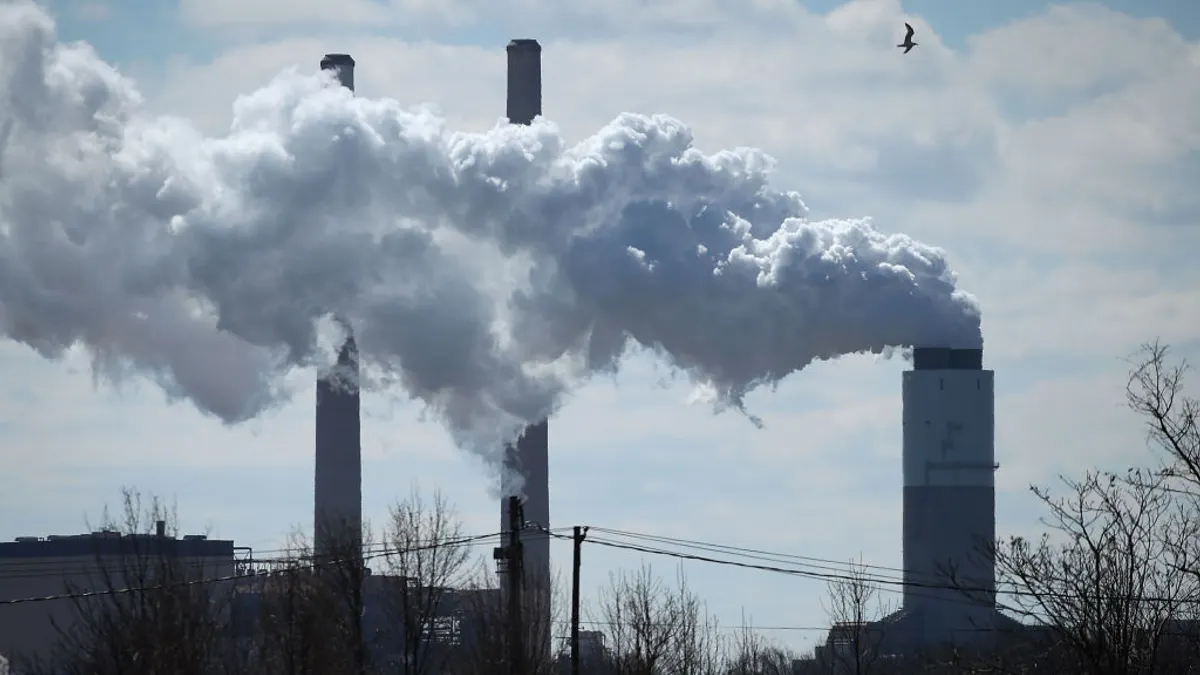
The collective decisions of these groups under emergency conditions had consequences and required tradeoffs, which will inevitably be the topic of further consideration. In taking the actions necessary to maintain reliability, wholesale electricity prices reached the highest levels the region has ever seen. Emissions spiked, as infrequently used plants ran nearly flat-out. Nevertheless, the hard work and collaboration that kept New England’s lights on through these challenging times needs to be acknowledged.
I want to focus on two key factors that contributed to the operational resilience of the grid with partnerships at all levels of industry and government.
First, there was an exceptional level of communication, coordination and transparency from ISO New England along with federal and state officials. From the onset of this event on January 24, there was a single message from all these leaders: “What do you need, and what can we do to help?” At the highest levels of federal and state governments, all put politics aside to keep New England residents safe.
This is certainly not the first major winter event in this corner of the world. And it is by no means the first time the government truly was there to help. But the consistent and proactive outreach from the ISO and federal and state leaders is unprecedented in my 14 years in this position.
Only weeks into having its first new CEO in over 20 years, ISO New England operated transparently and quickly to meet real-time and anticipated needs. The Department of Energy recognized the emergency conditions and worked aggressively to address operational constraints and supply chain choke points. The speed of response from Washington was unprecedented. State energy offices did yeoman’s work coordinating transportation deliveries and finding ways through localized limitations that were critical during the extended nature of this weather pattern.
Our fuel suppliers, utility partners and thousands of line workers kept the transportation and transmission systems operational. This was an awesome team effort.
The second major factor was markets that drove and supported operations of the generation fleet. In short, the wholesale electricity markets worked. They sent clear signals to generators about fuel and performance needs, which led to incredible refueling efforts. The ancillary services market led to needed reserves. And the capacity market, in particular, successfully provided critical support for ongoing operations.
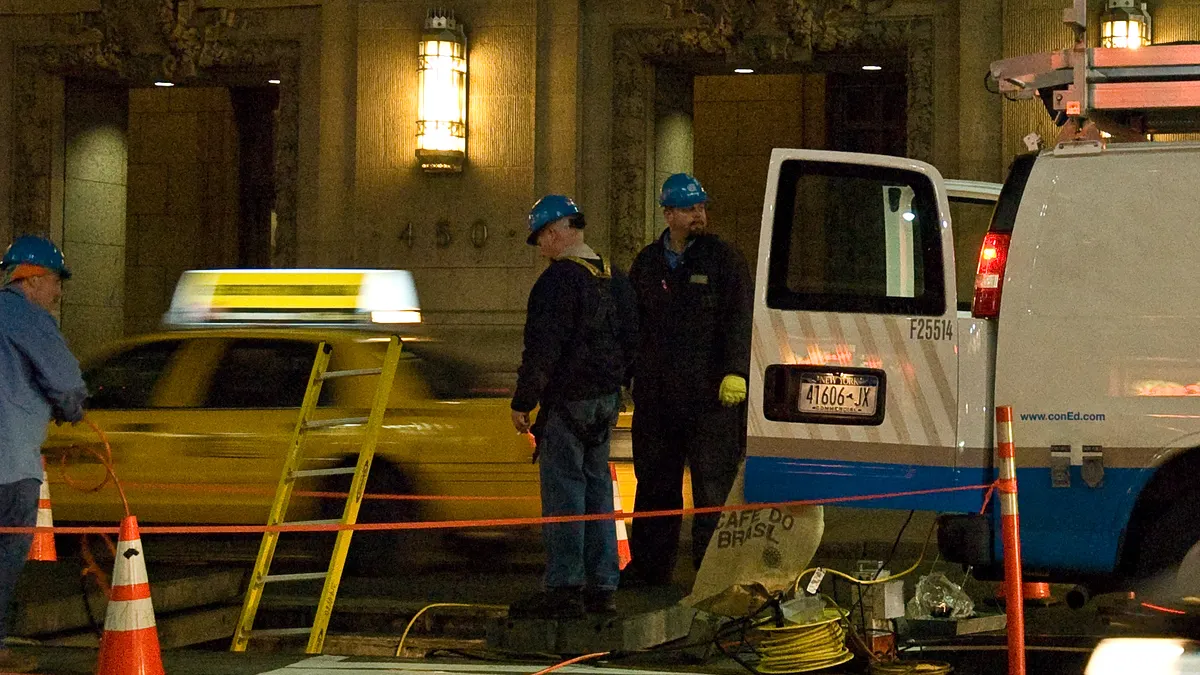
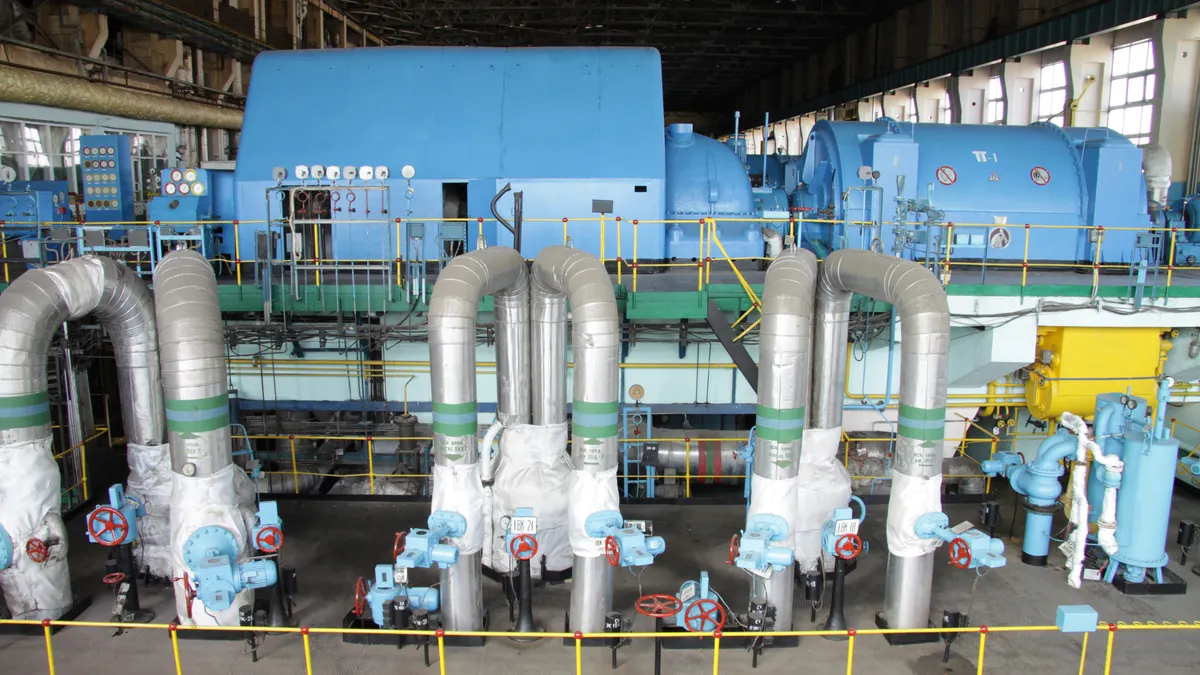
It was all hands on deck in New England with nearly 8,000 men and women at generating facilities working through snow, sleet, freezing rain, cold temperatures and sub-zero wind chills. That performance worked as well as it did because of months of preparation — maintenance, upkeep, fuel stockpiling, performance testing, preparedness training and operational improvements at hundreds of facilities in every corner of the region.
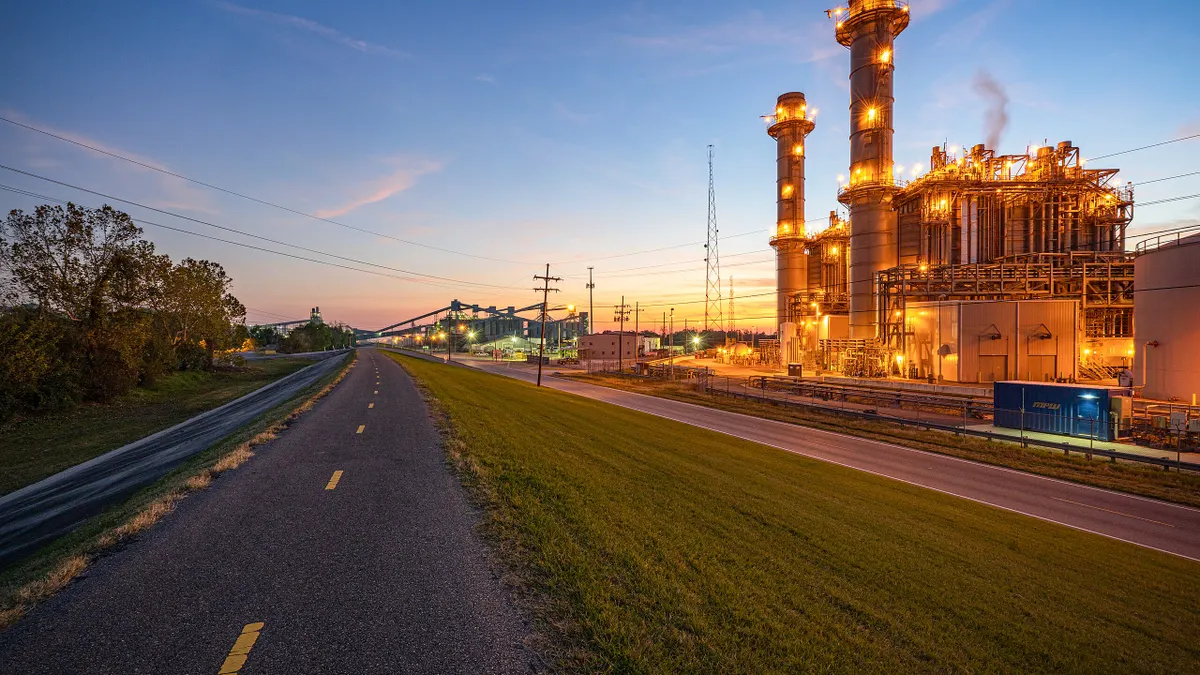
Peaker facilities that rarely run were able to operate for weeks. Baseload plants lived up to their name and served as work horses setting a steady foundation. And mid-merit needs from natural gas and hydro facilities met unique load shapes and persistently high demand over holiday weekends and Super Bowl Sunday. We also saw real contributions from offshore wind and some solar peeking through the snow.
These operations, and the billions of dollars of investment it takes to deliver a reliable system, are driven by a highly competitive wholesale capacity market to support just those types of fixed costs.
While the capacity market clearly works, there is a need to improve its market design as the grid evolves. In New England, we’ve been wrestling now for years with sharpening the accreditation of the reliability values for every different technology type. That is coupled with examining the best ways to meet the seasonal needs of the system and a clearer view on what are truly the demand needs in the moment.
The New England capacity market is the financial foundation that supports the steel in the ground that produces the megawatts, particularly in events like those this winter and the hot summer peaks we saw in 2025. That market exists for the unseen work that leads to stable operations in times of stress. And it performed admirably this go around.
Looking forward, the market must continue to advance. Past performance certainly will not guarantee future outcomes.
New England’s hard work on capacity auction reforms must conclude this year with an eye toward balancing the risks and opportunities in the market. New England will need all the generating capacity it has, and even more down the road. We should be focused on tuning this market to sustain existing investments and drive new ones to meet concrete demand projections.
At the same time, there is always more work to be done at the plants. As temperatures rise in the days ahead, plant operators will go back to tightening screws and replacing worn out equipment. They will plan, train and line up fuel supplies for future needs.
For now, let’s celebrate the good, improve where we can and get ready for the inevitable next time.