Shalin Savalia is a senior electrical engineer at Amazon Web Services, where he works on data center power systems. The views expressed are his own and do not represent those of his employer.
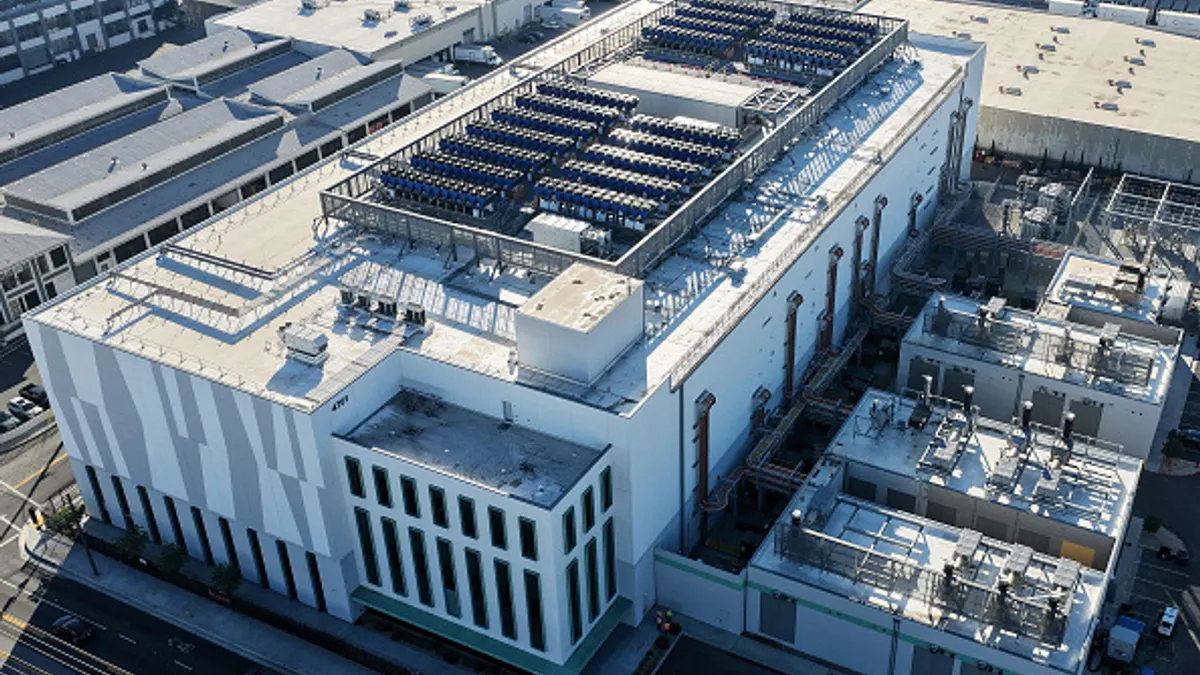
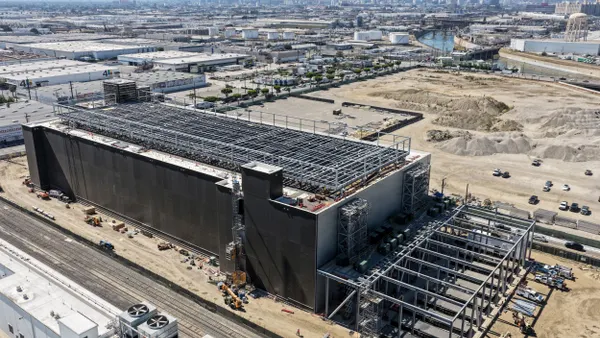
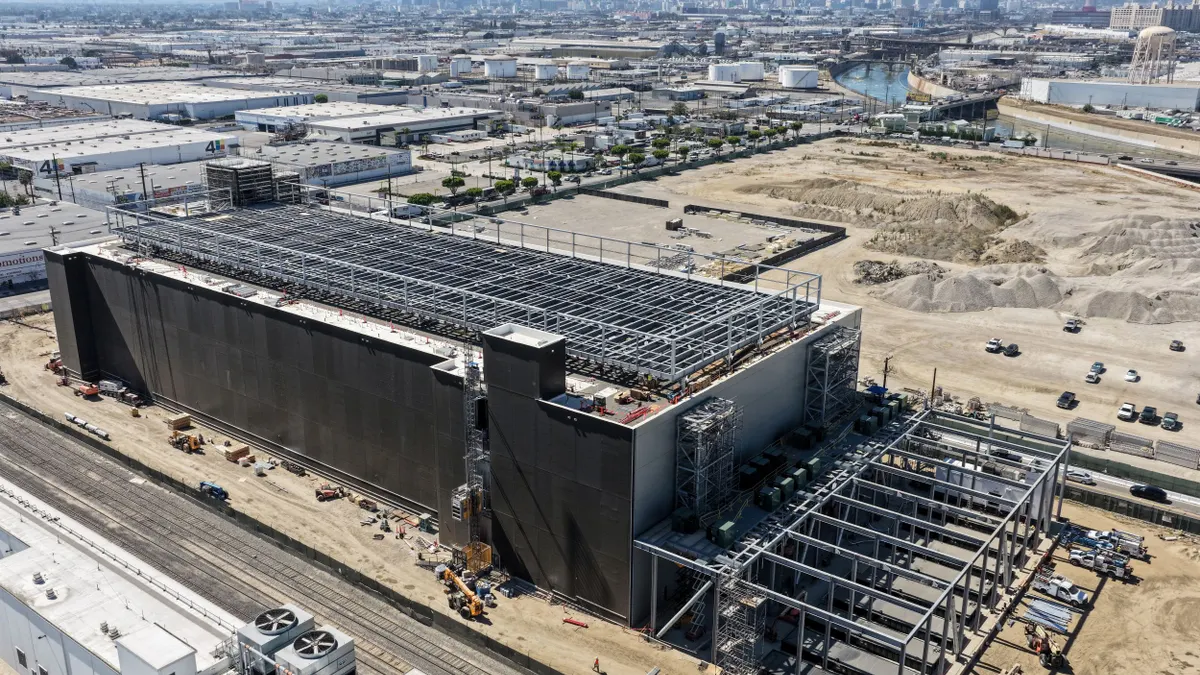
The most expensive thing on a data center campus is the one nobody photographs: a finished building that can't turn on.

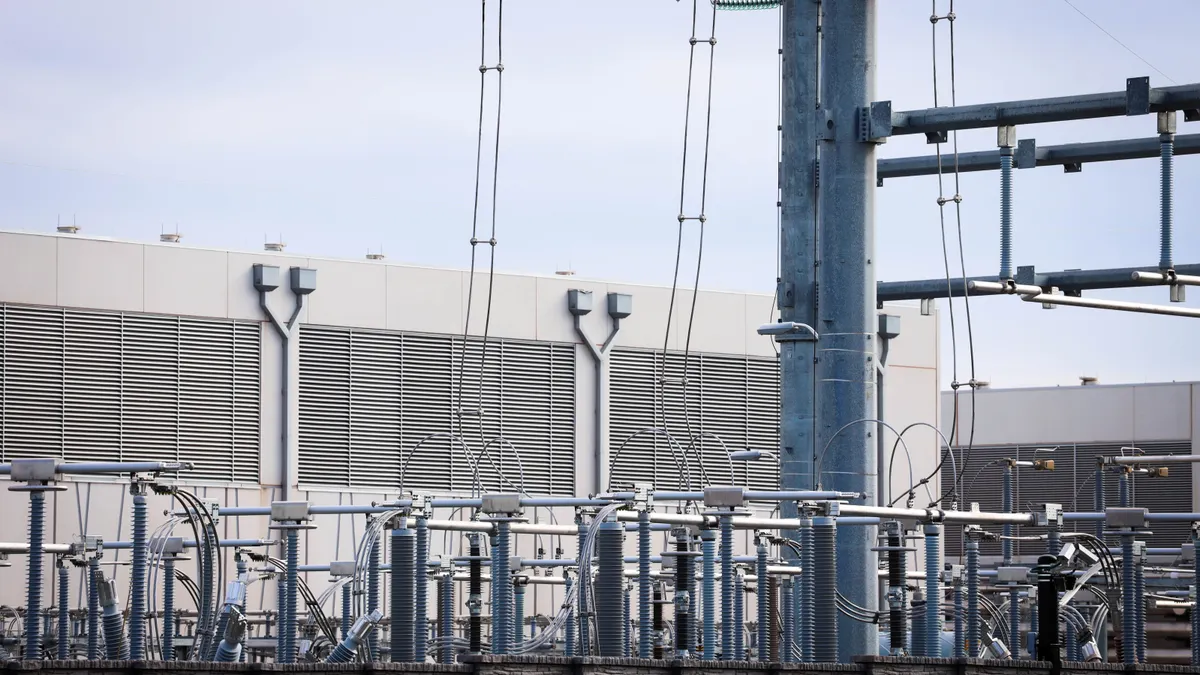
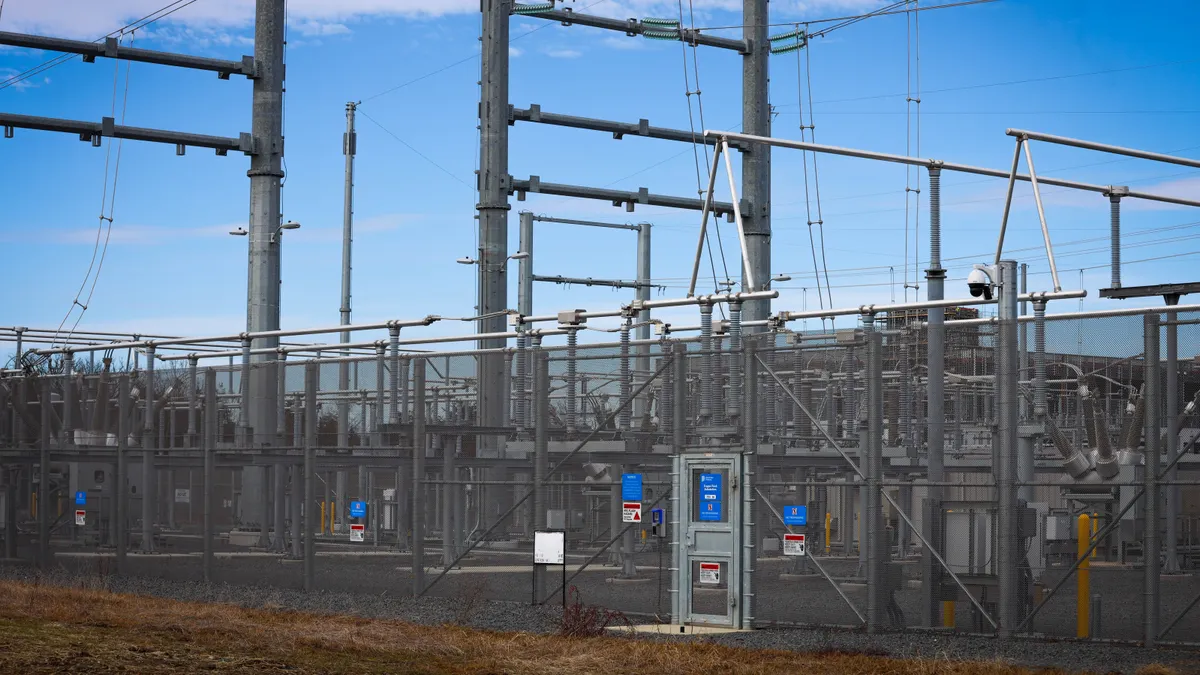
I've stood in them. The switchgear is energized on backup. The generators have run their acceptance tests. The cooling plant is commissioned, the racks are staged and every system works exactly as designed except the one that matters most — a firm connection to the grid.
A campus can sit like that for months. In the worst regions, for years. Hundreds of millions of dollars in capital, and the megawatts of computing the business is counting on, wait on an interconnection study that grinds forward on a timeline no one in the building controls.
That is the real problem the data center industry has, and it is worth stating plainly before anyone celebrates a policy announcement. Our problem is not that we can't build. We build faster than almost any industry in the country. Our problem is speed to power: the gap between a ready building and a live utility feed. And that gap has three ugly dimensions.
The first is time. Interconnection queues were built for a world where the big new thing connecting to the grid was a power plant, not a 300-MW load. Load interconnection was an afterthought, handled case by case, and the process shows it. A single large load at 100 to 500 MW, the equivalent of a small city, now lands on a system that was never designed to evaluate it quickly.
The second is inconsistency. The same company can develop three campuses in three regions and face three completely different processes, three cost-allocation methods and three timelines. There is no national standard for how a large load connects. Every RTO, every utility, every study queue is its own country with its own language. That unpredictability is its own tax; you cannot plan capital around rules that change at the border.
The third is blame. When power finally does get discussed, the data center is cast as the reason everyone's electric bill is climbing. In several states, data centers are tied to the majority of projected load growth, and the political backlash has followed, with rate cases, moratorium proposals and local opposition. Whether or not the framing is fair, it is now a permitting risk we carry into every service territory.
So the honest question about the Federal Energy Regulatory Commission's June 18 action is not whether it sounds aggressive. It is whether it touches any of those three problems.
Here is what FERC actually did: It issued six show cause orders under Section 206 of the Federal Power Act, one to each of the FERC-jurisdictional grid operators — PJM, MISO, SPP, CAISO, NYISO and ISO-NE. It made a preliminary finding that their current tariffs appear inadequate because they lack clear and consistent rules for large loads.
It then gave each operator 60 days to either defend its tariff or file revisions, plus a separate 30-day deadline to report on how it will make sure enough generation exists to serve these loads.
FERC defined a large load as peak demand above 50 MW connecting above 69 kV, and it grouped the reforms it wants into a handful of buckets: a real interconnection process for large loads; cost transparency so new loads don't shift network-upgrade costs onto existing customers; clear rules for co-location and behind-the-meter generation; a new class of transmission service for loads that can flex; and a study process for generation sited right next to those loads. The action traces back to an October 2025 letter from the Energy Secretary pushing FERC to standardize large-load interconnection.
Now the part that matters to customers: Does this change anything?
On the inconsistency problem, genuinely, yes. Forcing all six operators to answer the same questions at the same time is the first real attempt to pull large-load rules toward a common standard. If it works, a developer will finally be able to expect the same basic playbook in PJM as in MISO. That alone would remove a real source of delay and risk.
On the blame problem, it helps more than it may appear to on its face. The cost-transparency push is easy to read as a threat and smarter to read as a shield. If a tariff makes it clear that a data center is funding its own network upgrades and not leaning on the neighbors, the local rate case argument against us gets much weaker. Transparency is how we stop being the villain in every service territory.
On the flexibility and co-location front, this is the most important signal in the whole package. FERC is explicitly asking operators to create service for loads that can flex and to write real rules for bringing your own generation. For years, co-location has been treated as a threat to be studied into oblivion rather than a solution. FERC just told the market to build a lane for it.
But here is where customers should keep their expectations honest. This is a show cause order, not a final rule. It is the opening of a proceeding, not the end of one. The grid operators get 60 days to respond, and then come their filings, the protests, the technical conferences and very likely the rehearing requests.
Nothing about June 18 energizes a single stranded building next quarter. It does not add one megawatt of generation or one mile of wire. And the new flexible-load fast lane only carries the customers who are actually willing to flex. If our industry keeps walking into the queue demanding firm, uninterruptible power delivered on our schedule and nothing less, FERC's framework will route right past us.
That's the real takeaway, and it's an operational one, not a legal one. The fastest path to power now runs through the things we already control. Every hyperscale campus is ringed with on-site generation that idles most of the year. Our cooling loops, our redundancy and our ability to shift workloads give us far more room to curtail than we admit in an interconnection meeting. FERC has just made that flexibility worth money and made co-location a legitimate route instead of a suspect one.
So the move for data center customers is to stop asking only for a faster “yes” on firm service and start showing up with an offer already on the table: how many megawatts we can drop, for how long, how quickly, and how much generation we bring ourselves. The developers who do that will turn FERC's framework into actual energized racks. The ones who wait for the old model to get faster will still be staring at a finished building that can't turn on, only now with a policy win they didn't use.
FERC set a 60-day clock for the grid operators. The smarter read is that it started a clock for us too.