Abigail Broedlin is vice president of asset management at Nautilus Solar Energy.
America is losing farms, and it's happening because families have run out of options. Across the country, farmers are facing a level of financial pressure that would have been hard to imagine a generation ago. Commodity prices can collapse overnight. Input costs keep climbing regardless of what the market does. And an energy supply chain entangled in global instability means a crisis halfway around the world can drive up a farmer's fertilizer bill before the planting season even begins.
For many family farms, simply covering property taxes has become a struggle, let alone breaking even after months of hard work, investment and risk. The farms aren't disappearing because farmers want to sell. They are disappearing because the math no longer works. If we want farming to remain a viable livelihood for generations to come, we must have an honest conversation about what modern farming requires. Stability matters. But too often, our conversations about farmland are locked in outdated assumptions about how land can and should be used.
That tension is especially visible in debates around solar energy. For years, the idea of placing solar on farmland has been framed as a threat to agriculture — energy versus food, development versus tradition. But that framing overlooks a more nuanced reality emerging across rural communities. Where policy allows, community solar projects can serve as the difference between recurring stabilizing income and not having a farm at all.
Lease payments from community solar projects can offset or fully cover property taxes, reducing a major fixed cost that exists regardless of whether a crop succeeds or fails. That predictable income allows farmers to weather bad years and plan for the long term rather than operating season to season.
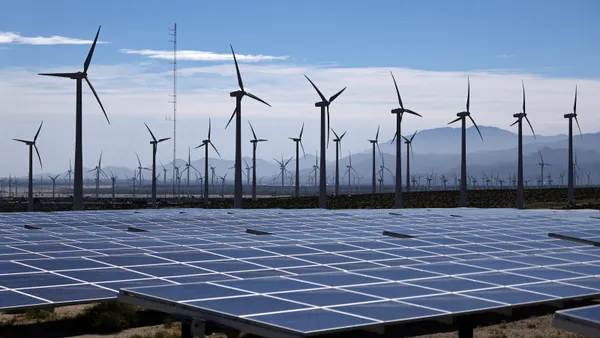
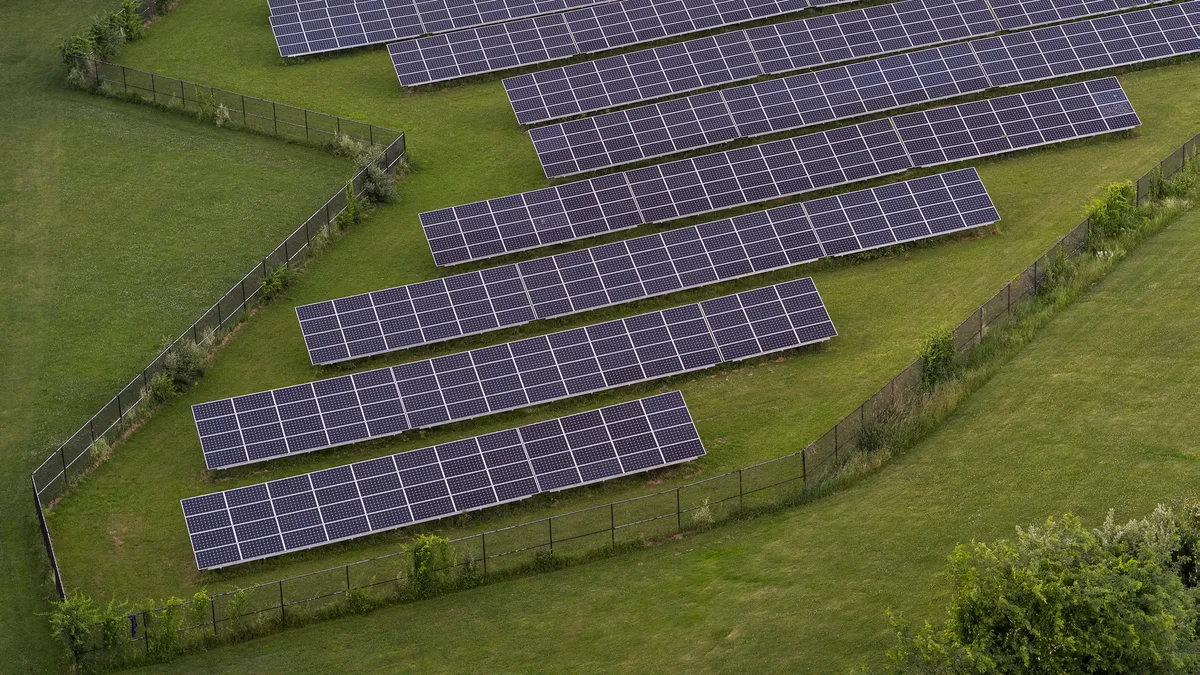
From a community solar perspective, unlike large-scale energy projects designed to export power elsewhere, these projects are small, distributed generation that serve nearby homes, businesses and public institutions like schools and hospitals. According to the USDA Census of Agriculture, in 2024 the average American farm was approximately 460 acres. Community solar projects are typically placed on 16 to 60 acres, and farmers and developers often strive to use lower-yield or underperforming land. The rest of the land remains in agricultural use, under the same ownership, often with greater financial security than before.
The alternative options are often far less ideal. Without stable income, some landowners feel pressure to sell portions of their property outright to housing developments, industrial uses, or they make other permanent changes that remove the land from agricultural use altogether. Community solar offers a different path, one that allows farmers to retain ownership, maintain flexibility and keep land in the family for future generations.
Importantly, these projects are not permanent. Community solar leases typically last between 20 and 40 years. At the end of that lease, the land doesn’t have to disappear from agriculture. Panels are removed and recycled, and farmers can return the acreage to crop planting, renew the lease, or choose another use.
Critics are right to raise questions about land use. These are deeply personal decisions tied to identity, heritage and community appeal. But framing the issue as agriculture versus solar misses the larger picture. The real risk to farmland isn’t thoughtful, small-scale clean energy development, it is larger economic pressures that force families to make the tough decision to sell the land altogether.
Community solar won’t be right for every farm, and it shouldn’t be. But for many landowners, it offers something increasingly rare in agriculture — predictability. If we want farmland to stay farmland, we have to be open-minded about what farming looks like today. Supporting both food production and local energy on the same land may not be farming of the past, but it can be the future.