As large-load customers increasingly look to power their operations with new clean firm technologies like advanced geothermal and small modular nuclear reactors, clean energy tariffs, as well as bilateral customer-utility arrangements, are helping to commercialize and de-risk the deployment of these technologies, the Corporate Energy Buyers Association said in a May 21 report.
“The goal is to try and get some of these technologies closer to commercialization, and then we'd see costs shift down, like we did with solar and wind,” lead report author Priya Barua, CEBA's senior director of utility partnerships and innovation, told Utility Dive. “I think we're in that phase with that next wave of technologies.”
Clean energy tariffs “allow large customers to identify, fund, and support specific clean or clean firm resources,” the report said, “within existing regulatory frameworks, pairing customer-driven investment with strong ratepayer protections.”
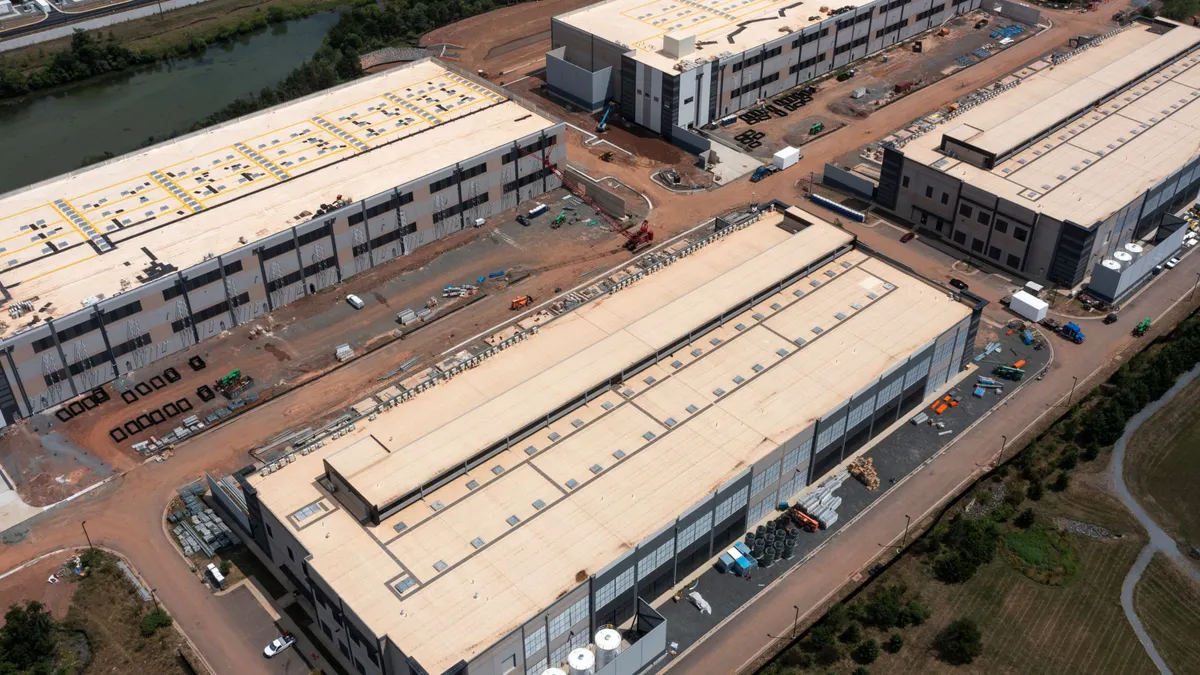
Hyperscalers are spending aggressively on the AI race, including the construction of data centers and the energy needed to power them. The five largest hyperscalers — Google, Meta, Amazon, Oracle and Microsoft — are expected to cross $1 trillion in capital expenditures this year, according to venture capital and private equity firm Bessemer Venture Partners, and $8 trillion total between 2025 and 2031.
Those five companies also “represented 49% of all corporate clean energy [power purchase agreements] globally in 2025,” the CEBA report said, “with a growing share of investments in nuclear, hydropower, and geothermal.”
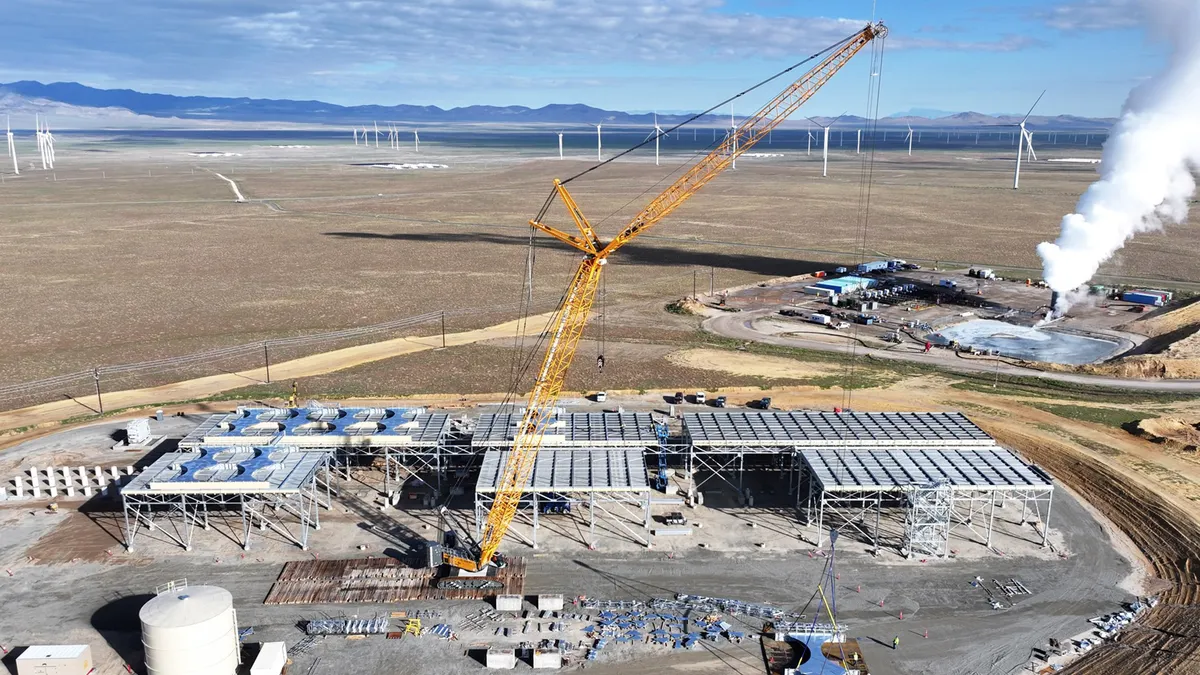
These investments include a PPA between Microsoft and Constellation Energy, which is driving the restart of Three Mile Island Unit 1, and a 115-MW PPA between Google and advanced geothermal startup Fervo Energy under a Clean Transition Tariff that Google and NV Energy proposed and got approved by the Public Utilities Commission of Nevada.
“In a lot of the partnerships that have been established around some of these technologies, it's really the tech companies that are taking on a lot of the risk,” Barua said. “And so, in addition to essentially safeguarding non-participating customers from a cost perspective, that risk is being taken on, and there's a lot built into these tariffs to really protect the rest of the ratepayers from those risks.”
Small modular reactors are increasingly drawing investments from hyperscalers looking to power future data center operations, thanks in part to their smaller footprint when compared to a traditional nuclear facility, though no SMRs are operating yet in the U.S.
The report identifies three characteristics which the authors associate with “durable” clean energy tariff designs: the allocation of “associated costs exclusively to participating customers”; the embedding of capacity value into rate structures; and “long-term revenue certainty necessary for capital-intensive, clean firm resources.”
The report authors also noted that large load tariffs and clean energy tariffs “are increasingly linked.”
“New state-mandated, large load tariffs establish minimum demand charges, collateral requirements, and long contract terms to protect ratepayers,” the report said. “Clean energy tariffs often build on these foundations, giving customers a pathway to pair load growth with new capacity, improving system economics rather than exacerbating them.”
Barua said she thinks large load customers are “looking at a broader suite of clean firm technologies than they were five years ago, just because of where we are right now, and the recognized need for more capacity. So I do think that as a result we're seeing a lot of innovative partnerships between customers and utilities.”
She pointed to Minnesota, where Google and Xcel Energy utilized the state's Clean Energy Accelerator Charge, a specialized green energy tariff, to bring online a portfolio of resources that includes solar, wind and 300 MW of long duration energy storage, “the biggest long duration energy storage system that that we've seen.”
“Again, that is a new technology, and in that arrangement, Google is taking on some of the risks of bringing that technology onto the system,” Barua said. “But we will see system benefits from it.”