
Dive Brief:
-
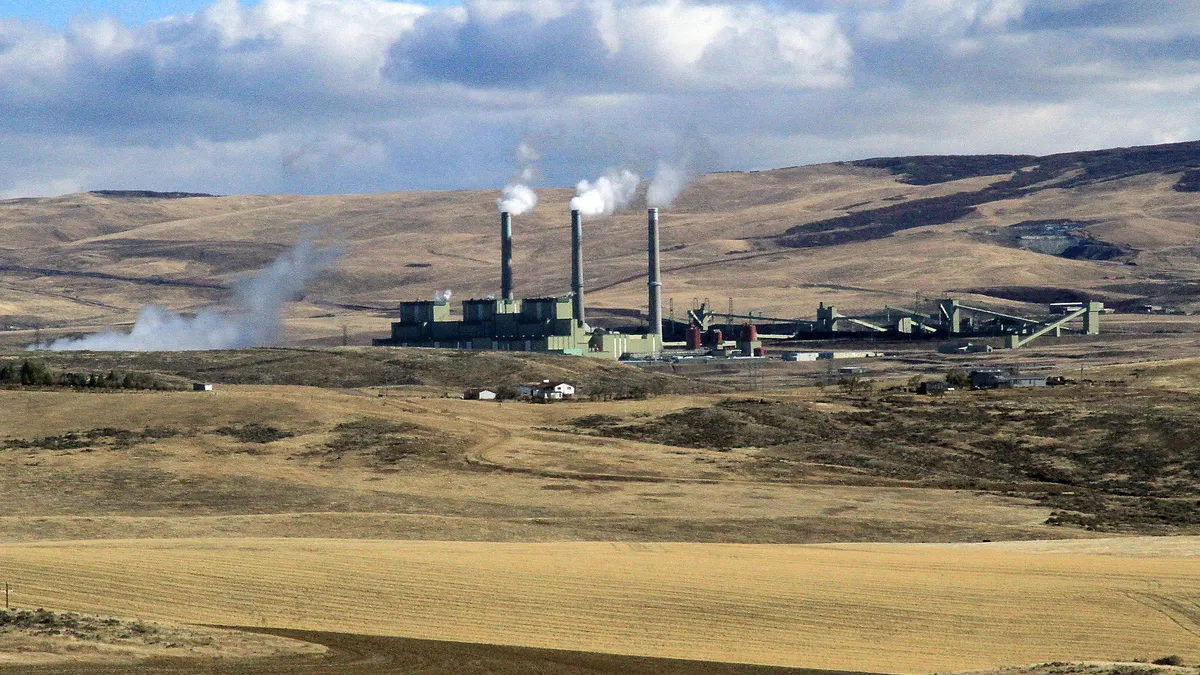
The Center for Biological Diversity and a coalition led by the Southern Environmental Law Center filed separate lawsuits this week to stop the Environmental Protection Agency from weakening standards that limit water pollution, including the release of mercury, selenium and arsenic, from coal-fired power plants.
- The EPA issued a final rule in December extending compliance deadlines for effluent limitations as much as five years, until Dec, 31, 2034, giving coal-fired plants more time to assess potential pathways “to continue producing low-cost electricity into the future while meeting wastewater standards,” the agency said in the rule summary. The agency said extending the deadline is necessary “to affordably meet the nation’s growing electricity demand, including for data centers and manufacturing.”
-
“Arsenic and mercury from coal-fired power plants can be stopped by readily available water pollution controls, but this administration wants these dirty, outdated plants to keep dumping their toxic pollution into our rivers and lakes for years to come,” Nick Torrey, senior attorney at the SELC, said in a statement. “Our communities can’t afford more cancer-causing pollution in our waterways.”
Dive Insight:
EPA Administrator Lee Zeldin announced in September that the agency planned to give coal-fired plants compliance extensions for what he called “heavy-handed regulations” the Biden administration issued in 2024 to stop wastewater discharges from coal-fired power plants, including limitations on wastewater and coal ash that can contain selenium, mercury, arsenic and nickel.
The EPA in September also requested information on “technology-based implementation challenges” related to the 2024 rule that it will use “to support a future rulemaking to support practical, feasible, on-the-ground implementation of wastewater pollution discharge limits,” it stated.
The Center for Biological Diversity’s lawsuit, filed Tuesday in the 9th Circuit Court of Appeals, seeks review of the EPA’s deadline extensions, which it published in the Federal Register on Dec. 31, 2025.
“Under the Clean Water Act, coal plants are supposed to be required to use the most modern and effective pollution control technology available before discharging toxic wastewater,” according to a Center for Biological Diversity press release. “The Trump action delays a 2024 Biden-era rule that would have brought nearly all power plants into full compliance with the Act no later than 2029 or required retirement of coal plants that could not meet the standards of the Act.”
The SELC’s lawsuit, filed in the 4th Circuit Court of Appeals on behalf of Appalachian Voices and the South Carolina Coastal Conservation League, will be part of a lottery process under the Clean Water Act to determine where all challenges to the EPA’s weakening of the rule will be heard, according to an SELC press release.
“EPA is retreating from common-sense protections at the industry’s request and putting Lowcountry communities at risk for no good reason,” Taylor Allred, state energy and climate program director at the South Carolina Coastal Conservation League, said in a statement. “It’s time to end this toxic water pollution for good.”