Dive Brief:
- New England’s most populous state can fully decarbonize peak generation by 2050 at lower cost than continuing to run fossil-fuel peaker plants, Synapse Energy Economics said in a report prepared for the Massachusetts Clean Peak Coalition.
- The Feb. 18 report found that a least-cost portfolio of clean peaking resources would feed Massachusetts’ grid with a combination of demand-side resources, energy storage and wind generation. After accounting for climate and public health impacts, such a portfolio would be less costly than continuing to use fossil peaker plants or combustion-based alternatives like hydrogen and renewable natural gas.
- Dan Dolan, president of the New England Power Generators Association, pushed back on the report’s conclusions in an email sent as the region was emerging from a weeks-long deep freeze. While clean energy will continue to play a critical role in New England, “I struggle to see [it] being sufficient in the decades ahead for events like what we just lived through,” he said.
Dive Insight:
A 2021 state law requires Massachusetts to reach net-zero emissions by 2050, which the Clean Peak Coalition said would necessitate a sea change in the state’s power sector.
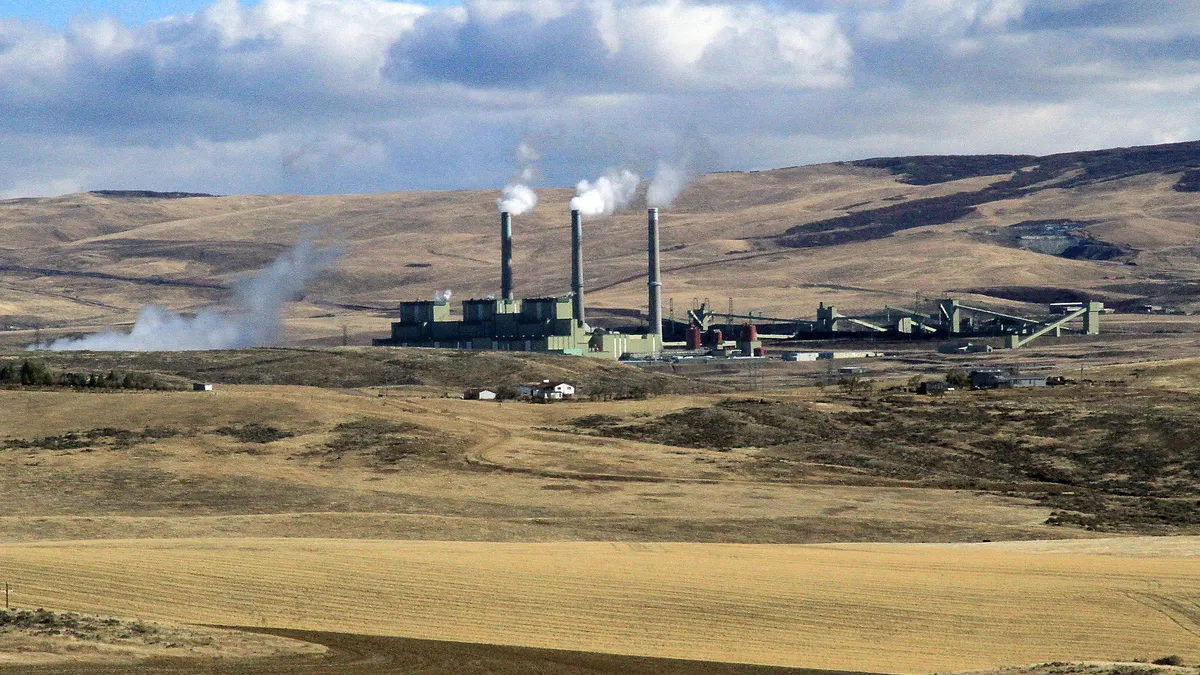
In 2023, natural gas accounted for about 84% of electricity generation in Massachusetts, followed by renewables at 15%. It has several gigawatts of generation capacity defined as “peaking” by the Clean Energy Group, a Massachusetts Clean Peak Coalition member. Some of those peaking plants — such as NSTAR Electric Company’s 386-MW Bellingham plant near Worcester — can run on higher-emitting fuel oil when natural gas supplies are scarce, typically in winter.
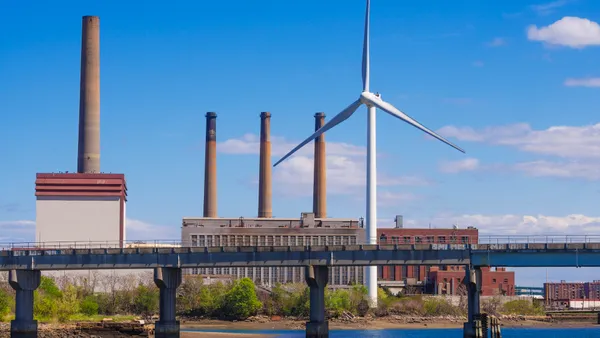
Massachusetts is adding solar, battery and some offshore wind capacity while retiring aging peaker plants. For example, the 45-MW West Springfield Generating Station, a western Massachusetts thermal power plant that burned coal, oil and natural gas throughout its 70-year life, retired in 2022 and now hosts a solar farm at its interconnection point. A utility-scale battery installation could follow as soon as next year.
But fully decarbonizing Massachusetts’ electricity system will be a challenge over the next 25 years, the coalition said. Ambitious state policy and high fuel prices are pushing residential and commercial heating customers to electrify as electric vehicles increase their share of the state automotive mix. As demand grows, Massachusetts is set to flip from a summer-peaking to winter-peaking system in the mid-2030s, a load profile that researchers say is not as well-served by intermittent solar generation.
The current design of ISO New England’s forward capacity market also hinders grid decarbonization by favoring fossil-fuel generators over renewables, batteries and demand response, the coalition said. Combined with a dispatch model that prioritizes thermal resources, the capacity framework incentivizes peaker plants not to retire.
ISO New England has broad stakeholder support for its planned shift to a “prompt” capacity auction model in June 2028 that would see it procure capacity one month ahead rather than three years. The coalition said, however, that it’s too early to say whether this shift and a broader change to the grid operator’s capacity accreditation model will benefit decarbonization efforts in Massachusetts.
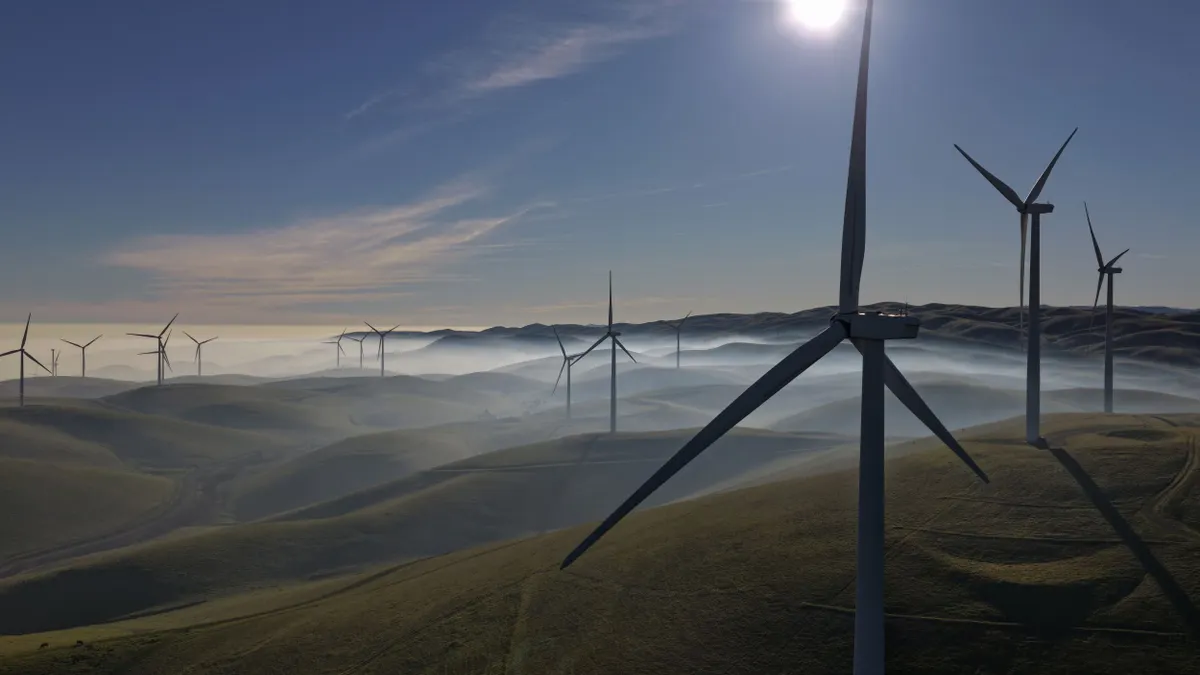
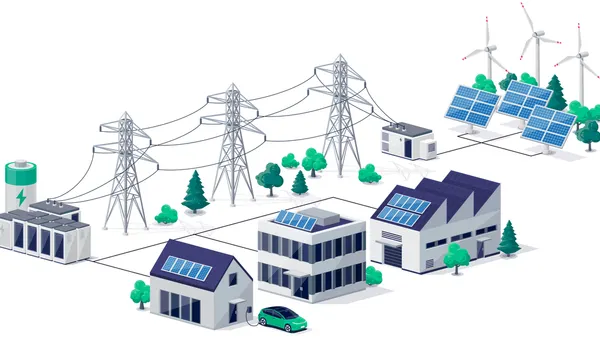
In spite of these headwinds, the coalition found that a peak generation portfolio combining 6.4 GW of onshore and offshore wind, 6.9 GW of energy storage and 4.2 GW of demand response could reliably serve winter peaks at lower cost than today’s combustion-dominated generation mix. Multiday energy storage accounts for about two-thirds of the energy storage component, reflecting the need for durable capacity to bridge long cold snaps with low renewable generation.
To cost-effectively build out this portfolio, the coalition said Massachusetts regulators and policymakers need to double down on energy efficiency and demand response incentives, prioritize commercial development of longer-duration energy storage resources, address community concerns around wind siting and account for externalities like climate and public health impacts when evaluating generation resources.
The Massachusetts Energy Transformation Advisory Board, which advises the state office responsible for energy-system decarbonization, is considering “alternatives” to fossil peakers and combined heat and power plants that account for the plants’ climate impacts.
But “with increased electrification, growing demand, and shifting of [the] peak period, peaker plant and CHP reliance could grow without mitigation,” the board warned in a presentation earlier this month.
The challenges ahead necessitate “a mode of energy addition, not retirement or replacement,” NEPGA’s Dolan said.
“New England experienced just such a situation this winter in which every bit of the diversity and flexibility of the generation fleet was needed, including rarely used oil generation capacity running nearly flat out for three weeks,” he said.