On Friday, Mitsubishi Electric reported a 20% year-over-year revenue increase in its utility-facing business segment as it prepares to launch an electrical components joint venture with fellow industrial firm ABB and acquire an energy management software provider to boost its exposure to North American wholesale power markets.
On Aug. 20, the Japanese conglomerate said it would spend $1.4 billion to buy PCI Energy Solutions. PCI supports utilities, independent power producers and other wholesale market participants in bulk power trading and settlement, generation and transmission operations, supply-demand planning and risk management, Mitsubishi Electric said.
About 60% of U.S. power generation is managed by PCI’s platform, according to Mitsubishi Electric.
The transaction, which is expected to close by the end of 2026, will help the combined company manage a North American bulk power system transformed by rising renewable energy generation, expanded use of distributed energy resources, greater power market volatility and a broad increase in electricity demand, Mitsubishi Electric said.
“These developments are increasing demand for advanced energy management and optimization solutions capable of supporting integrated forecasting, scheduling, trading, risk management, settlement and operational decision-making,” the company said.
Mitsubishi Electric’s Infrastructure segment houses most of the firm’s work for utilities and heavy power consumers. It took in 379.7 billion yen in the second quarter of the 2027 fiscal year, up from ¥316.4 billion in the second quarter of fiscal 2026, according to financial figures released Friday.
The company’s fiscal year runs from April 1 to March 31.
Both of the Infrastructure units serving utilities and large power consumers increased their revenue by double-digit percentages, with Public Utility Systems rising by 13% and Energy Systems by 18%. Together, they comprise about 70% of Infrastructure revenues, with the non-utility Defense and Space Systems unit accounting for the remainder.
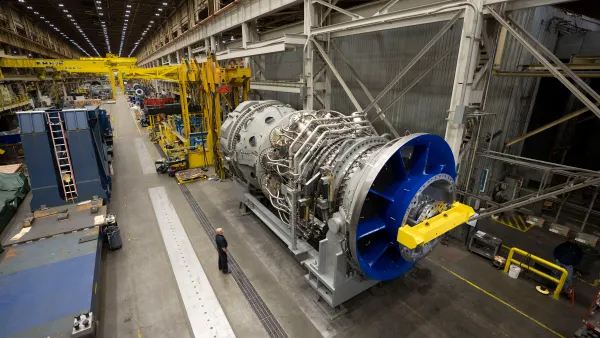
Public Utility Systems manufactures and markets water treatment controls, communications systems and power supply equipment for large utility users. Energy Systems makes and sells power plant controls, substation equipment, electric transmission and distribution components, power electronics and power supply equipment.
The Public Utility Systems unit drew strength from “large-scale projects in the uninterruptible power supply business outside Japan,” while Energy Systems “saw robust demand …. from the expanded use of renewable energy and increased investments in data centers,” Mitsubishi Electric said.
Transmission and distribution equipment orders were especially robust, the company added.
Tapping low-voltage expertise
Mitsubishi Electric’s just-announced partnership with ABB would create a jointly owned subsidiary to manufacture and distribute circuit breakers, electromagnetic switches, controls and uninterrupted power supply systems rated for 5 kilovolt-amperes or less, and to sell “certain high-voltage power distribution control equipment” and smart meters, the Japanese conglomerate said on Oct. 20.
“ABB holds a leading position in the power distribution and control field, and develops power distribution and control solutions by leveraging its technologies and global sales network developed over many years,” Mitsubishi Electric said, adding that rising electricity demand outside Japan necessitates a partner with deeper exposure to international markets.
Mitsubishi Electric expects the ABB transaction to close by October 2027.
Comparatively slow growth in North America
In the first half of its 2027 fiscal year, Mitsubishi Electric earned 45% of its revenue in its home market of Japan, according to its second-quarter earnings presentation. Most of the remainder came from China, other parts of Asia, Europe and North America, with roughly equal shares for each, according to a chart provided by the company.
North America, home of Mitsubishi Electric’s Pennsylvania-based electric power products subsidiary, is the conglomerate’s slowest-growing major overseas market so far this fiscal year, according to company figures. North American revenue is pacing about 5% ahead of the same period in fiscal 2026, compared with about 19% for Europe and 34% for China. Japanese revenue is up about 10% so far in fiscal 2027.