Dive Brief:
- New Mexico regulators on May 7 approved Southwestern Public Service Co.’s plan to add roughly 3.8 GW of new, utility-owned generation, along with associated transmission and storage resources, expanding the Xcel Energy utility’s system in eastern New Mexico.
- On a 2-1 vote, the New Mexico Public Regulation Commission approved SPS’ plan to add 2,088 MW of gas-fired generation, 1,100 MW of wind, 472 MW/1.9 GWh of storage and 189 MW of solar.
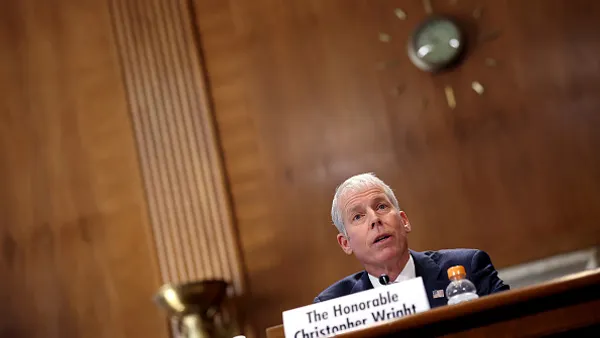
- PRC Commissioner Patrick O’Connell dissented, saying SPS’ project portfolio was based on an uncompetitive request for proposals. O’Connell also said the commission should have rejected SPS’ plan to ratebase gas-fired generation, arguing that power purchase agreements would have been more affordable for ratepayers.
Dive Insight:
SPS’ $9.38 billion infrastructure expansion package is intended to support reliability needs and renewable integration.
SPS has been navigating long-term grid expansion amid accelerating demand and decarbonization pressures, the utility said in its application at the PRC. It expects its summer peak demand will grow about 40% by 2030 to a range of 4,771 MW to 6,517 MW.
The order reflects regulators’ effort to balance the need for sufficient capacity with concerns about ratepayer exposure to large capital investments.
In addition to the new capacity resources, the commission also approved SPS’ request to delay the retirement of the 1.1-GW Tolk coal-fired power plant for three months, to March 31, 2029, when replacement resources are expected to be online.
The transmission component consists of new 345-kV interconnection infrastructure linking the projects into the regional Southwest Power Pool system. Upgrades include three new radial transmission lines ranging from about 6 to 41 miles and designed to connect the new gas, wind and solar storage resources to existing transmission nodes.
Utility planning assumptions are shifting as large industrial customers drive load growth. In its application, SPS pointed to rising demand from data centers, manufacturing development and electrification across Permian Basin oil and gas operations, including drilling, processing facilities and pipeline compression systems replacing diesel-powered equipment, as drivers of the need for additional capacity.
Federal incentives are also playing into SPS’ plans. The utility expects to recover roughly $253 million through Inflation Reduction Act investment tax credits under Section 48E. The utility’s battery projects qualify for the base 30% investment tax credit plus an additional “Energy Community” bonus credit.
SPS has taken early construction actions intended to preserve eligibility for those incentives amid new Foreign Entity of Concern restrictions affecting clean energy supply chains. According to the filing, the utility began certain off-site construction activities ahead of compliance deadlines to protect tax credit eligibility.
The projects are expected to enter service on a staggered schedule between 2028 and 2030, with construction deployments beginning this year following final regulatory approval.
“The 3.8 gigawatts of new resources will help Xcel Energy meet growing electricity demand, maintain system reliability and upgrade infrastructure as our communities continue to grow. This balanced portfolio will also support reliable service and long-term economic development across our broader service area,” Kaley Green, a spokesperson for Xcel Energy, told Utility Dive in an email.
The company added that it is still awaiting a decision from the Texas Public Utility Commission for some elements of the same portfolio located in or serving that state.
The PRC’s approval followed a review process that included competing arguments over resource adequacy, cost assumptions and procurement timing. The disagreements follow a broader trend in integrated resource planning proceedings nationwide, where regulators are increasingly being asked to approve large, multi-gigawatt portfolios amid higher interest rates and supply chain constraints.
“The RFP was issued in a risky project development environment created by federal policy change,” said Commissioner O’Connell in his dissent.
In expert witness testimony, participants debated whether the PRC’s action addresses projected capacity shortfalls in advance of forecast demand or in response to them.
Still, dissenting views may carry into future proceedings as regulators move from planning approvals to cost recovery and project execution.
SPS has a pending rate case in which it is seeking a $168 million, or 16%, revenue increase tied to a $3.9 billion retail rate base, a proposed 10.5% return on equity and a 56% equity ratio, all of which have drawn challenges from the New Mexico Department of Justice and commission staff.
The commission is expected to issue a final order setting updated customer rates in the fourth quarter of 2026.