Southern Company is betting big on load growth, raising its five-year spending plan from $76 billion to $81 billion as it races to meet growing demand, while covering its risk with minimum 15-year contracts for data centers.
The utility company is working on adding 10 GW of approved new generation, with the $81 billion capex plan “driven by substantial new growth infrastructure investments,” Southern said in its earnings call presentation. Southern serves 9 million energy customers across the Southeast.
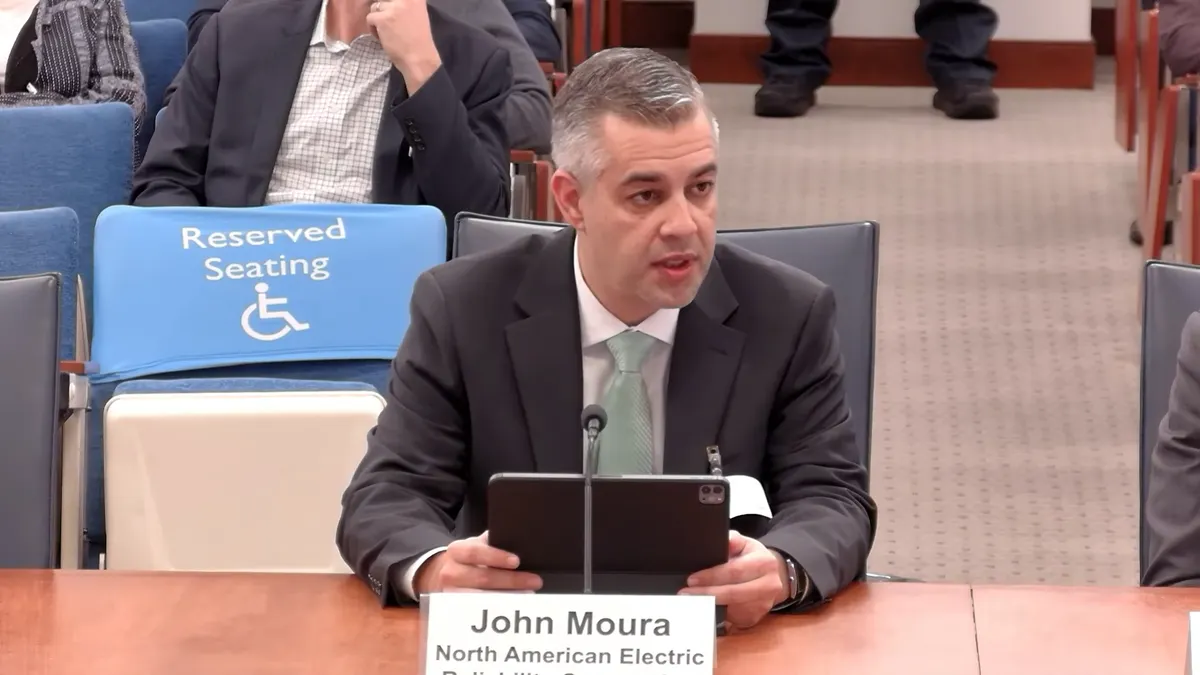
The utility company’s large load pipeline now sits at 75 GW, with 10 GW fully contracted. Southern is also “in late stage discussions for another 10 GW of load, 3 GW of which are working through final reviews and are highly likely to progress to an executed contract in the near term,” said CFO David Poroch during a fourth quarter earnings call on Thursday.
“Considering the composition and strength of our large load pipeline, we project commercial sales, which currently comprise roughly one-third of our total retail sales, to more than double — growing roughly 20% annually through the end of the decade,” Poroch said.
Southern previously proposed a $76 billion, five-year spending plan in its earnings call for the third quarter of 2025, which was a significant increase from the $48 billion spending plan the utility proposed in its earnings call for the third quarter of 2024.
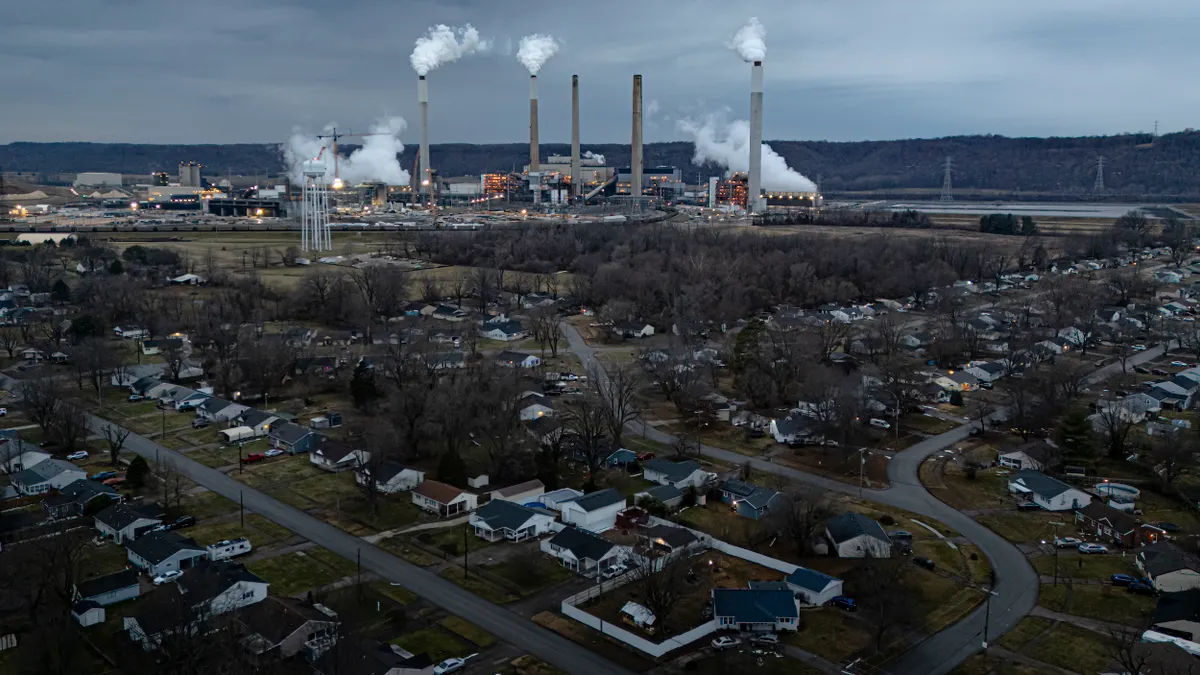
Natural gas is key to Southern's plan for meeting this growing demand. Southern is pursuing “up to 700 MW of capacity uprates on existing natural gas fleet, with availability as early as 2029,” and “evaluating new gas expansion at six brownfield sites in the Southeast,” according to the utility company’s earnings call presentation.
Southern has also “re-contracted 1 GW of gas assets since 2023,” and additionally has over $1 billion in contracted renewables under construction, and has placed in service its 200-MW phase one expansion of the Millers Branch Solar Facility in Texas, the utility company said.
“There's a lot of gas in the plan,” said Chris Womack, Southern’s chairman, president and CEO. “But you’re going to continue to see battery, energy storage, some of the uprate opportunities that we have — we're looking at all the resources in terms of how we meet this growth opportunity going forward, from an all of the above approach.”
Poroch said that Southern’s regulatory frameworks “allow for bilaterally negotiated contracts for large load customers, rather than the use of a standard tariff,” which the company thinks positions it uniquely well to protect existing customers.
In addition to 15-year minimum contracts for data centers, Southern also uses minimum bill provisions similar to take-or-pay structures, and “termination payments tied to the incremental cost to serve over the life of the remaining contract, with significant collateral requirements tied to the termination payments,” Poroch said.
Southern subsidiaries Georgia Power and Alabama Power last year secured multi-year rate stabilization agreements through 2028 and 2027 respectively, and Georgia Power has quantified around $1.7 billion in benefits that it intends to use to lower costs for existing customers from 2029 to 2031, Poroch said.
During the Q&A portion of the earnings call, Goldman Sachs analyst Carly Davenport asked about multiple pieces of legislation recently proposed in the Georgia legislature which would put a temporary moratorium on data center development in the state, or more strictly regulate it.
“Could you provide your views on how much teeth you think some of those pieces of legislation have, and if it's coming up in any of your conversations with prospective customers?” Davenport said.
“The thing that we're excited about here is that the projects continue to advance,” said Womack. “The pipeline continues to grow. We continue to bring these data centers online, continue to reach agreements with projects that we've talked about, with projects that are in final stages and late stages.”
The momentum behind data centers “will continue,” Womack said. “Yes, I think there will be continued conversations around what will be the impact on pricing. I think we have to continue to tell the story about the benefits to all existing customers because of these projects.”