The U.S. Department of Transportation and the Federal Highway Administration acted unlawfully when they abruptly froze the $5-billion National Electric Vehicle Infrastructure initiative to build publicly accessible charging infrastructure and must release obligated funds, a federal judge ruled Friday.
The federal government can’t withdraw or withhold NEVI funding for any reason not set forth in the Infrastructure Investment and Jobs Act of 2021 or applicable regulations, U.S. District Judge Tana Lin of the Western District of Washington said in her final decision.
DOT and the highway administration “yanked the NEVI Formula Program’s cord out of the outlet, calling for an instantaneous and sudden cessation of the program, at least until it could be re-started under the auspices of the new administration,” Lin said in her ruling. “Such capriciousness runs counter to the Administrative Procedure Act; it is simply not how things are lawfully done.”
The lawsuit challenging the administration’s actions was filed by 20 states and the District of Columbia, along with interest groups like the Sierra Club and the Southern Alliance for Clean Energy.
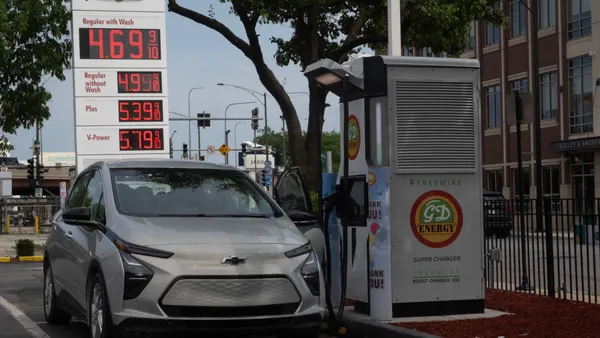
The NEVI formula program was part of the bipartisan infrastructure law signed by President Joe Biden in 2021, and was designed to help states build out charging infrastructure, especially along highways in “alternative fuel corridors.”
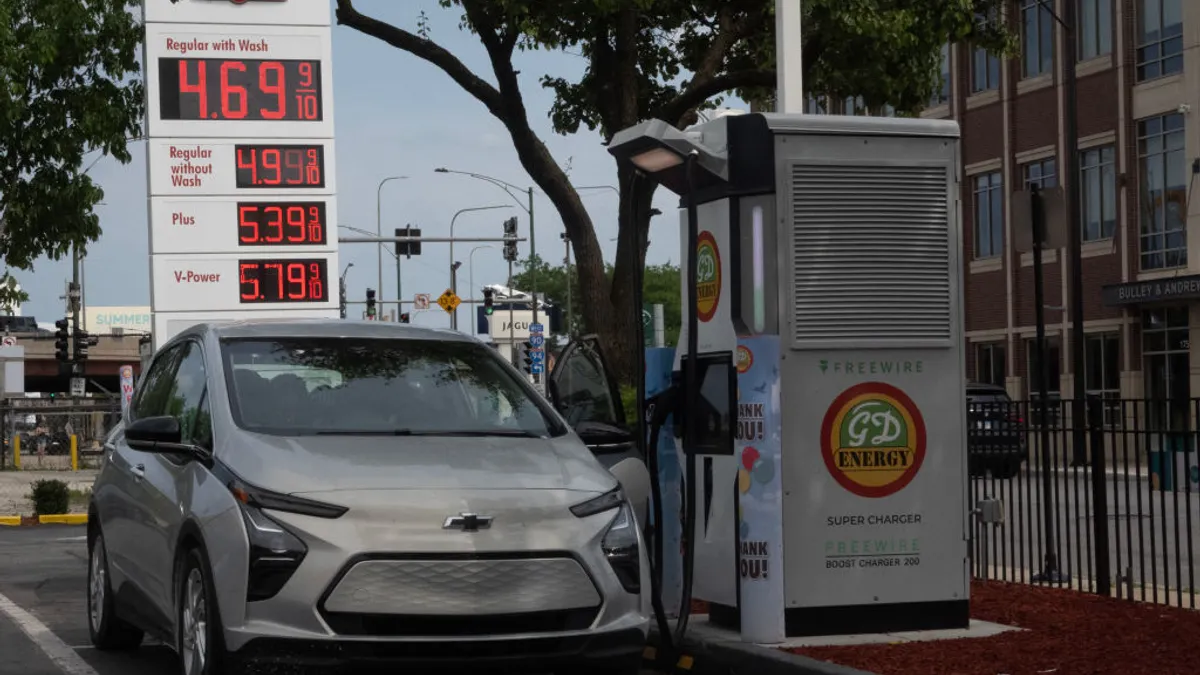
The program covers up to 80% of the cost for eligible projects. To qualify, charging stations must have at least four ports that can simultaneously deliver up to 150 kW. It also requires that each AC Level 2 port be capable of providing at least 6 kW per port simultaneously across all AC ports, “with an option to allow the customer to consent to accept a lower power level to allow power sharing or to participate in smart charge management programs.”
Chargers must be non-proprietary, allow for open-access payment methods and be publicly available.
In a Feb. 2024 brief for state public utility commissions, the National Association of Regulatory Utility Commissioners said NEVI funds can be used to cover a variety of state project costs, including upgrading existing charging stations, operation and maintenance of charging stations, small grid improvements and on-site distributed energy resource equipment related to vehicle charging.
“For years, charging station standards have been inconsistent across the country and from utility to utility,” NARUC said. “The new federal NEVI standards and requirements are the first nationwide charging standards and will lead to uniformity in charging station buildout among federally funded stations.”
States were required to submit charging infrastructure plans in order to access the funding, but many of the chargers that have been installed so far are located at private businesses such as gas stations and convenience stores.
The Trump administration paused the NEVI program last February and started a review of the program’s guidance to make it “more efficient,” then issued streamlined guidance in August after a June court ruling lifted the administration’s freeze on the funds.
“While I don’t agree with subsidizing green energy, we will respect Congress' will and make sure this program uses federal resources efficiently,” Secretary of Transporation Sean Duffy said in a release announcing the guidance.
However, the Trump administration required states that had already submitted infrastructure plans to resubmit them in accordance with the revised guidance and declined to release funds until those new plans had been approved, leaving states to foot the bill for associated projects.
In one filing, Delaware described being short $49,875 of construction funding for anapproved NEVI project and needing to divert money from elsewhere to cover incurred costs.
“The Court’s order clears the way for states to implement the NEVI plans they have worked for years to develop, and permanently bars the federal government from unlawfully withdrawing states’ funds or interfering with states’ implementation,” the Southern Alliance for Clean Energy said in a Monday release.
The Department of Transportation could not be immediately reached for comment.