Richard Yost is a principal at YSG, and former communications director at Baltimore Gas and Electric.
I spent more than a decade on Baltimore Gas and Electric’s communications team. The last few years were consumed with explaining the company’s ever-increasing bills to customers and regional leaders. After studying how the industry handles this national issue, it’s clear that most utilities are still getting it wrong.
BGE’s customers are experiencing some of the sharpest bill increases in the country because of needed infrastructure upgrades that are increasing distribution rates and spiking electricity supply costs in the PJM Interconnection region. But this isn’t unique; utilities everywhere are dealing with the same enormous capital needs, volatile supply markets and customers who are stretched thin.
Communications teams are working hard to educate customers and protect their utilities’ reputations, but many utilities are still broadcasting mass messaging when they should be having personalized conversations. The good news is the customer data available at their fingertips is an extremely underutilized resource. Usage patterns, payment history, load profiles and more could transform mass outreach strategies to timely outreach that meets people where they are with information that they need.
Five ways to bridge the gap:
Tell customers exactly why their bill is higher before they ask.
Not “infrastructure investments” or “system reliability improvements.” Those phrases mean nothing to someone fuming about their bill jumping $40 for seemingly no reason. Is it from replacing old power lines or storm restoration costs? Did electricity prices spike because of a recent auction result or did usage jump because of a cold snap? Be specific.
The data makes this real. For example, a utility knows when a cold snap forces customers to use more than they typically would. Use this information to send a proactive message breaking down exactly how much of the bill increase was weather-driven. This is a fundamentally different experience than getting surprised by a high bill and having to call an 800 number to try find out why. One builds trust while educating. The other builds resentment.
Give customers something they can actually do specific to their account.
A main driver of frustration for customers beyond just having to pay more for the same service is the feeling that it is completely out of their control. This frustration drives complaints to regulators, legislators and the media.
But every utility offers a suite of programs that provides some control over usage and billing. Increased education on energy efficiency programs, time-of-use rates, demand response, or budget billing is a must and burying them in a bill insert or hoping someone sees a web banner isn’t a strategy.
The missed opportunity is personalization. A customer running electric heat in an older home needs a completely different conversation from one who just got a new electric vehicle. The data to make that distinction exists. A mid-month alert that says “you’re on track for a higher usage than usual — here’s why, and here’s what you can do about it” gives customers a chance to adjust before the damage is done. That changes the relationship from adversarial to something closer to a partnership.
Find struggling customers before they’re in crisis mode.
Low-income customers often spend more than 8% of their income on energy, which is about three times more than a median-income household. Utilities can see when a customer starts missing partial payments or when consumption patterns suggest a household is cutting back on heat in ways that signal financial stress. That’s an early warning.
Waiting for that customer to call in desperation before connecting them with help is both bad policy and bad practice. Proactive outreach at the first sign of strain can reach people who would never have picked up the phone. This helps them and also helps to build back trust in the utility.
Explain infrastructure investments in terms customers care about.
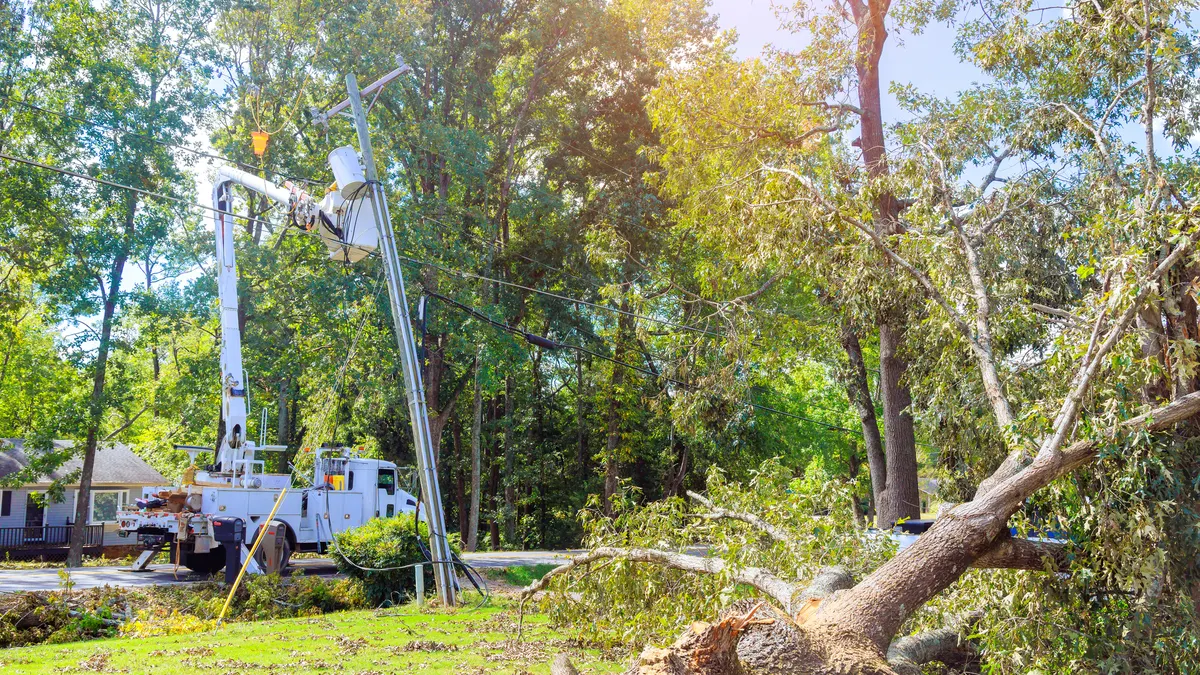
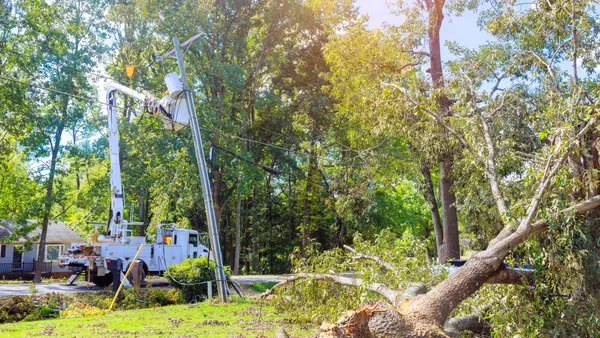
“Building the grid of the future” is irrelevant to customers worried about their monthly bill. Customers do expect reliable service, making future risk relevant. Tell them what will happen if the aging utility poles in their neighborhood aren’t replaced … more outages, longer restoration times and real economic damage.
The data helps here, too. A customer in a neighborhood that lost power for four days in the last major storm is going to hear “grid reliability investment” very differently than someone who’s never had an outage. If you know who those customers are, connect project work directly to their experience. You must be explicit with customers about the value of the work you’re doing and the more granular the project, the better. When you finish a proactive maintenance job that strengthens service in a cul-de-sac, let those customers know with a quick email.
Show empathy, don’t just speak it.
Media-trained executives who acknowledge hardship for one sentence before pivoting to justification aren’t fooling anyone. Trust is built through behavior like kind words from a customer service rep that are backed by the ability to solve problems, outreach that leads with the customer’s experience and leaders who approach affordability as an issue that needs to be addressed by all parties.
Done right, the data strategy is itself an act of empathy. There is something fundamentally different about a utility that reaches out to say “we noticed your bill is higher and wanted to explain why” versus one that waits for an angry call. The first treats a customer like a person. The second treats them like an account number. Customers know the difference and they remember it.
The information and tools are there. Use them!
The affordability problem isn’t going anywhere. Aging infrastructure needs to be upgraded, supply cost volatility is structural and customer patience is running out. But utilities have never had better tools to communicate well with their customers. The ability to reach the right customer with the right message at the right moment — before they’re too far gone and prone to call someone influential — has never been more within reach.
Most utilities haven’t been strategic about marrying their data with their outreach. But the ones that do will lower the temperature for their next rate case, in their statehouses and in the court of public opinion.