Tapas Peshin is senior product manager at PCI Energy Solutions.
The North American Electric Reliability Corp.’s latest Long‑Term Reliability Assessment makes one point clear: the North American grid is moving deeper into an era of structural reliability risk.
Demand is growing faster than firm resources and transmission. Retirements are outpacing additions of dispatchable capacity. And the system is becoming more dependent on inverter‑based and weather‑dependent resources. Out of the 23 assessment areas in the report, 13 now face elevated or high reliability risk in the coming decade.
Those numbers matter, of course. But they also hide something else emerging beneath the surface: The most acute reliability risks today come not from a shortage of installed megawatts, but from the widening gap between how we model reliability and how the grid actually performs under operational stress.
Traditional resource adequacy frameworks are built around seasonal or annual peaks. But the grid’s actual vulnerabilities now emerge in fast‑moving operational intervals — ramp hours, extreme weather, fuel constraints, reserve shortages and mismatches between market incentives and operational needs.
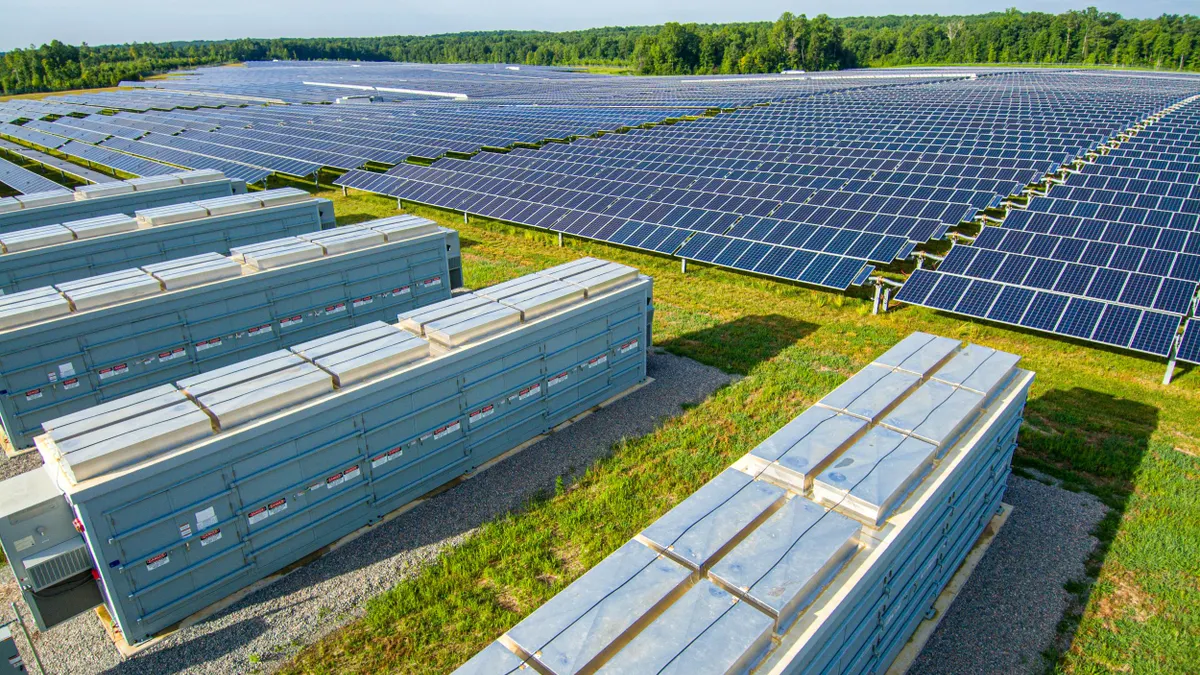
Battery storage illustrates this perfectly. Planning models often treat storage as static capacity, but its reliability contribution varies from hour to hour, depending on charging opportunities, market rules and reserve commitments. It’s tempting to treat battery storage as just “another MW,” but doing so can seriously overstate its contribution in multi‑day or forecast‑error events.
Meanwhile, large flexible loads like data centers, crypto facilities and electrified industry do not respond to planning assumptions but to market prices and operational conditions. Their behavior can either support the grid or amplify stress.
And if you want to see that shift play out in real time, the Electric Reliability Council of Texas’ last five years tell the story.
ERCOT’s five‑year case study: from Uri to Elliott to Fern
Winter Storm Uri in 2021 remains the defining reliability failure of the modern ERCOT grid. The event brought widespread subfreezing temperatures, massive generator outages across all fuel types, severe natural gas constraints, record outages exceeding 50 GW and over 20,000 MW of load shed.
ERCOT lost 48.6% of installed capacity at the peak of the crisis and entered Energy Emergency Alert Level 3 (EEA3) for the first time in a decade. Transmission owners could not rotate outages due to the magnitude of unavailability. Weatherization standards were minimal, oversight was limited and fuel‑electric coordination was almost nonexistent. Uri’s legacy was a grid that learned, painfully, that traditional assumptions about thermal reliability, fuel deliverability and weather performance were wrong.
One year later, ERCOT faced another test with Winter Storm Elliott in December 2022. Demand hit a winter record of 74,100 MW, yet ERCOT maintained comfortable reserves, with Physical Responsible Capability never falling below 4,052 MW — well above emergency thresholds.
Outages were dramatically lower: only four weather‑related issues among 255 units inspected. Weatherization reforms mattered. So did improved coordination with gas supply through Firm Fuel Supply Service (FFSS), which ensured 48 hours of on‑site fuel for participants.
Elliott also offered a preview of a future where batteries become essential for stability. During peak hours, storage provided up to 88% of Regulation Up and roughly 45–55% of Responsive Reserve Service, demonstrating that energy‑limited but fast‑responding resources can be critical during ramping stress.
Winter Storm Elliott did show ERCOT’s forecasting challenges where the grid operator’s load model underpredicted demand due to a software issue. The lesson was clear: Operational reliability depends on precise, real‑time information just as much as on fleet performance.
By the time Winter Storm Fern arrived in January 2026, ERCOT showed what a modernized grid can look like under pressure. Despite extreme cold, the system experienced no systemwide outages, no Energy Emergency Alerts and no conservation appeals. ERCOT’s grid had reformed with multiple policy changes and design upgrades:
- Mandatory weatherization and more than 450 inspections.
- Higher reserve levels ready earlier in the day.
- Improved operational flexibility, allowing ERCOT to bring generation online sooner.
- Better cross‑agency coordination with the Public Utility Commission of Texas, the Texas Division of Emergency Management, the Texas Energy Reliability Council and the Texas Commission on Environmental Quality.
- Engagement with large customers (data centers, crypto) to align expectations before the event.
The most transformative was the market design change with the implementation of Real‑Time Co‑optimization Plus Batteries (RTC+B) in December 2025, which was created to better align reserves, energy needs and battery dispatch. This reform optimized how batteries charge, discharge and provide reserves during scarcity.
Unlike Uri and Elliott, Fern showed that the integration of flexible resources paired with improved weatherization and better market structures can materially reduce risk during extreme weather.
What ERCOT’s evolution teaches us about reliability
- Extreme weather is increasingly looking like the new baseline rather than a tail event. Uri was once considered a black swan event. Elliott and Fern show that multi‑day, extreme cold events are now common. As NERC recommends in the report, planning tools must shift from peak-based adequacy to all‑hours probability and extreme‑condition energy risk.
- Weatherization and operational discipline work. The dramatic improvement in generator performance from Uri to Fern underscores that institutional reforms matter. Mandatory inspections, fuel‑supply programs and operational rigor can prevent catastrophic outcomes.
- Batteries are becoming reliability assets when tied to the right market design. Storage supported ancillary services during Elliott and became even more effectively integrated by the time Fern arrived. Batteries provide reliability value only when markets correctly signal flexibility, availability and duration. RTC+B is a step forward, but broader valuation of multi‑hour capability and performance under stress is still needed.
- Fuel supply is a hidden reliability variable. Gas supply failures during Uri remain the largest unaddressed systemic risk in ERCOT. FFSS helped during Elliott, but a market‑wide, year‑round fuel assurance mechanism is still absent. As thermal units retire, the grid becomes more dependent on fewer gas units and therefore more exposed to upstream failures.
- Transmission remains the missing ingredient. Transmission lags continue to hinder geographic diversity and limit interregional support, problems NERC repeatedly highlighted in the report. Until siting and permitting accelerate, market reforms alone cannot fully compensate.
The real reliability challenge: aligning planning, markets and operations
ERCOT’s reliability crises did not stem solely from a lack of capacity, but from misalignment between planning assumptions, market design and real‑time operational realities: Planning models did not anticipate multi‑day fuel disruptions; markets did not reward flexibility or availability under extreme stress; and operations lacked the weatherization and coordination needed for resilience.
In the five years between Uri and Fern, ERCOT gradually began closing those gaps. Reliability improved not because of more megawatts, but because market design, operational behavior and planning assumptions shifted closer to alignment.
The path forward
The next decade brings accelerating loads, retiring thermal units and slow transmission development. Those challenges will not disappear. But ERCOT’s progression across three major storms shows that:
- Reforms can work.
- Markets influence reliability.
- Operational readiness saves megawatts more reliably than planning models can predict.
The question now is whether regulators and system operators across North America will absorb the lesson: Reliability isn’t about counting megawatts. It’s about valuing the right attributes: flexibility, deliverability, duration, weather performance and real‑time responsiveness. As the grid transforms, aligning planning, markets and operations will determine whether regions follow ERCOT’s path from Uri to Fern or repeat Uri instead.