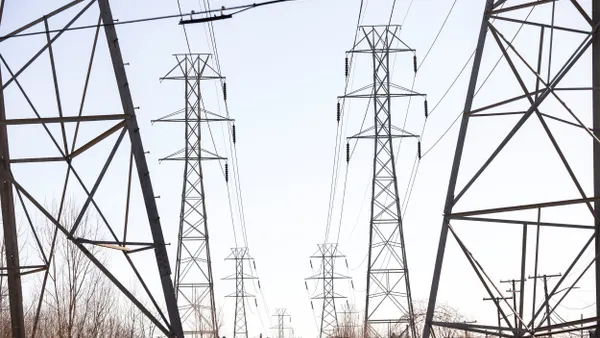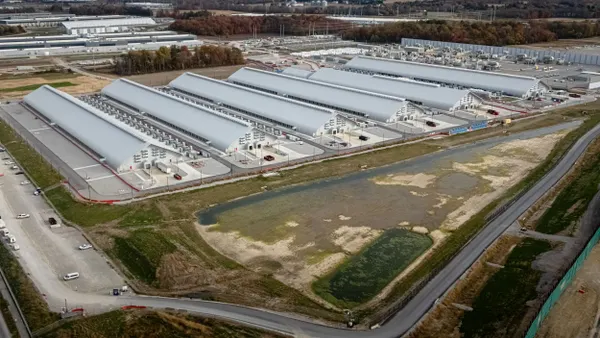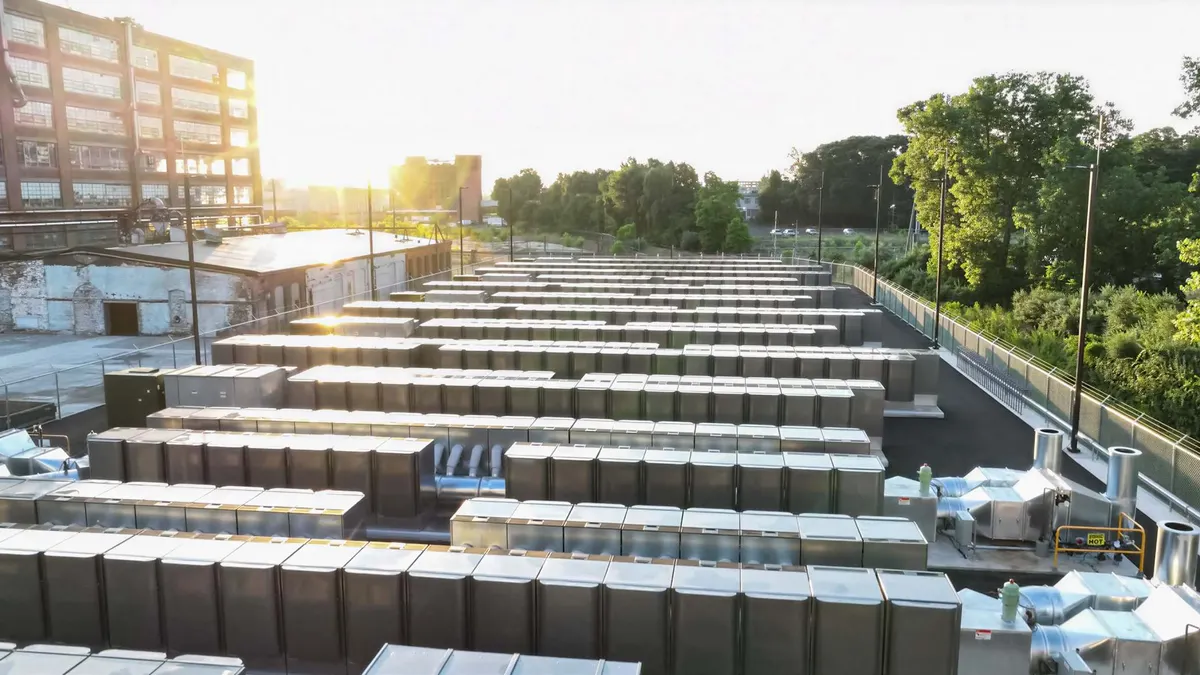

Data centers and AI infrastructure are intensifying the strain on existing power grids across the U.S.
Large-load facilities are built quickly, only to face years-long waits for grid interconnection and new generation capacity, such as gas turbines. Behind-the-meter (BTM) power is becoming an effective solution to bridge the gap between what the grid can provide and what data centers need to operate smoothly.
Utilities and large-scale customers alike are embracing BTM power: 80 percent of utilities view BTM power generation as permanent infrastructure and expect it to serve a significant share of large-load demand by 2030, according to Bloom Energy’s 2026 Utilities Insights Report. Nearly two-thirds of data center developers cite onsite power as their primary response when grid timelines slip. “BTM addresses a major issue, which is avoiding increases in grid retail prices,” says Nik Nunes, Chief Executive Officer at Industrial Development Funding (IDF), a top investment partner of Bloom Energy. “For that reason, several governors have come out in support of it.”
Key considerations for successful BTM power generation
BTM power isn’t always a simple fix. It involves complications related to regulatory requirements, power storage and permitting. Yet, when used in tandem with local utilities in front of meter power resources, it can provide an effective bridge for bringing large-scale customers online faster, helping them bypass lengthy wait times for a grid connection. BTM can also be affordable over the long term relative to other power sources.
To launch a successful BTM power effort, data center developers must address growing public concerns about noise, water usage and emissions. In many jurisdictions, permitting has become a challenge, and BTM power projects are often delayed. To simplify air permitting, it’s helpful for BTM solutions to produce few or no combustion-related emissions. Bloom Energy fuel cells run on natural gas today and are fuel-flexible—they can also operate on biogas, hydrogen or blends. They generate energy without combustion, cutting criteria pollutants like NOx and SOx to near zero. Other factors that can simplify permitting include minimal water use, low noise and a small footprint. “Prioritizing these needs can ease local zoning and community concerns,” Nunes says.
Utility coordination is another complication for developers. Depending on the data center’s location, developers must align with local interconnection and compliance requirements to ensure safety and regulatory compliance. To streamline permitting, large-scale utility customers should look for a BTM power solution that adheres to local regulations.
BTM power generation is here to stay
BTM power systems emerged to solve a problem: the power gap between the average time to construct a data center (18–24 months) and the average time to achieve a new grid interconnection (4–7 years). Large-load customers could wait years for a grid connection, making BTM power a much-needed bridge.
But BTM power is more than a stopgap solution. Today’s utility leaders see BTM power generation as a permanent fixture in the modern grid. Many developers do not plan to shut down BTM power operations immediately upon achieving grid interconnection. Instead, they intend to continue operating in tandem with the grid. “Utilities are considering BTM as a permanent solution to supplement the grid, given extended equipment lead times, interconnection queues and the expectation of continued energy demand growth,” says Nunes. “BTM is shifting from a backup role to a primary power strategy.”
BTM power deployments, such as microgrids with low-emissions fuel cells, can provide essential power to data centers and manufacturers and support the wider grid through interconnection. Bloom Energy’s modular framework facilitates the redeployment of fuel cells when they are needed elsewhere. According to the 2026 Utilities Insights Report, 36% of utility leaders see distributed power as a vital supplement for peak shaving and grid backup.
BTM as part of a long-term growth strategy
As large-scale energy users build out onsite power generation, utilities should consider how BTM power fits into a long-term growth strategy. With rising demand, utilities are taking steps toward flexible energy architectures that integrate onsite power generation into the wider grid.
Both regulated and unregulated utilities are exploring the possibilities of utility-owned BTM assets to create fresh revenue streams. Such BTM power systems can serve as a much-needed capacity reserve to support large customers and the grid itself during peak-load periods.
For example, a large investor-owned utility in the Midwest recently faced mounting demand from two data center operators that needed more capacity than the utility could deliver. To meet this need, the utility presented a plan to install solid oxide fuel cells at both sites, which the state regulator approved. The data center customers covered the full project cost through long-term agreements that protect ratepayers, and the utility now owns and operates the fuel cells. “Ultimately, the project gave the customers speed to power while the utility continued its long-term grid investments,” says Nunes.
Nunes stresses the importance of preserving long-term flexibility by designing a BTM installation that can change roles over its lifetime rather than being removed once it’s no longer the primary power source. Choosing modular, scalable technology helps utilities maintain flexibility. “Capacity should be addable, movable or able to retire in increments consistent with needed power, such as Bloom Energy’s fuel cells,” he explains. “It’s also helpful to bring regulators in early, as an approval framework built for the first project makes the next one quicker.”
Tolling agreements and co-development partnerships also offer utilities a chance to participate in the growth of BTM power. With a tolling agreement, utilities can generate recurring revenue by contracting with customers to provide power from utility-owned BTM power facilities. Co-development partnerships allow utilities to partner directly with developers to design, finance and build power projects. Both types of arrangement allow utilities to invest in BTM power and incorporate it into their ongoing operations. The contract should define who owns the asset. In the case of Bloom Energy, its investment partners, such as IDF, can provide a cost-effective lease solution that allows the utility to acquire the asset after a specified period.
Utilities continue to explore how BTM solutions can bridge grid constraints today while moving toward a more flexible future grid. “Utility leaders should consider planning a hybrid grid,” Nunes says. Large-load customers such as hyperscalers and neoclouds will increasingly rely on both grid power and onsite generation, a shift that should be reflected in integrated resource plans and load forecasts. “Requiring large customers to carry the cost and risk of their incremental capacity will help protect ratepayers. Given the long backlog of large-capacity turbines, utilities should partner with technology providers to secure early access to manufacturing slots.”
With the ability to support large-scale loads with minimal emissions, Bloom Energy’s fuel cells can support BTM power projects for utilities and customers. To learn more, contact Bloom Energy.